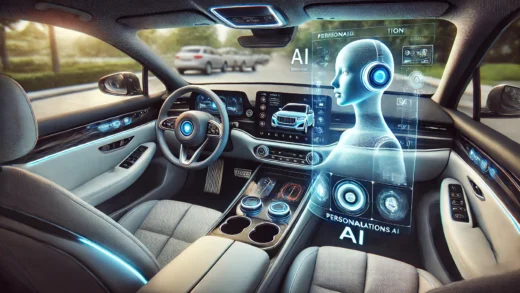
The vehicle cockpit in 2026 is no longer just a dashboard with digital screens. It is evolving into an intelligent environment that understands drivers through multiple signals at once. In the US and European markets, customers expect their cars to feel as seamless as their smartphones, yet far safer. Automakers are responding with multimodal cabin systems that combine voice, vision, and contextual data into a unified experience. The goal is simple: reduce friction, reduce distraction, and increase confidence behind the wheel.

This shift reflects a broader move toward software-defined vehicles. Hardware still matters, but the real differentiation now lies in how intelligently systems interact with humans. A next-generation cockpit must interpret intent, not just commands. That requires more than a microphone or touchscreen. It requires a system that sees, listens, and understands context simultaneously.
Beyond Touchscreens and Basic Voice
For years, automakers expanded screen sizes and improved voice recognition. Yet single-mode interfaces often create friction. Touchscreens demand visual attention, and voice assistants sometimes misinterpret unclear commands. Drivers frequently switch between modes, which increases cognitive load and interrupts focus.
Multimodal cabins address this by merging input streams. When a driver speaks, the system also considers where they are looking, what the vehicle is doing, and who is sitting in the cabin. Instead of treating voice, touch, and gesture as separate systems, the interface blends them into one coherent layer. This integration reduces misunderstandings and creates smoother interactions that feel natural rather than mechanical.
Vision Systems That Add Awareness
Interior vision systems are becoming central to cockpit intelligence. Cameras and sensors monitor gaze direction, head position, and posture to understand driver attention. In both US highways and dense European city traffic, attention monitoring plays a growing role in safety strategies. The system can detect when a driver looks away for too long or appears fatigued.
This visual awareness enhances interaction quality. If the driver is focused on merging into traffic, the system keeps responses short and audio-based. If the vehicle is stationary, it may display richer visual information. Vision input also enables gesture recognition, allowing drivers to confirm selections with simple movements. The result is less need for physical contact with screens, which supports safer driving behavior.
Voice That Feels Context-Aware
Voice interaction remains a key pillar of the next-generation cockpit. However, the difference in 2026 is context intelligence. Instead of responding to isolated phrases, the system interprets speech within the driving situation. If a driver says, “Take me to my usual coffee place,” the AI cross-references past behavior, time of day, and current route.
In US suburban commutes or European cross-border drives, context-aware voice systems reduce repetitive clarification. They anticipate likely intent while still confirming when ambiguity exists. Responses are concise and adaptive, especially during high-speed or complex driving conditions. This ensures voice remains a convenience rather than a distraction.
Cabin Context as the Missing Layer
Multimodal intelligence goes beyond voice and vision by incorporating full cabin context. This includes seat occupancy, passenger profiles, climate conditions, and even ambient lighting. When the vehicle recognizes which driver profile is active, it can automatically adjust settings and personalize recommendations. If passengers are present, entertainment and navigation prompts can adapt accordingly.
Context also includes environmental data such as traffic density and weather. If heavy rain is detected, the system may proactively suggest safer routing or increase alert sensitivity. In markets like Germany or California, where advanced driver-assistance systems are widely adopted, this contextual integration strengthens both comfort and safety. The cockpit becomes a responsive environment rather than a reactive machine.
Safety at the Core of Multimodal Design
Safety is the primary driver behind multimodal cockpit innovation. Regulators in both the EU and US continue to focus on minimizing distraction and improving human-machine interaction standards. Multimodal systems align with these priorities by reducing the need for visual and manual input. Instead of requiring drivers to navigate layered menus, the system simplifies tasks through adaptive communication.
For example, when the vehicle detects complex traffic conditions, it can delay non-essential notifications. When fatigue indicators appear, it may offer gentle reminders or suggest rest stops. This dynamic adjustment ensures the technology supports the driving task rather than competing with it. By combining sensory data with AI reasoning, the cockpit becomes an active partner in maintaining focus.
Privacy and Trust in the Connected Cabin
With increased cabin sensing comes heightened responsibility around privacy. Consumers in both North America and Europe are increasingly aware of how data is collected and used. Successful multimodal systems process most sensory data locally within the vehicle rather than transmitting raw information externally. Transparency around data usage builds confidence and strengthens brand trust.
Clear user controls are equally important. Drivers should be able to manage profiles, opt into personalization features, and understand what information is stored. When privacy is respected, multimodal intelligence feels empowering rather than intrusive. Trust becomes a competitive advantage in a crowded technology landscape.
The Road to 2026 and Beyond
By 2026, the most advanced vehicles will no longer rely on single-mode interaction. The future cockpit will blend voice, vision, and contextual awareness into a seamless layer of intelligence. Drivers in the US and EU will expect systems that anticipate needs without overwhelming attention. The shift is not about adding more screens or louder voice assistants, but about creating harmony between human behavior and machine response.
Multimodal cabins represent the next chapter in automotive UX. They transform vehicles into adaptive, attentive environments that prioritize safety and personalization equally. As digital experiences become central to mobility, the winners will be brands that design cockpits not just to respond, but to truly understand.