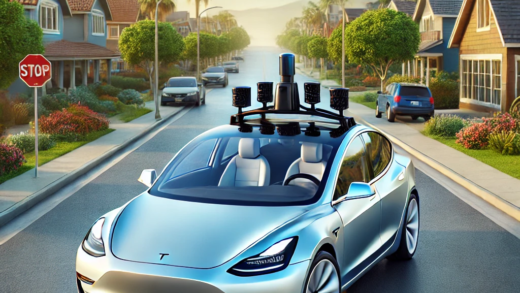
The global shift toward software-defined vehicles is accelerating, and nowhere is this more evident than in the U.S. and European markets. Automakers are transitioning from traditional mechanical engineering to digital platforms built around centralized computing, over-the-air updates and integrated software ecosystems. Among the companies leading this transformation are Tesla, Volkswagen, Toyota, Mercedes-Benz and General Motors. Each is taking a unique path toward building a software-first future, but all share one goal: to create vehicles that improve continuously long after they leave the factory.

The Rise of the Software-Defined Vehicle
A software-defined vehicle (SDV) uses a central computer and a unified software architecture to control key functions. Instead of relying on dozens of separate control units, SDVs centralize operations, enabling faster development, more efficient updates and seamless integration of new features. This foundation supports premium connectivity, automated driving capabilities, advanced user interfaces and long-term upgradability.
In both the U.S. and Europe, this shift is transforming how automakers design vehicles, how consumers experience them and how mobility services are evolving. The competition among top automakers to build robust SDV platforms is now one of the defining battles in the auto industry.
Tesla: The Benchmark for Software Integration
Tesla remains the clearest example of a software-first automaker. Its vehicles are known for receiving frequent over-the-air updates that modify everything from safety systems to entertainment features. Tesla’s vertically integrated approach—where the company designs its own operating software, hardware and user interface—gives it unmatched agility.
In the U.S., Tesla’s platform sets consumer expectations for what a connected, updateable vehicle should offer. In Europe, where regulations around data and autonomy are stricter, Tesla has still carved a strong position due to its mature software architecture and consistent update cycle. For the SDV race, Tesla continues to be the one others measure themselves against.
Volkswagen Group: Building a Unified Software Empire
Volkswagen is pursuing one of the most ambitious strategies in the SDV landscape. Rather than applying software changes model by model, VW is building a unified software platform that will eventually serve multiple brands, including Audi, Porsche, Škoda and VW.
The vision is centered on developing a shared digital backbone capable of supporting automated driving, advanced infotainment and connected services across millions of units. In Europe, this is particularly significant due to VW’s massive footprint and broad customer base.
While the transition has been challenging, Volkswagen’s scale positions it well to become a dominant SDV force in both Europe and the United States, especially as more models adopt its next-generation software and vehicle architecture.
Toyota: A New Digital Direction for a Global Giant
Toyota has long been known for reliability and engineering precision, but in the SDV era it is moving aggressively into software. The company is shifting toward centralized computing and introducing its own operating system designs to support smarter, upgradeable vehicles.
For U.S. and European markets, Toyota’s massive global presence means its SDV strategy has far-reaching implications. As Toyota integrates more software-driven features across its lineup—including hybrid and electric models—it is setting the stage for scalability at a level few automakers can match.
Toyota’s approach is methodical, but its transition into a full SDV ecosystem is becoming more apparent with each new platform launch.
Mercedes-Benz: Luxury Meets Digital Intelligence
Mercedes-Benz is pairing premium craftsmanship with a strong push into software-defined vehicle platforms. The company is developing a comprehensive operating system to control everything from vehicle diagnostics to automated driving and entertainment.
In Europe, Mercedes stands out for its commitment to long-term software support and integration of high-end digital experiences. In the U.S., the luxury segment often adopts new technology earlier, making Mercedes’ SDV evolution a strategic advantage.
Its goal is clear: deliver a premium software environment that complements its reputation for luxury, creating vehicles that feel refined not only in physical design but also in digital capability.
General Motors: Reinventing the American Platform
GM is taking bold steps to compete head-to-head with software-centric brands. Its next-generation vehicle architectures are built around central computing units and unified software layers designed for frequent remote updates.
For the U.S. market, GM’s transformation signals that traditional automakers are committed to catching up with newer digital leaders. Its scale, manufacturing capability and strong dealership network provide a solid foundation for rolling out SDV features in high volumes.
GM is also integrating software into its broader mobility strategy, linking SDV development with electric vehicle platforms and connected services, creating a more cohesive ecosystem for drivers.
What This Competition Means for Drivers?
For U.S. and European consumers, the SDV competition means vehicles will evolve more with software than with mechanical upgrades. This shift brings numerous benefits: longer feature life, improved safety over time, customizable driving experiences and access to digital services that can be added or removed based on preference.
It also means automakers are investing heavily in platforms that ensure long-term compatibility and consistent performance. The result will be a market where the depth of an automaker’s software ecosystem becomes just as important as engine performance or battery range.
The Road Ahead
As Tesla, VW, Toyota, Mercedes and GM continue refining their SDV platforms, the global automotive landscape is entering a new era. Cars are becoming dynamic, upgradeable digital products rather than fixed machines. The companies leading this shift are not only redefining transportation but also setting expectations for what modern mobility should feel like.
For buyers, this means the next generation of vehicles will be smarter, safer and more adaptable—powered not just by hardware but by the strength of the software platform behind them.