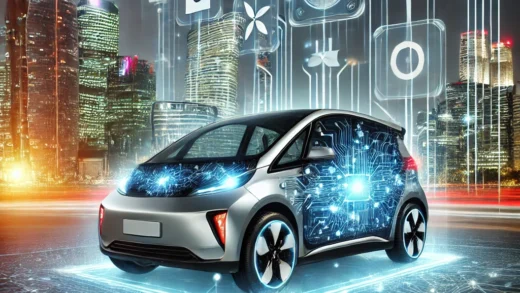
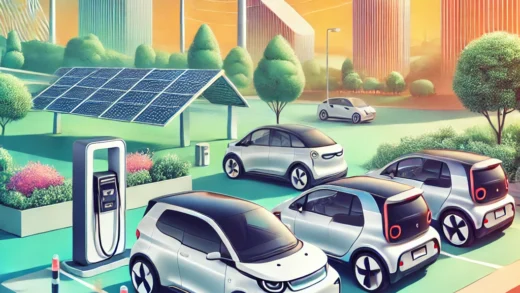
India is fast becoming a global hub for electric vehicle (EV) manufacturing, and recent expansions in government incentives are solidifying its position on the global EV map. With a sharp focus on sustainability, job creation, and reducing dependency on fossil fuels, the Indian government has introduced significant measures to accelerate the growth of the EV sector. These incentives are aimed at both boosting local manufacturing and making EVs more accessible to consumers.
If you’re curious about what these developments mean for India’s automotive landscape and the future of electric mobility, here’s everything you need to know.
Strengthening the EV Manufacturing Ecosystem
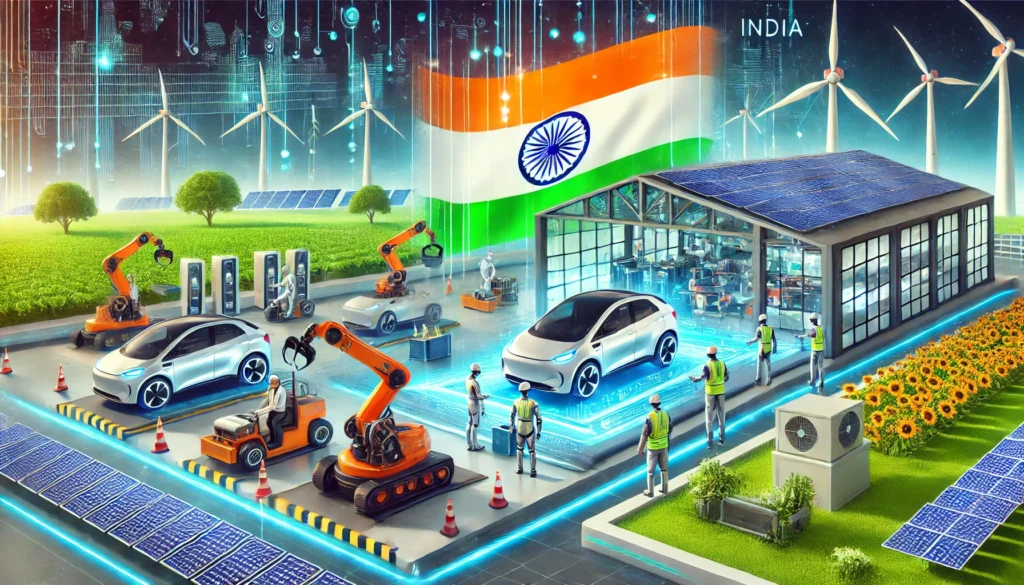
The Indian government has been steadily increasing its support for the EV industry through policies that encourage domestic manufacturing. At the heart of this expansion lies the Production Linked Incentive (PLI) scheme for the automobile and auto components sector, which now places a stronger emphasis on EV production. This scheme provides financial incentives to manufacturers who meet production targets, making it a win-win for both the industry and the economy.
The Faster Adoption and Manufacturing of Hybrid and Electric Vehicles (FAME) scheme has also been instrumental in driving the EV revolution. By extending subsidies for electric two-wheelers, three-wheelers, and passenger vehicles, the government has not only supported consumers but also encouraged automakers to invest heavily in EV production facilities.
In addition to financial incentives, the focus on creating EV-friendly policies, such as reduced Goods and Services Tax (GST) rates and exemption from road taxes in many states, has further enhanced the appeal of electric vehicles. These measures aim to strengthen India’s EV manufacturing ecosystem, attract global investors, and reduce the cost of EV ownership for end-users.
Encouraging Battery Manufacturing and R&D
One of the key challenges in EV manufacturing is the high cost and limited domestic production of batteries. To address this, the government has introduced specific incentives for Advanced Chemistry Cell (ACC) battery manufacturing under the PLI scheme. These incentives are designed to promote local production of high-performance batteries, reducing reliance on imports and making EVs more affordable in the long term.
Investments in research and development (R&D) are also being encouraged, with government support extended to startups and established players working on cutting-edge EV technologies. From exploring innovative battery chemistries to developing more efficient electric drivetrains, India’s growing focus on R&D is paving the way for the country to become a global leader in EV innovation.
Benefits for Automakers and Job Creation
The expansion of EV manufacturing incentives directly benefits automakers operating in India. Several domestic and international companies are ramping up their investments in local production, creating new assembly lines and expanding their EV portfolios. From homegrown giants like Tata Motors and Mahindra to international brands such as Hyundai and MG Motor, the industry is witnessing a surge in EV-focused strategies.
This expansion is not just about vehicles; it’s also about building an ecosystem. Companies manufacturing EV components, such as motors, controllers, and chargers, are set to benefit significantly from these incentives. The growing EV manufacturing sector is expected to generate thousands of new jobs, from factory roles to high-tech engineering positions. As more automakers and suppliers establish their presence in India, the ripple effect on employment and economic growth will be substantial.
State-Level Support for EV Manufacturing
In addition to central government incentives, individual states in India are playing an active role in boosting EV manufacturing. States like Maharashtra, Tamil Nadu, Gujarat, and Karnataka have rolled out EV-specific policies, offering benefits such as land subsidies, tax exemptions, and relaxed environmental regulations for setting up manufacturing plants.
For instance, Tamil Nadu, already a major hub for the automotive industry, has introduced policies that provide financial support to companies establishing EV factories and battery plants. Similarly, Gujarat’s EV policy focuses on creating infrastructure for charging stations while supporting local EV and battery manufacturers.
This combined approach of central and state-level incentives ensures that India’s EV sector is not only competitive but also geographically diversified, with manufacturing hubs spread across the country.
A Greener, More Affordable Future for Consumers
The ultimate goal of expanding EV manufacturing incentives is to make electric vehicles more accessible and appealing to Indian consumers. By increasing local production, the cost of EVs is expected to drop, bringing them closer to price parity with traditional internal combustion engine vehicles. Subsidies under schemes like FAME and reduced taxes further bridge this gap, making it easier for consumers to embrace electric mobility.
Additionally, the government is encouraging the development of charging infrastructure to address range anxiety, a major concern among potential EV buyers. From setting up fast-charging corridors along highways to offering subsidies for home charging installations, these efforts aim to create a seamless EV ownership experience.
The Road Ahead for India’s EV Industry
India’s push to expand EV manufacturing incentives reflects a long-term vision for sustainable mobility. By creating a robust domestic manufacturing ecosystem, the country is not only reducing its carbon footprint but also positioning itself as a global leader in the EV market. With the government’s proactive measures and industry’s enthusiastic participation, the future of electric mobility in India looks brighter than ever.
For consumers, this means more affordable, innovative, and eco-friendly vehicle options in the coming years. For manufacturers and investors, it’s a golden opportunity to be part of India’s rapidly growing EV revolution. As the nation shifts gears toward a greener future, one thing is certain: the EV movement is here to stay, and India is leading the charge.