

The automotive world is undergoing a radical transformation. Electric vehicles (EVs), once seen as eco-conscious but tame alternatives to gas-guzzling sports cars, are now redefining what it means to push the limits of speed and performance. Across the United States and Europe, a new breed of track-ready EVs is proving that sustainability and high-octane thrills can go hand in hand.
From Tesla’s record-setting laps to purpose-built EV hypercars, the rise of track-ready electric vehicles is reshaping the future of motorsport and performance driving.
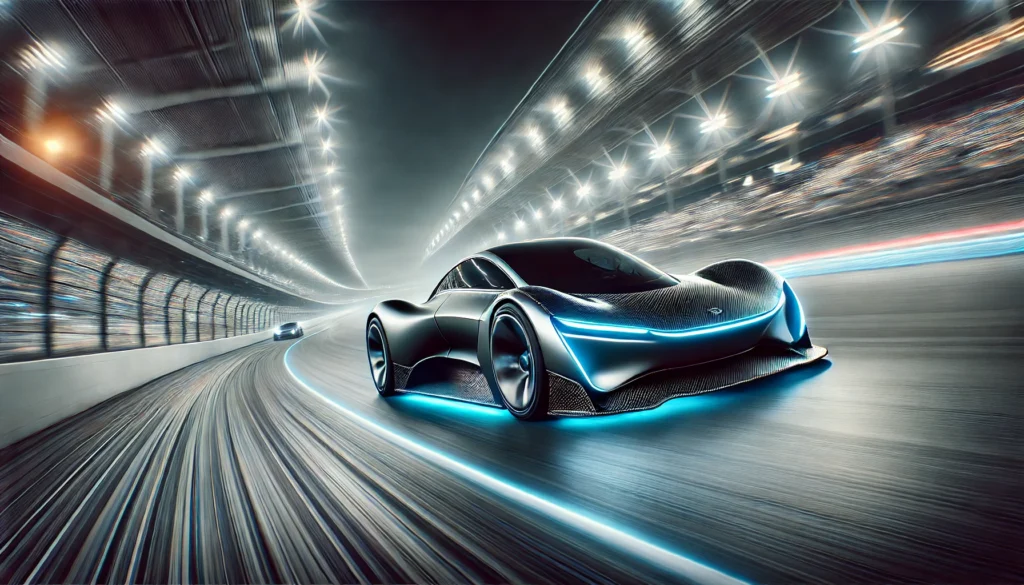
EVs and the Track: A Natural Evolution
Electric vehicles are inherently well-suited for high-performance driving. Unlike traditional internal combustion engine cars, EVs deliver instant torque, providing blistering acceleration from a standstill. Their electric motors are also highly efficient, ensuring that power is delivered smoothly and predictably—a critical factor for navigating tight corners and straightaways on the track.
Another advantage is the ability to precisely control power distribution. Many track-ready EVs feature dual-motor or even tri-motor setups, allowing for advanced torque vectoring. This technology ensures that each wheel receives just the right amount of power, improving grip, cornering, and overall handling.
As EV technology continues to mature, automakers are capitalizing on these strengths to create cars that aren’t just fast in a straight line but can also dominate on a racing circuit.
The New Breed of Track-Ready EVs
Some of the most talked-about vehicles in the EV world today are those built with the track in mind. Tesla has led the charge with the Plaid versions of its Model S and Model X, showcasing jaw-dropping acceleration, upgraded brakes, and cooling systems designed to handle the intense demands of racing. Similarly, Porsche’s Taycan Turbo S is proving that luxury and lap times can go hand in hand, with advanced suspension systems and regenerative braking that give it an edge on the track.
In Europe, Rimac’s hypercars have set the standard for what’s possible when performance takes precedence. The Rimac Nevera, for instance, blends stunning speed with advanced aerodynamics and cutting-edge battery technology. Meanwhile, smaller brands and startups like Lotus, with its all-electric Evija, are pushing boundaries by embracing lightweight construction and aerodynamic design to rival combustion-powered supercars.
Track-ready EVs aren’t limited to high-end luxury or hypercar brands, either. Manufacturers like Ford, with its Mustang Mach-E GT, and Hyundai, with its Ioniq 5 N, are proving that accessible performance EVs can also thrive on the track.
Overcoming Challenges: The Role of Technology
Creating a track-ready EV is not without its challenges. One of the most significant hurdles is managing battery performance under extreme conditions. Racing requires sustained power output, which can lead to overheating and rapid battery drain. To counter this, automakers are developing advanced cooling systems and heat-resistant battery packs that can withstand the rigors of a high-speed lap.
Weight is another factor. EV batteries are heavy, and minimizing weight without sacrificing range or performance is a constant balancing act. Manufacturers are increasingly using lightweight materials like carbon fiber and aluminum to reduce weight, while also optimizing aerodynamics to improve efficiency and stability.
These technological advancements not only make track-ready EVs viable but also contribute to improvements in everyday EVs. From enhanced battery management to lighter and stronger materials, the innovations born on the track often make their way into consumer vehicles, benefiting all drivers.
The Green Revolution in Motorsport
The rise of track-ready EVs isn’t just exciting for enthusiasts—it’s also a key part of motorsport’s sustainability transformation. Racing series like Formula E and Extreme E are leading the charge, proving that electric racing can deliver the same thrills as traditional motorsport while drastically reducing environmental impact.
Major manufacturers are taking note, with brands like Audi, BMW, and Mercedes-Benz investing heavily in electric motorsport. These efforts are helping to refine EV technology and dispel outdated notions about what electric cars are capable of.
Even traditional racing events are starting to embrace EVs. In the US and Europe, events like the Pikes Peak International Hill Climb have showcased the raw power of electric vehicles, with EVs breaking records previously set by internal combustion cars.
What This Means for the Future of Driving
The rise of track-ready EVs is more than just a motorsport story. It’s a glimpse into the future of high-performance driving. As technology continues to advance, the capabilities of electric vehicles will only grow, bringing new levels of excitement to racetracks and public roads alike.
This shift also reflects a broader cultural change. Younger generations of drivers and enthusiasts are drawn to the innovation and sustainability of electric vehicles, seeing them as the future of performance and transportation. Automakers are responding to this demand, ensuring that the next generation of gearheads has plenty of exciting options to explore.
Ready to Take the Wheel?
The emergence of track-ready EVs signals a thrilling new era for automotive enthusiasts. With their instant torque, advanced handling, and eco-friendly credentials, these vehicles offer a driving experience that’s as exhilarating as it is forward-thinking. Whether you’re a seasoned racer or just someone who loves pushing the limits of performance, the rise of track-ready EVs invites you to take a front-row seat in the electric revolution.
If you’ve been on the fence about embracing the EV movement, now is the perfect time to explore how these cutting-edge machines can deliver excitement without compromise. The future of speed is electric, and it’s already here. Are you ready to hit the track?


