The electric vehicle (EV) revolution has been gaining momentum across the globe, with the US and European markets leading the charge toward sustainable mobility. Amid this dynamic transformation, the announcement of a joint venture between Volkswagen and Rivian marks a pivotal moment for the industry. By combining Volkswagen’s legacy and expertise with Rivian’s innovative edge, this partnership is poised to reshape the EV landscape and accelerate the transition to a greener future.
A Strategic Partnership Bridging Legacy and Innovation
Volkswagen and Rivian represent two distinct yet complementary forces in the EV industry. Volkswagen, one of the world’s most established automakers, has decades of experience in producing high-quality vehicles and a vast global manufacturing infrastructure. On the other hand, Rivian, an EV startup known for its adventure-ready electric trucks and SUVs, has become synonymous with innovation, agility, and cutting-edge technology.
This partnership brings together Volkswagen’s capacity for mass production and Rivian’s knack for designing trendsetting EVs. Together, they aim to tackle key challenges in the EV market, from affordability and infrastructure to technology and sustainability, creating ripple effects that will be felt across the US and Europe.
Strengthening EV Accessibility in the US
In the US, where sprawling cities and long-distance travel dominate driving habits, EV adoption has often been limited by range anxiety, high costs, and infrastructure challenges. The Volkswagen-Rivian partnership seeks to address these issues by producing a diverse range of vehicles tailored to the American market.
Volkswagen’s expertise in scalable production allows for the creation of affordable EVs, while Rivian’s battery technology innovations can extend vehicle ranges and improve energy efficiency. This collaboration could make EVs more accessible to American consumers, encouraging wider adoption. Additionally, Rivian’s adventure-focused design philosophy aligns with American lifestyles, offering vehicles that cater to both urban commuters and outdoor enthusiasts.
The partnership also underscores the importance of building robust EV infrastructure. By leveraging Volkswagen’s global footprint and Rivian’s innovation, the venture can support the expansion of charging networks across the US. With easier access to charging stations, the barriers to EV ownership could diminish significantly.
Catalyzing Innovation in the European Market
Europe’s EV market has already seen significant growth, driven by strong government policies, ambitious emission reduction goals, and a focus on urban mobility. The Volkswagen-Rivian joint venture is poised to build on this momentum by offering vehicles that cater to European preferences and infrastructure.
European cities, known for their compact layouts and high-density populations, require EVs that are efficient, practical, and versatile. The collaboration between Volkswagen and Rivian could lead to the development of smaller, urban-friendly vehicles while maintaining the high performance and sustainability standards that both brands are known for. This is particularly relevant for countries with strong commitments to reducing carbon emissions and phasing out internal combustion engines.
The partnership also aligns with Europe’s emphasis on sustainability. By combining Rivian’s eco-conscious manufacturing practices with Volkswagen’s renewable energy initiatives, the two companies are setting new benchmarks for green automotive production. This holistic approach to sustainability is likely to resonate strongly with environmentally conscious European consumers.
Driving Down Costs Through Synergy
One of the most significant outcomes of the Volkswagen-Rivian partnership is its potential to lower EV production costs. Volkswagen’s established manufacturing network and economies of scale, paired with Rivian’s technological advancements, create a powerful synergy. By reducing production expenses, the venture can make EVs more affordable for consumers in both the US and Europe.
This cost reduction could have a cascading effect on the industry, pushing competitors to innovate and improve efficiency. As prices drop and charging infrastructure expands, EV adoption rates are expected to rise, further accelerating the transition to electric mobility.
Setting the Standard for Future Collaborations
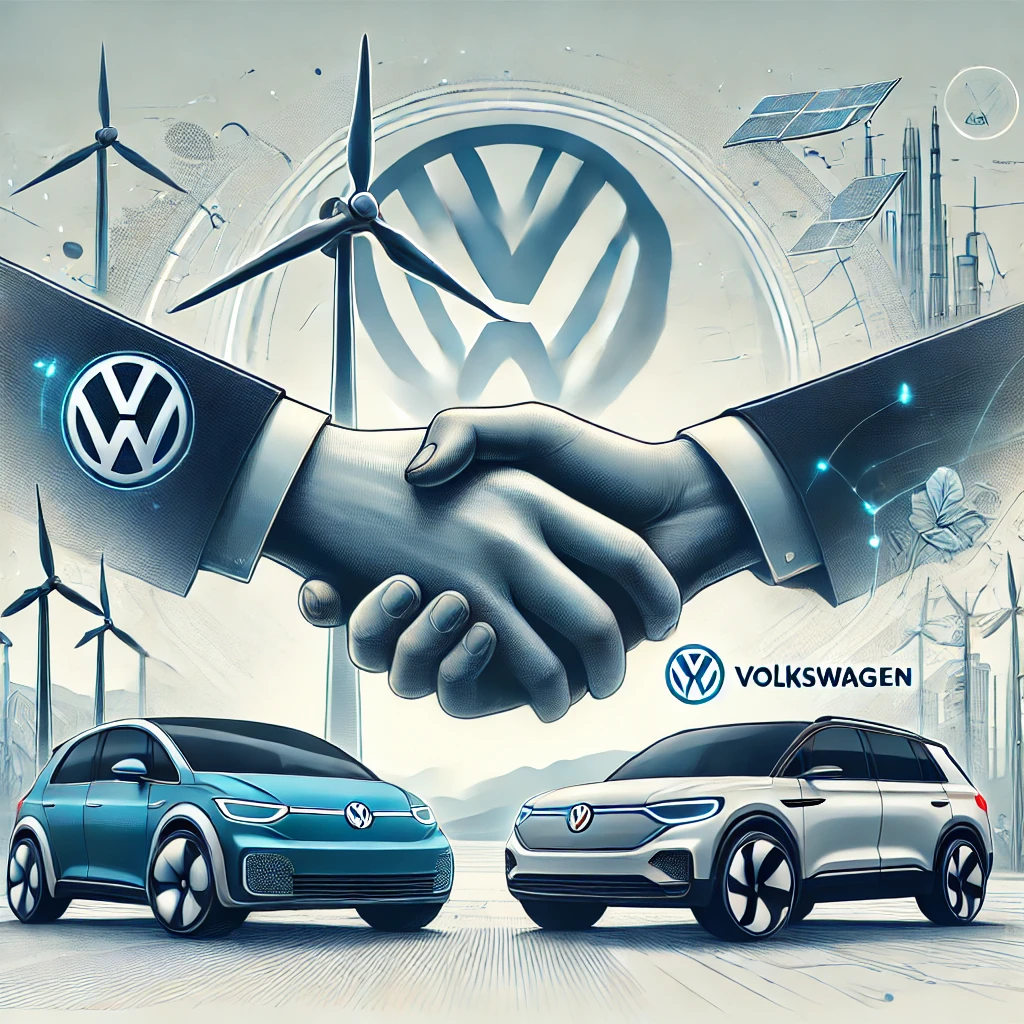
The Volkswagen-Rivian joint venture highlights the growing importance of collaboration in the automotive industry. As traditional automakers join forces with EV startups, the lines between legacy and innovation blur, resulting in groundbreaking solutions. This partnership sets a precedent for future collaborations, encouraging other industry players to pool resources, share expertise, and work together to overcome challenges.
For the US and European markets, this collaboration serves as a catalyst for progress, inspiring governments, businesses, and consumers to embrace sustainable transportation. By combining forces, Volkswagen and Rivian demonstrate that the future of mobility is not just about competition but also about cooperation.
A New Era for Electric Mobility
Volkswagen and Rivian’s joint venture marks the beginning of a new era for the EV market in the US and Europe. With their combined strengths, the two companies are poised to tackle critical challenges, from reducing costs to expanding infrastructure and advancing technology. Their partnership is not just a milestone for the automotive industry—it’s a step toward a cleaner, more connected world.
As this collaboration unfolds, it’s clear that the impact will extend far beyond the vehicles they produce. By setting new standards for sustainability, innovation, and accessibility, Volkswagen and Rivian are driving the EV market forward, paving the way for a brighter and more sustainable future.