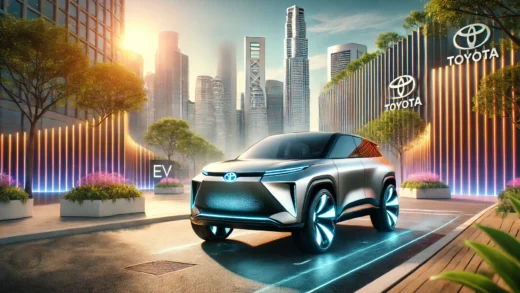
Electric vehicles (EVs) have taken center stage in the U.S. automotive industry, with more drivers transitioning to sustainable transportation than ever before. However, as demand for EVs grows, so does the pressure on supply chains and battery design. Enter 3D printing—a technology that is not only transforming the way EV batteries are made but also reshaping the entire supply chain.
In 2024, 3D-printed EV batteries are emerging as a game-changer, offering faster production, customizable designs, and greater sustainability. This innovation promises to address challenges in the EV industry while paving the way for more accessible and efficient electric transportation.
What are 3D-Printed EV Batteries?
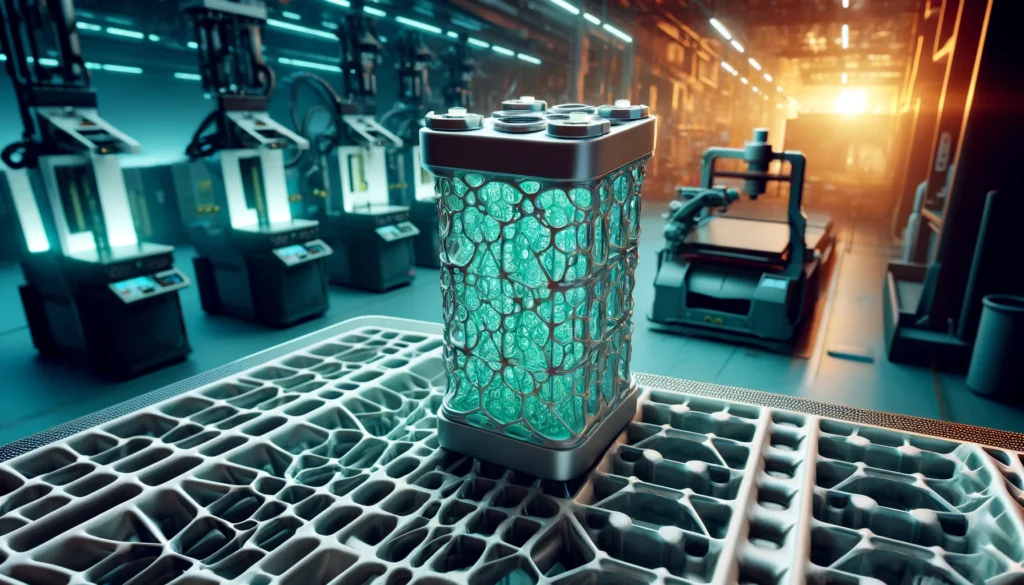
3D-printed EV batteries leverage advanced additive manufacturing techniques to create battery components layer by layer. Unlike traditional methods that involve complex assembly lines and multiple suppliers, 3D printing enables the production of batteries in a single, streamlined process. By using specialized materials like conductive inks and polymers, manufacturers can create intricate battery designs that maximize efficiency and durability.
This technology isn’t just about making batteries; it’s about rethinking the entire production process. From reducing waste to enabling localized manufacturing, 3D printing has the potential to transform how EV batteries are produced and delivered.
Streamlining Supply Chains in the U.S.
One of the biggest challenges facing the EV market in the United States is the complexity of supply chains. Traditional battery manufacturing relies on a global network of suppliers, with raw materials and components sourced from multiple countries. This dependency makes the industry vulnerable to disruptions, as seen during the pandemic and other global events.
3D-printed EV batteries offer a solution by simplifying and localizing production. With additive manufacturing, battery components can be produced closer to home, reducing the need for long and costly supply chains. This shift not only minimizes transportation emissions but also enhances energy security by relying more on domestic resources.
Localized production also benefits U.S. manufacturers by reducing lead times. Automakers can respond more quickly to market demands, ensuring that EVs are readily available to consumers. This agility is particularly important as the U.S. government continues to incentivize EV adoption through subsidies and infrastructure investments.
Revolutionizing Battery Design
Beyond supply chain improvements, 3D printing is opening new doors in battery design. Traditional manufacturing methods often limit the shape, size, and configuration of batteries. In contrast, 3D printing allows for highly customized designs that can be tailored to the specific needs of each vehicle.
For instance, automakers can design batteries that fit seamlessly into the structure of a car, maximizing interior space while improving energy density. This flexibility is especially valuable for EVs, where efficient use of space and weight directly impacts range and performance. With 3D printing, batteries can be made lighter, smaller, and more powerful, giving EVs a competitive edge in a rapidly growing market.
Customizable battery designs also open the door to innovations like modular batteries, which allow for easier replacement or upgrades. This approach aligns with the growing demand for sustainable solutions, as modular batteries can extend the lifespan of EVs and reduce waste.
Advancing Sustainability Goals
Sustainability is at the heart of the EV movement, and 3D-printed batteries align perfectly with this mission. Traditional battery production generates significant waste, both in terms of raw materials and energy consumption. Additive manufacturing, on the other hand, is inherently more resource-efficient, as it uses only the materials necessary for each layer of the battery.
In the U.S., where environmental regulations are becoming stricter, 3D-printed batteries offer a way for automakers to meet sustainability goals while reducing production costs. Moreover, the ability to recycle and repurpose materials in 3D printing further enhances the eco-friendliness of this technology.
By enabling localized production, 3D printing also reduces the carbon footprint associated with transporting battery components across continents. This combination of efficiency and sustainability makes 3D-printed batteries a win-win for the industry and the planet.
The Road Ahead for 3D-Printed Batteries
As 3D-printed EV batteries gain traction, the potential for widespread adoption is enormous. In 2024, several U.S. automakers and startups are already experimenting with this technology, and the results are promising. From reduced manufacturing costs to enhanced performance, the benefits of 3D-printed batteries are hard to ignore.
Looking ahead, advancements in materials science and printing techniques will continue to drive innovation. The integration of 3D-printed batteries with other emerging technologies, such as solid-state batteries and renewable energy systems, could further revolutionize the EV market.
For U.S. consumers, this means more affordable EVs with better range, faster production times, and a smaller environmental footprint. Whether you’re a first-time EV buyer or a long-time enthusiast, 3D-printed batteries represent a future where sustainable transportation is more accessible than ever.
Conclusion
3D-printed EV batteries are reshaping the U.S. automotive landscape, offering a bold solution to supply chain challenges and design limitations. By streamlining production, enabling customization, and advancing sustainability, this technology is driving the EV revolution forward in 2024.
As the demand for electric vehicles continues to rise, 3D-printed batteries promise to play a pivotal role in making EVs more efficient, affordable, and environmentally friendly. The future of electric mobility is here, and it’s being built layer by layer.