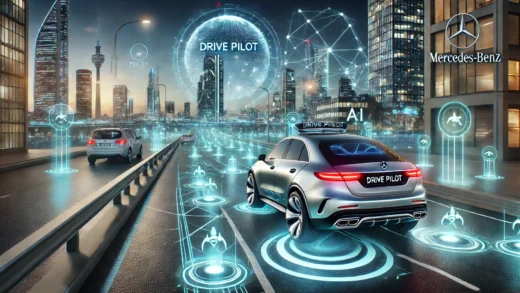
The automotive industry is undergoing a seismic shift, and much of it can be attributed to the evolving preferences of Gen Z and Millennials. These generations, known for their tech-savviness, environmental consciousness, and value-driven decision-making, are redefining what it means to buy and own a car. In the U.S. and Europe, their influence is driving innovation and reshaping the future of mobility.
Prioritizing Sustainability and Electric Vehicles
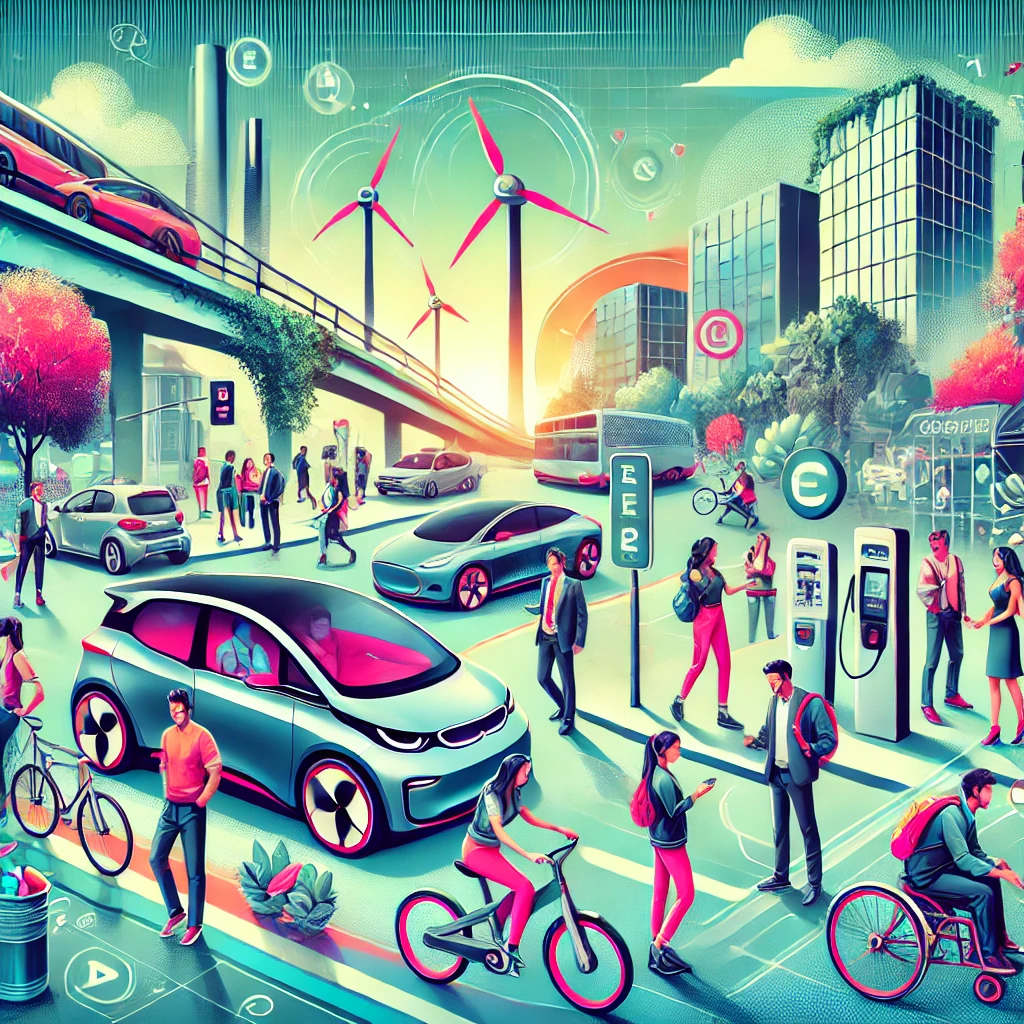
One of the most significant ways Gen Z and Millennials are shaping the automotive industry is through their preference for sustainability. These generations have grown up in an era of heightened awareness about climate change and are keen to reduce their environmental impact. As a result, they are far more likely to consider electric vehicles (EVs) and hybrids when shopping for a car.
In both the U.S. and Europe, the demand for electric vehicles is surging, with younger buyers leading the way. For many, owning an EV is not just about saving on fuel costs; it’s a statement about their commitment to a greener planet. This shift is prompting automakers to ramp up their EV offerings, with manufacturers racing to release more affordable and innovative models that cater to this environmentally conscious demographic.
Governments are also playing a role by offering incentives and expanding EV infrastructure, which aligns with the priorities of younger consumers. Charging stations are becoming more accessible, and the long-term savings associated with EV ownership are becoming a key selling point for this audience.
Embracing Technology and Connectivity
Gen Z and Millennials are digital natives, and they expect their cars to be as connected as their smartphones. This demand is driving the integration of advanced technologies into vehicles, from in-car entertainment systems to driver-assistance features. For these generations, a car is not just a means of transportation; it’s a mobile hub for work, entertainment, and communication.
Features like seamless smartphone integration, voice-activated controls, and over-the-air software updates are becoming must-haves for younger buyers. They are also more likely to embrace emerging technologies like autonomous driving, viewing them as a natural progression in automotive innovation.
In Europe, where smart cities and connected infrastructure are on the rise, the demand for technologically advanced cars is particularly strong. In the U.S., younger buyers are pushing for vehicles that integrate smoothly with their digital lives, fostering a new era of car design that prioritizes user experience.
Redefining Ownership with Flexibility
For Gen Z and Millennials, traditional car ownership isn’t as appealing as it once was. Economic factors, urban living, and the rise of the sharing economy have all contributed to a shift in how these generations view mobility. Many prioritize access over ownership, leading to the rise of car subscription services, leasing options, and ridesharing platforms.
Subscription models, in particular, are gaining traction in the U.S. and Europe. They offer the flexibility to switch between vehicles and eliminate the long-term commitment of owning a car. This aligns with the values of younger consumers, who often prefer experiences over material possessions. Car-sharing services are also popular among city dwellers who don’t need a vehicle for daily use but appreciate having access to one when needed.
This shift is challenging traditional automakers to rethink their business models, focusing not just on selling cars but also on providing mobility solutions. By offering flexible options that cater to the needs of younger consumers, companies are tapping into a market that values convenience and adaptability.
The Influence of Social Media and Branding
Social media is a powerful tool for Gen Z and Millennials, influencing their purchasing decisions and shaping how they interact with brands. When it comes to cars, these generations look for brands that align with their values and lifestyles. Automakers with a strong social media presence and a commitment to sustainability, diversity, and innovation are more likely to capture their attention.
Younger buyers also rely heavily on online reviews, influencer endorsements, and peer recommendations when making decisions. This has pushed car manufacturers to invest in digital marketing strategies and collaborate with influencers to build trust and credibility among this audience.
In Europe, where brand loyalty is less entrenched than in the U.S., younger consumers are open to exploring new and emerging brands. This creates opportunities for innovative startups to compete with established automakers, driving further innovation in the industry.
The Road Ahead
Gen Z and Millennials are not just influencing the automotive industry; they are transforming it. Their demand for sustainability, connectivity, and flexibility is pushing automakers to rethink everything from vehicle design to ownership models. In both the U.S. and Europe, these generations are driving a future where cars are cleaner, smarter, and more accessible.
As the automotive industry continues to adapt, it’s clear that the preferences of younger consumers will play a central role in shaping its evolution. For automakers, understanding and responding to these trends is essential for staying relevant in a rapidly changing market. For Gen Z and Millennials, their influence is paving the way for a more innovative and sustainable era of mobility.