

As the world moves toward a greener future, electric vehicles (EVs) have surged in popularity. Many consumers are now faced with the question: Are EVs really more sustainable than gasoline cars? With advancements in technology and growing concerns about climate change, it’s essential to dive into the details to understand the environmental impact of both types of vehicles. In this blog, we’ll explore the sustainability of EVs compared to traditional gasoline cars, focusing on various factors that influence their environmental footprint.
Understanding Electric Vehicles
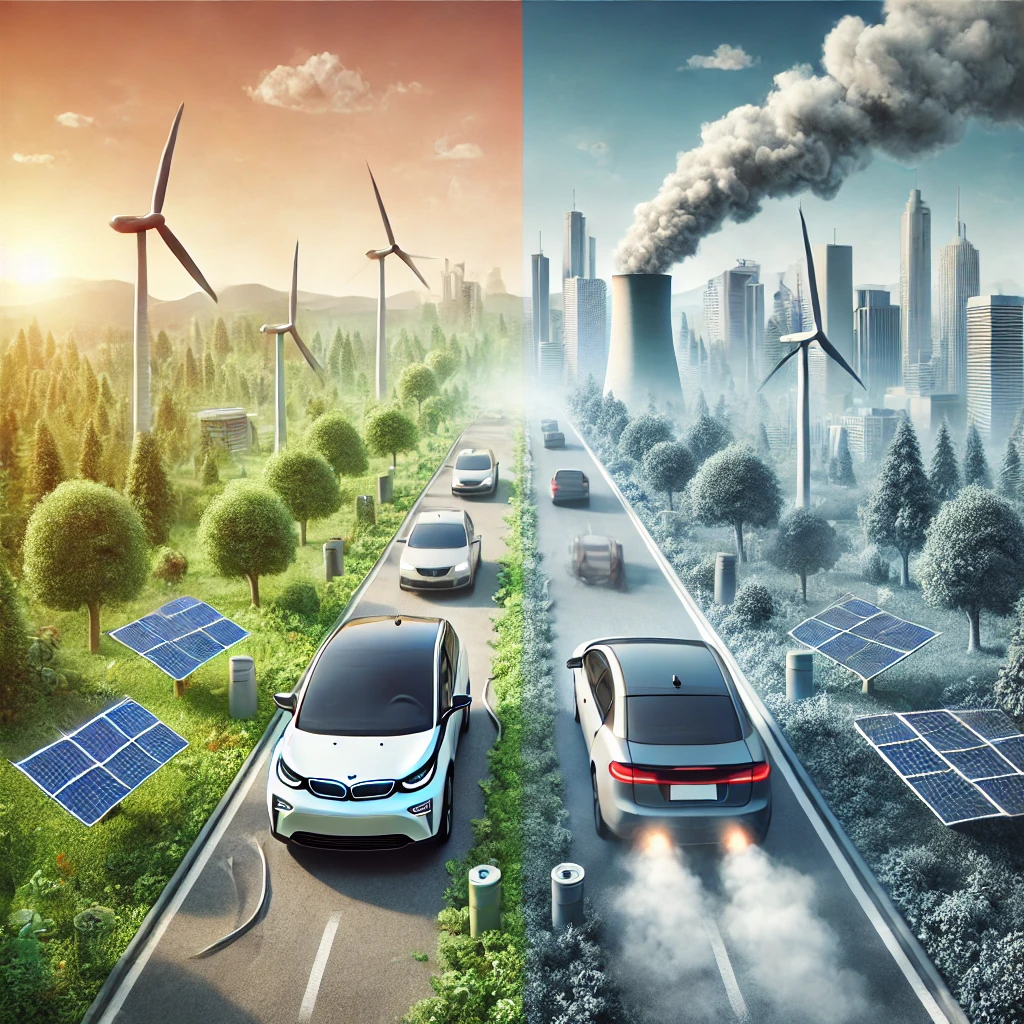
Electric vehicles operate using electric motors powered by batteries, offering a cleaner alternative to gasoline-powered vehicles that rely on internal combustion engines. The rise of EVs in the United States has been fueled by advancements in technology, increased charging infrastructure, and growing consumer interest in reducing carbon footprints. Many people are drawn to the idea of zero tailpipe emissions, which significantly reduces air pollution in urban areas.
However, the sustainability of EVs goes beyond just emissions from driving. The production, use, and disposal of electric vehicles all play a crucial role in determining their overall environmental impact.
The Manufacturing Process
One of the significant factors in assessing the sustainability of EVs is the manufacturing process. Producing electric vehicles, particularly their batteries, often requires mining for raw materials such as lithium, cobalt, and nickel. This process can lead to significant environmental degradation, including habitat destruction and increased carbon emissions.
In contrast, gasoline cars have their own environmental costs associated with manufacturing, though these are often less discussed. The extraction and refining of oil, along with the manufacturing of traditional vehicle components, also contribute to greenhouse gas emissions and pollution.
As technology advances, efforts are being made to make the production of EVs more sustainable. Manufacturers are exploring ways to recycle battery materials and reduce the environmental impact of mining. The emergence of more environmentally friendly battery technologies, such as solid-state batteries, may also improve the overall sustainability of electric vehicles in the future.
Energy Source for Charging
Another critical aspect of the sustainability debate is the source of energy used to charge electric vehicles. In the United States, the electricity grid is powered by a mix of sources, including fossil fuels, nuclear, and renewable energy. As a result, the overall emissions associated with EVs can vary significantly depending on where the electricity is sourced.
If an EV is charged using renewable energy sources like wind or solar, its overall carbon footprint can be significantly lower than that of a gasoline car. Conversely, if the electricity comes primarily from coal or natural gas, the environmental benefits of driving an EV can diminish.
Fortunately, there is a growing trend toward renewable energy, and many states are working to increase the share of clean energy in their power grids. This shift is expected to enhance the sustainability of electric vehicles over time.
The Lifespan of Vehicles
When considering sustainability, it’s essential to look at the entire lifespan of a vehicle. Electric vehicles tend to have lower operating costs and fewer moving parts than gasoline cars, which can lead to longer lifespans and reduced waste. Additionally, EVs typically require less maintenance, further contributing to their sustainability.
However, the disposal of batteries at the end of their life cycle poses a challenge. The recycling of EV batteries is still an evolving field, and finding effective solutions to manage battery waste is crucial for ensuring the sustainability of electric vehicles.
Driving Experience and Technology
Driving an electric vehicle also offers a unique experience that many find appealing. With instant torque and quiet operation, EVs provide a different kind of driving pleasure compared to traditional gasoline cars. Many EVs come equipped with modern technologies such as the Apple CarPlay setup, enhancing the overall driving experience. CarPlay compatible cars allow for seamless integration with smartphones, providing access to navigation, music, and other features directly through the vehicle’s infotainment system.
This tech-savvy aspect of EVs makes them particularly attractive to younger consumers, further promoting a shift toward sustainable transportation.
Conclusion: The Verdict
So, are electric vehicles more sustainable than gasoline cars? The answer is nuanced and depends on various factors, including manufacturing practices, energy sources, and vehicle lifespans. While EVs offer significant benefits, particularly in terms of tailpipe emissions and operational efficiency, their overall sustainability can be influenced by how they are produced and powered.
As the U.S. moves toward cleaner energy and improved battery recycling technologies, the environmental advantages of electric vehicles are likely to grow. Ultimately, consumers must consider their own driving habits, energy sources, and personal values when deciding between an EV and a gasoline car. The future of transportation is evolving, and with continued advancements, the sustainability of electric vehicles may soon overshadow that of traditional vehicles.


