

As the electric vehicle (EV) market continues to expand in the United States, potential buyers are often faced with a fundamental question: should I opt for a small EV or a big one? Both options have their advantages and disadvantages, making the decision highly personal. In this blog, we will explore the benefits and drawbacks of small and big EVs to help you determine which type best suits your needs.
The Allure of Small EVs
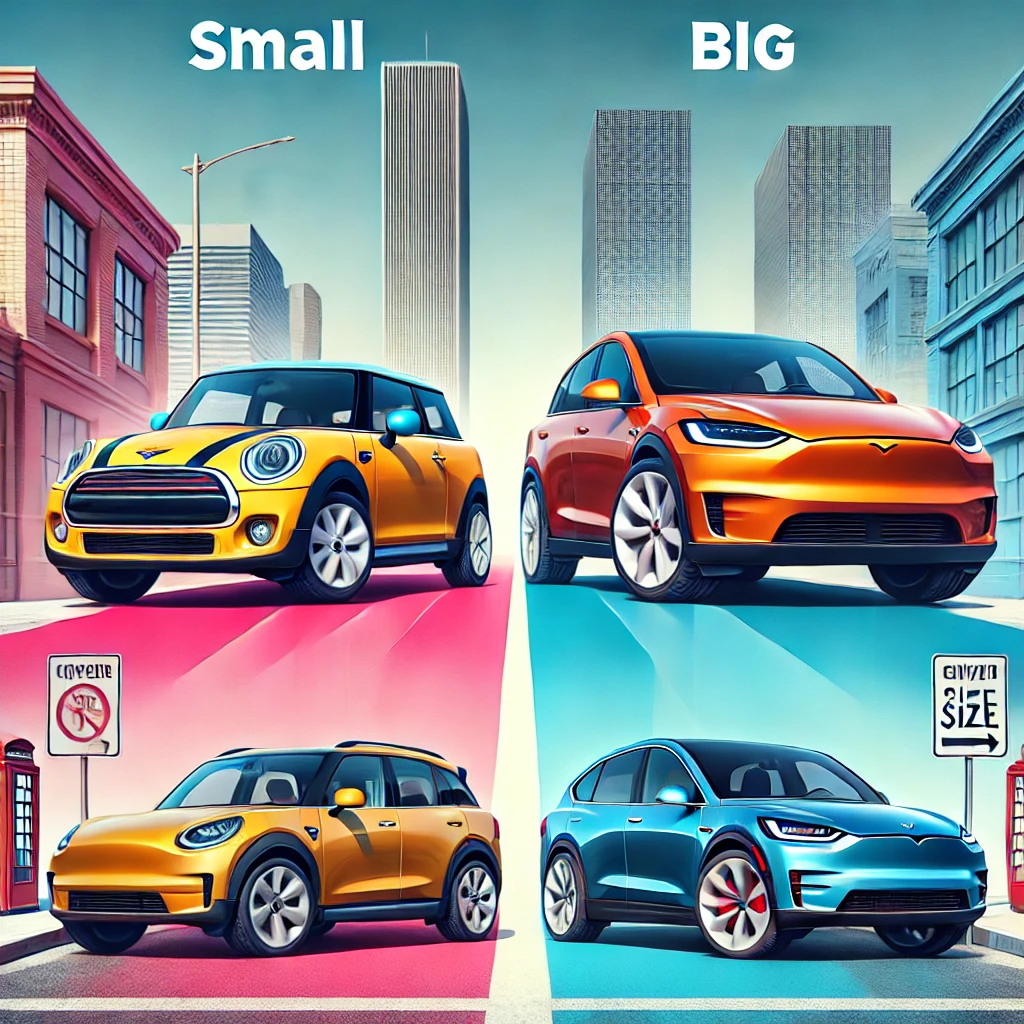
Small electric vehicles, like the Honda e or the Mini Electric, have gained popularity for various reasons. One of their most significant advantages is their compact size. These vehicles excel in urban settings where parking spaces are limited and maneuverability is essential. With a small footprint, they can easily navigate through crowded streets and fit into tight parking spots, making them a practical choice for city dwellers.
In addition to their size, small EVs are often more affordable than their larger counterparts. They typically come with a lower initial price tag, which can make the transition to electric driving more accessible for first-time buyers. Plus, the cost of insurance and maintenance tends to be lower, adding to the overall savings. When it comes to charging, small EVs also tend to have a shorter range, which can be an advantage for those who primarily drive short distances.
Many small EVs also feature impressive tech options. You can find vehicles equipped with Apple CarPlay setup, making it easy to stay connected while on the road. With the growing list of CarPlay compatible cars, small EVs often integrate technology that enhances the driving experience. This makes it easy to access your favorite apps, music, and navigation systems.
The Benefits of Big EVs
On the other hand, big electric vehicles, such as the Tesla Model X or the Ford Mustang Mach-E, offer unique benefits that might sway buyers in their favor. One of the most appealing aspects of larger EVs is the extra space. They typically provide more room for passengers and cargo, making them an ideal choice for families or individuals who often travel with others.
Big EVs also tend to offer more advanced features, including higher performance capabilities. Many large electric vehicles come with dual motors, providing all-wheel drive for enhanced traction and acceleration. This can lead to a more exhilarating driving experience, especially for those who enjoy a sportier ride. The larger battery packs in big EVs often translate to longer ranges, which can be beneficial for road trips and long commutes.
When it comes to technology, big EVs also shine. Many come equipped with the latest safety features and infotainment systems, often supporting advanced versions of CarPlay features. The larger screens and better sound systems can enhance your overall driving experience, providing comfort and convenience that smaller models may not offer.
Cost Considerations
While small EVs are often more affordable initially, it’s essential to consider the long-term costs. Big EVs may come with a higher purchase price, but they can provide savings in other areas. For instance, families may find that the extra space reduces the need for additional vehicles, leading to potential savings on maintenance and insurance costs. Additionally, the longer range of a big EV can result in fewer charging stops on long trips, saving time and hassle.
Insurance rates may also vary significantly based on the size and type of vehicle you choose. Typically, larger EVs might cost more to insure due to their higher value. It’s essential to get quotes for both types to see how they align with your budget.
Final Thoughts
Choosing between a small and a big electric vehicle ultimately depends on your individual lifestyle, budget, and preferences. Small EVs are fantastic for city driving and offer a more affordable entry into the electric vehicle market. They are easy to maneuver and park, making them a practical choice for urban environments.
In contrast, larger EVs offer spacious interiors and enhanced performance, making them a better fit for families or those who frequently travel long distances. They also come equipped with advanced tech features that can significantly improve your driving experience.
Regardless of your choice, both small and big EVs contribute to a greener planet and a more sustainable future. As you make your decision, consider what factors are most important to you, and take the time to test-drive models from both categories. Embracing electric driving is not just about the vehicle itself; it’s about how it fits into your lifestyle and supports your goals. Whether you choose a small or big EV, you’ll be part of a growing community that values sustainability and innovation in the automotive world.


