The concept of autonomous driving has been gaining traction over the last few years, and Waymo has emerged as a leader in this innovative field. As a subsidiary of Alphabet Inc., Waymo is dedicated to developing self-driving technology that promises to revolutionize the way we travel. In 2024, Waymo is not just a vision of the future; it’s a reality that is making waves on the streets of several US cities. In this blog, we’ll explore the latest Waymo updates, how Google’s self-driving car technology is shaping the industry, and what to expect from Waymo vehicles in the years to come.

What Is Waymo?
Waymo began its journey as the Google self-driving car project in 2009, with the goal of making roads safer and transportation more accessible. Today, Waymo is at the forefront of autonomous vehicle technology, focusing on developing a fleet of driverless cars capable of navigating complex urban environments without human intervention.
The company operates in select cities across the United States, primarily in Phoenix, Arizona, where it has been providing fully autonomous rides to passengers. As of 2024, Waymo continues to expand its services and improve its technology, aiming to set the standard for safety and reliability in the autonomous driving industry.
Waymo Updates: What’s New in 2024?
As technology evolves, so does Waymo. In 2024, the company has made significant strides in enhancing its autonomous driving systems. One of the key updates is the expansion of Waymo’s operational area. Initially limited to specific regions in Phoenix, Waymo is now extending its services to more neighborhoods, increasing access for residents who want to experience the convenience of driverless rides.
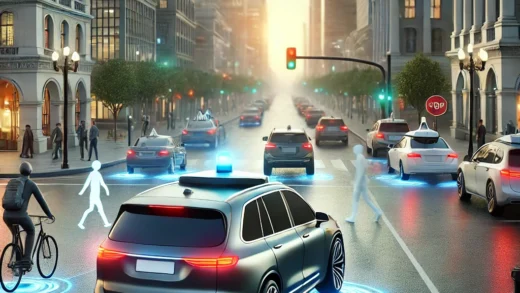
Another exciting development is the improvement of Waymo’s artificial intelligence (AI) capabilities. The latest updates have focused on refining the vehicle’s perception systems, which use a combination of cameras, radar, and LiDAR to “see” the world around them. This enables Waymo vehicles to better detect pedestrians, cyclists, and other road users, ensuring a safer ride for everyone.
Waymo has also rolled out enhancements in customer experience. Passengers can now enjoy more user-friendly apps and interfaces, making it easier to book rides and communicate with the Waymo team. These updates reflect Waymo’s commitment to not only perfecting its technology but also improving the overall experience for its users.
How Waymo Vehicles Work
Waymo vehicles operate using a sophisticated combination of sensors and AI algorithms. Each vehicle is equipped with an array of high-definition cameras, radar, and LiDAR systems that create a detailed 3D map of the environment. This technology allows the vehicle to identify and respond to obstacles, traffic signals, and road signs.
When a passenger books a ride, the Waymo app communicates with the vehicle to determine the best route. The AI then processes real-time data to navigate safely and efficiently. Unlike traditional vehicles, Waymo cars are designed to make decisions based on an extensive database of driving scenarios, enabling them to handle complex situations, such as merging onto highways or navigating busy intersections.
The Impact of Waymo on Transportation
The advent of Waymo and similar autonomous driving technologies is expected to have a significant impact on transportation in the US. With self-driving cars, the potential for safer roads increases dramatically. By eliminating human error, which is responsible for the majority of traffic accidents, Waymo aims to reduce the number of fatalities and injuries caused by vehicle collisions.
Moreover, autonomous vehicles can enhance mobility for those who cannot drive, including the elderly and disabled. Waymo’s service model promotes independence and provides greater access to transportation for underserved communities. This is especially important in urban areas, where public transportation may be limited or unreliable.
Additionally, Waymo’s technology could lead to decreased traffic congestion and lower emissions. By optimizing driving patterns and encouraging shared rides, autonomous vehicles have the potential to make cities more livable and environmentally friendly.
The Future of Waymo and Autonomous Driving
As we look ahead, Waymo is poised to continue its role as a leader in the self-driving car industry. The company’s commitment to innovation and safety is likely to pave the way for broader acceptance of autonomous vehicles. In 2024, Waymo is exploring partnerships with other companies to further develop its technology and expand its reach across the country.
Public perception is gradually shifting as more people experience the convenience and safety of Waymo rides. While challenges remain, including regulatory hurdles and public acceptance, the future of autonomous driving appears promising.
In conclusion, Waymo is not just changing the way we think about transportation; it’s setting the stage for a safer, more accessible, and efficient future on the roads. As Waymo updates continue to roll out, the vision of a driverless world is becoming more tangible every day. Whether you’re a skeptic or a believer in the technology, one thing is clear: the era of autonomous vehicles is here, and Waymo is leading the charge.