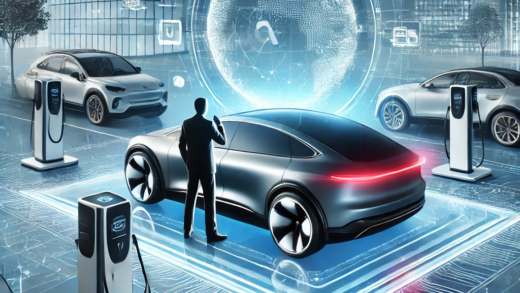
As we step into 2024, the rise of autonomous vehicles (AVs) has sparked not just technological innovations but also significant ethical discussions. While self-driving cars promise to make roads safer and more efficient, they also present complex moral dilemmas. Understanding self-driving car ethics is essential as we consider how these vehicles will operate in real-world situations. In this blog, we will explore the ethical questions surrounding AV decision-making, the challenges of programming morality into machines, and the broader implications for society.

Understanding the Ethical Landscape
At the core of self-driving car ethics lies a fundamental question: how should autonomous vehicles make decisions in situations where harm may occur? For instance, if a self-driving car must choose between swerving to avoid a pedestrian and risking the lives of its passengers, what should it do? These scenarios, often referred to as moral dilemmas, raise critical questions about the values we prioritize as a society.
As of 2024, discussions about AV decision-making have become increasingly relevant. Engineers and ethicists are now grappling with how to program moral guidelines into the algorithms that control these vehicles. Should the priority be to minimize overall harm, save the greatest number of lives, or protect the vehicle’s occupants first? The answers are not straightforward, and different stakeholders may have differing opinions based on their values and experiences.
The Challenge of Programming Morality
One of the significant challenges in developing autonomous vehicle morality is the lack of consensus on ethical principles. Various ethical frameworks exist, such as utilitarianism, which advocates for the greatest good for the greatest number, and deontological ethics, which focuses on adherence to rules and duties. Choosing which ethical approach to implement in self-driving car algorithms is a daunting task.
In 2024, researchers are exploring methods to incorporate ethical decision-making into AVs. This involves using artificial intelligence to analyze real-time data and predict potential outcomes. However, the unpredictability of human behavior complicates this process. How can a vehicle anticipate how a pedestrian will react? Will it prioritize the lives of pedestrians, cyclists, or its passengers? These questions highlight the difficulties in creating a universally accepted ethical framework for autonomous vehicles.
Public Perception and Trust
The ethics of autonomous vehicles extend beyond technical challenges; they also encompass public perception and trust. As self-driving technology continues to evolve, how society views these vehicles will play a crucial role in their acceptance. Many people may feel uneasy about the idea of machines making life-and-death decisions. The perception that AVs could act unethically in critical situations may hinder their widespread adoption.
To address these concerns, manufacturers and policymakers must prioritize transparency. By openly discussing how self-driving cars make decisions and the ethical considerations involved, the industry can foster greater public trust. Engaging in dialogue with communities and stakeholders will help demystify the technology and reassure people that safety remains a top priority.
The Legal and Regulatory Landscape
The ethical implications of self-driving car ethics are also intertwined with legal and regulatory frameworks. In the US, existing traffic laws and regulations may not adequately address the unique challenges posed by autonomous vehicles. As of 2024, lawmakers are working to update legislation to reflect the realities of AV technology. This includes defining liability in the event of accidents and determining the ethical responsibilities of manufacturers and software developers.
Regulatory bodies must establish guidelines that ensure AVs operate safely while considering the ethical dilemmas they may face. This is a delicate balance, as overly strict regulations could stifle innovation, while lax rules might compromise safety.
The Road Ahead
Looking ahead, the ethics of autonomous vehicles will continue to evolve as technology advances and societal values shift. Engaging ethicists, engineers, lawmakers, and the public in discussions about self-driving car ethics is essential. As we navigate this complex landscape, it is crucial to develop ethical frameworks that reflect our collective values and priorities.
In 2024, the focus should be on creating autonomous vehicles that not only enhance safety and efficiency but also align with the moral principles we hold dear as a society. By prioritizing ethical considerations in the development of self-driving technology, we can ensure that AVs contribute positively to our lives and help shape a safer, more equitable future on the roads.
In conclusion, the journey towards fully autonomous vehicles is as much about ethical decision-making as it is about technological advancements. As we grapple with the moral dilemmas posed by self-driving cars, we must embrace open dialogue, transparency, and collaboration to navigate the road ahead. Ultimately, the decisions we make today will shape the future of autonomous vehicles and their role in our society.