

As electric vehicles (EVs) continue to gain popularity in the United States, the government is ramping up its efforts to support this shift toward a greener, more sustainable future. The transition from gasoline-powered cars to electric alternatives is not just driven by consumer demand but also by new legislation and policies aimed at reducing carbon emissions and promoting cleaner energy.
In 2024, there are significant changes in US electric vehicle legislation that impact manufacturers, consumers, and infrastructure development. Understanding these EV laws and government electric car mandates will help you stay informed and take advantage of the benefits available for electric vehicle owners. Let’s take a closer look at the most recent government EV policies shaping the future of driving in the US.
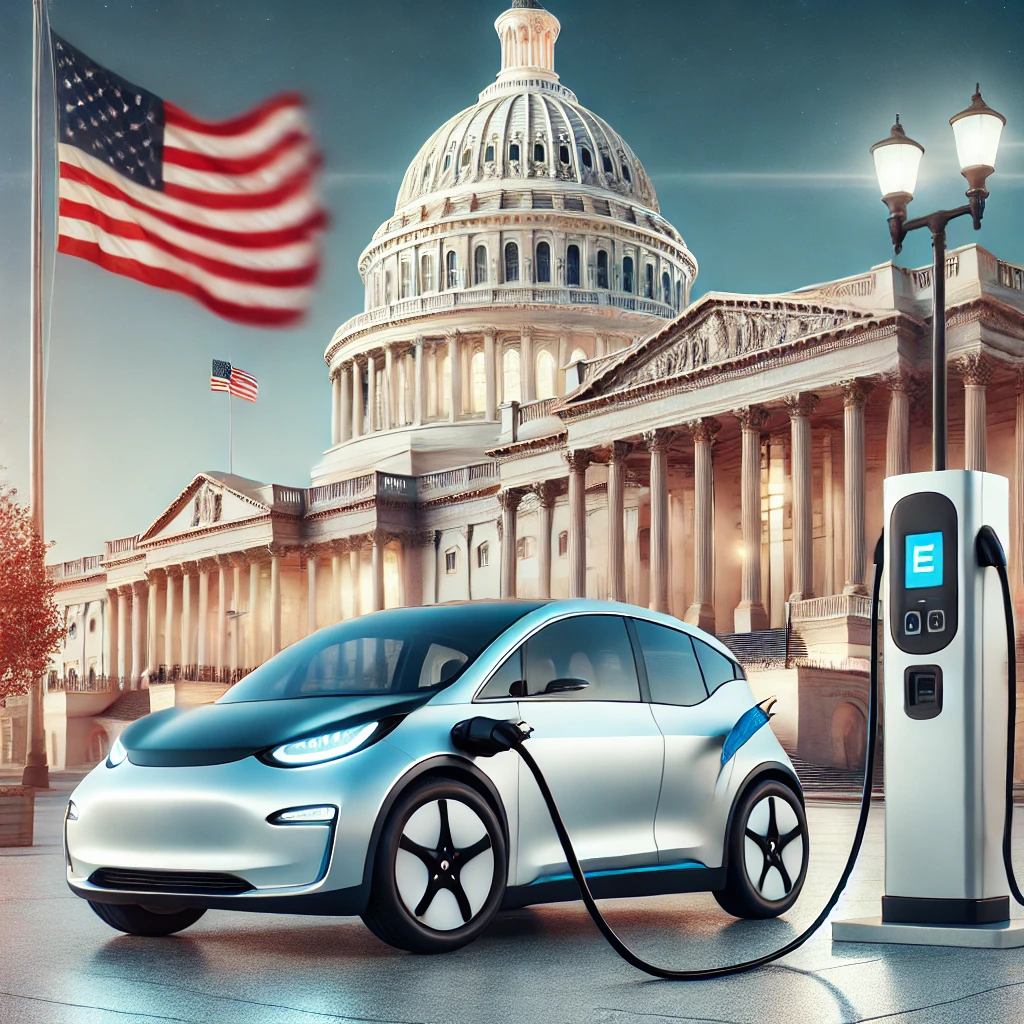
Federal Support for Electric Vehicles
At the federal level, the US government has continued to roll out policies that encourage both the production and purchase of electric vehicles. One of the most important pieces of legislation in recent years is the Inflation Reduction Act of 2022, which took full effect in 2023 and extends into 2024. This law significantly enhances the tax incentives available for EV buyers, making it more affordable to own an electric vehicle.
Under this policy, new EV buyers can receive up to $7,500 in tax credits, while those purchasing used electric cars may qualify for a credit of up to $4,000. However, the incentives are only available for vehicles that meet certain criteria, including being assembled in North America and using components sourced from specific regions. This policy encourages domestic production and supports American jobs, while also making EVs more accessible to consumers.
Additionally, the law also offers tax credits for home and commercial EV charging infrastructure, encouraging more widespread installation of charging stations across the country. For those looking to charge their EVs at home, this is a significant financial boost, helping to cover the costs of installing a charging station and encouraging more people to make the switch to electric cars.
State-Level EV Mandates and Incentives
While federal policies are crucial, individual states are also playing a major role in shaping the future of electric vehicles in the US. States like California, New York, and Washington are leading the charge with ambitious electric car mandates that go beyond federal requirements.
In California, a state that often sets trends for the rest of the country, the Advanced Clean Cars II rule aims to phase out the sale of new gas-powered vehicles by 2035. This mandate, introduced by the California Air Resources Board (CARB), requires that all new cars sold in the state must be zero-emission vehicles (ZEVs), such as electric or hydrogen-powered cars. Starting in 2026, manufacturers must ensure that 35% of their sales come from electric vehicles, gradually increasing to 100% by 2035.
Similarly, New York and Washington have adopted similar timelines, pushing for a complete transition to electric cars by 2035. These states are also offering generous financial incentives for consumers, including rebates on EV purchases, discounts on registration fees, and access to HOV lanes for electric vehicle drivers.
Other states like Colorado, Massachusetts, and Oregon are also rolling out their own versions of electric car mandates and incentives. These policies not only make it easier for consumers to buy and own EVs but also create a ripple effect that encourages automakers to ramp up production of electric cars, even in states without such strict mandates.
Expanding EV Infrastructure Across the US
One of the biggest hurdles for EV adoption has been the availability of charging infrastructure. To address this, new legislation is focusing on expanding the network of charging stations across the country.
Under the Bipartisan Infrastructure Law, signed in 2021 but continuing to influence EV development in 2024, the US government allocated $7.5 billion to build a national network of 500,000 EV charging stations by 2030. This initiative, known as the National Electric Vehicle Infrastructure (NEVI) program, is already underway, and 2024 will see significant progress in charging station installations along major highways, rural areas, and underserved communities.
This expansion of EV infrastructure is crucial for alleviating “range anxiety” – the fear that an electric car won’t have enough charge to reach its destination. As more stations are built, EV owners can feel more confident driving longer distances, knowing that there will be plenty of places to charge along the way.
The Impact of Electric Vehicle Mandates
The combination of federal and state policies is accelerating the shift toward electric vehicles. For automakers, government EV policies have created clear incentives to focus on the production of electric cars, while consumers are benefiting from increased options and affordability.
As EV laws and electric car mandates continue to evolve, it’s important for both manufacturers and buyers to stay informed. In 2024, the emphasis is not only on promoting EV sales but also on creating the infrastructure and support systems necessary to make electric cars a viable option for all Americans. Whether you’re a current EV owner or thinking about making the switch, these legislative changes are paving the way for a cleaner, more sustainable future on the road.


