Starting a career as a driver for ride-hailing platforms like Uber and Ola in India can be an excellent way to earn a living. However, one of the most significant decisions drivers face is choosing the right vehicle for their business. Buying a used car for Uber Ola business requires careful consideration to ensure reliability, affordability, and suitability for the job. In this blog, we’ll provide a comprehensive guide to help drivers navigate the process of purchasing a used car for their ride-hailing business in India

Researching Vehicle Options:
Before diving into the used car market, it’s essential for Uber Ola drivers to research and identify suitable vehicle options. Consider factors such as fuel efficiency, maintenance costs, resale value, and passenger comfort. Popular choices for ride-hailing vehicles in India include hatchbacks, sedans, and compact SUVs known for their reliability and fuel efficiency.
Setting a Budget:
Establishing a budget is crucial when buying a used car for Uber Ola business. Consider not only the upfront purchase price but also ongoing expenses such as insurance, maintenance, and fuel costs. Be realistic about what you can afford and aim to find a balance between affordability and the quality of the vehicle.
Inspecting the Vehicle:
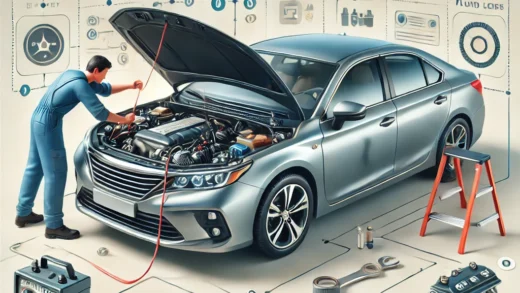
Once you’ve narrowed down your options, it’s time to inspect the prospective vehicles thoroughly. Look for signs of wear and tear, such as dents, scratches, and rust. Check the engine, brakes, suspension, and tires for any issues that may affect the vehicle’s performance and safety. If possible, take the car for a test drive to assess its handling and overall condition.
Verifying Vehicle History:
Before finalizing the purchase, it’s essential to verify the vehicle’s history to ensure transparency and avoid potential issues down the line. Request the vehicle’s service records, accident history, and registration documents. Consider obtaining a comprehensive vehicle history report from reputable agencies to uncover any hidden issues or discrepancies.
Negotiating the Price:
Once you’re satisfied with the condition of the vehicle and its history, it’s time to negotiate the price with the seller. Use your research and inspection findings to justify your offer and negotiate a fair deal. Be prepared to walk away if the seller is unwilling to negotiate or if the asking price exceeds your budget.
Finalizing the Purchase:
After reaching an agreement on the price, it’s essential to complete the necessary paperwork to finalize the purchase. Ensure that all relevant documents, including the sale deed, transfer of ownership, insurance, and registration papers, are in order. Consider hiring a legal expert or consulting with a trusted advisor to assist with the paperwork and ensure a smooth transaction.
Preparing the Vehicle for Service:
Once you’ve acquired the used car for your Uber Ola business, it’s time to prepare the vehicle for service. Schedule a comprehensive service and maintenance check to address any issues and ensure that the vehicle is in optimal condition for passenger transport. Consider investing in additional safety features such as dash cams and GPS trackers to enhance passenger safety and security.
Registering with Uber and Ola:
Before hitting the road, it’s essential to register your vehicle with the Uber and Ola platforms. Follow the respective registration procedures, including submitting required documents and completing driver verification processes. Once approved, you’ll be ready to start accepting ride requests and earning income with your newly acquired vehicle.
Buying a used car for Uber Ola business in India requires careful planning, research, and attention to detail. By following the steps outlined in this guide, drivers can navigate the process effectively and make informed decisions when purchasing a vehicle for their ride-hailing business. With a reliable and well-maintained vehicle, drivers can provide excellent service to passengers and maximize their earning potential in the competitive ride-hailing industry.