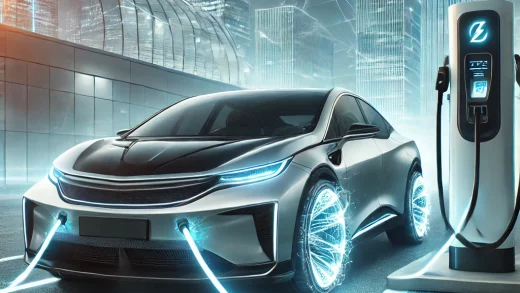
In the realm of compact electric vehicles, the Mini Electric and Fiat 500 Electric stand out as stylish and eco-friendly options for urban commuters. With their compact dimensions, agile handling, and emission-free driving, these cars offer a glimpse into the future of city mobility. This comparison will delve into the key features and attributes of both models to help you decide which one suits your needs best.

Design and Styling:
The Mini Electric retains the iconic design language of its gasoline-powered counterpart, with its retro-inspired styling, signature circular headlights, and contrasting roof options. Its compact dimensions make it ideal for navigating narrow city streets, while its premium interior features high-quality materials and modern amenities. With customizable trim options and unique styling cues, the Mini Electric exudes personality and charm at every turn.
In contrast, the Fiat 500 Electric embraces a more contemporary design approach, with its rounded silhouette, sleek lines, and minimalist aesthetic. Available in a range of vibrant color options, the Fiat 500 Electric adds a pop of personality to urban landscapes. Inside, the cabin offers a blend of retro and modern elements, with a focus on simplicity and functionality. While the Fiat 500 Electric may lack the customization options of the Mini Electric, its clean and uncluttered design appeals to those seeking a no-nonsense city car.
Performance and Range:
When it comes to performance and range, both the Mini Electric and Fiat 500 Electric offer efficient and agile driving experiences tailored to city living. The Mini Electric delivers instant torque and responsive acceleration, making it a nimble and enjoyable car to drive around town. With a range of approximately 110 miles on a single charge, the Mini Electric is well-suited for daily commuting and short trips within the city limits.
Similarly, the Fiat 500 Electric offers zippy acceleration and precise handling, thanks to its electric powertrain and compact footprint. With a range of around 84 miles on a single charge, the Fiat 500 Electric is designed for urban dwellers looking for an eco-friendly alternative to traditional gasoline-powered vehicles. While its range may be more limited compared to the Mini Electric, the Fiat 500 Electric’s compact size and agility make it a practical choice for navigating congested city streets.
Technology and Features:
In terms of technology and features, both the Mini Electric and Fiat 500 Electric come equipped with a range of amenities to enhance comfort, convenience, and connectivity. The Mini Electric offers a user-friendly infotainment system with smartphone integration, navigation, and voice commands. It also comes standard with advanced safety features, such as forward collision warning and automatic emergency braking, to help keep you safe on the road.
Similarly, the Fiat 500 Electric features a modern infotainment system with smartphone connectivity and a digital instrument cluster. It also comes standard with driver-assistance features like lane departure warning and rear parking sensors, providing added peace of mind during city driving. While both cars offer a similar level of technology, the Mini Electric may have a slight edge in terms of overall refinement and user experience.
In the comparison between the Mini Electric and Fiat 500 Electric, both cars offer compelling options for urban commuters seeking an eco-friendly and stylish city car. The Mini Electric impresses with its iconic design, customizable options, and spirited driving dynamics, while the Fiat 500 Electric stands out for its contemporary styling, simplicity, and practicality. Ultimately, the choice between these two models comes down to personal preference, budget, and specific needs, with both cars representing the future of electric mobility in urban environments.