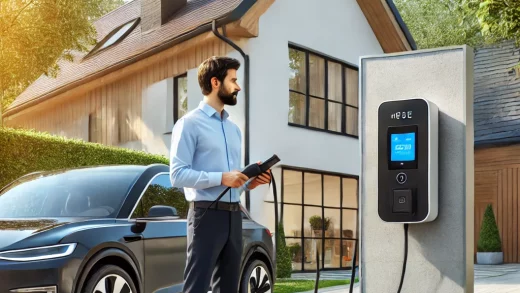
As the popularity of electric vehicles (EVs) continues to rise, it’s essential to understand how external factors, such as weather conditions, can affect their performance. In colder climates, the impact of cold weather on EVs can be significant, influencing everything from battery range to charging efficiency. In this blog, we’ll explore the effects of cold weather on electric vehicle performance in the United States and how drivers can mitigate its impact.

Battery Range and Efficiency:
One of the most noticeable effects of cold weather on electric vehicles is reduced battery range and efficiency. Cold temperatures can cause lithium-ion batteries, commonly used in EVs, to lose capacity and perform less efficiently. As a result, drivers may experience decreased range per charge during winter months, leading to more frequent recharging and potential range anxiety.
Battery Heating:
To combat the effects of cold weather on battery performance, many electric vehicles are equipped with battery heating systems. These systems work to warm the battery pack to its optimal operating temperature, improving performance and mitigating the impact of cold weather on range and efficiency. However, battery heating consumes additional energy, which can contribute to reduced overall efficiency and range in colder climates.
Regenerative Braking:
Regenerative braking, a feature common in electric vehicles, recaptures energy during deceleration and braking, helping to recharge the battery and improve overall efficiency. However, in cold weather, regenerative braking may be less effective due to reduced friction between the tires and the road surface. Ice and snow buildup on the roads can further hinder regenerative braking performance, limiting its effectiveness and requiring drivers to rely more on traditional friction brakes.
Charging Efficiency:
Cold weather can also affect the efficiency of EV charging, particularly when using fast-charging stations. Low temperatures can slow down the charging process and reduce charging speeds, prolonging the time required to recharge the battery. Additionally, cold temperatures can increase the risk of battery degradation over time, impacting the long-term health and performance of the battery pack.
Preconditioning:
One way to mitigate the impact of cold weather on electric vehicle performance is through pre-conditioning. Pre-conditioning allows drivers to warm up the interior of the vehicle and precondition the battery pack while the vehicle is still plugged in, minimizing the impact of cold temperatures on range and efficiency. Many EVs offer pre-conditioning features through their mobile apps, allowing drivers to remotely start the pre-conditioning process before departing on a journey.
Winter Tires:
In addition to addressing the impact of cold weather on range and efficiency, drivers can also improve traction and handling by using winter tires. Winter tires are designed to provide better grip on snow and ice, reducing the risk of skidding or losing control in slippery conditions. By outfitting their electric vehicles with winter tires during the colder months, drivers can enhance safety and performance while navigating winter road conditions.
While electric vehicles offer numerous benefits, it’s important for drivers to be aware of the potential impact of cold weather on performance. From reduced battery range and efficiency to slower charging speeds, cold temperatures can pose challenges for EV owners, especially in colder climates. By understanding these challenges and implementing strategies such as battery preconditioning and using winter tires, drivers can optimize the performance and efficiency of their electric vehicles year-round, ensuring a safe and enjoyable driving experience regardless of the weather.