

As electric vehicles (EVs) continue to reshape the future of transportation, one of the most innovative developments on the horizon is the concept of road-charging systems. These cutting-edge technologies are designed to provide a seamless charging experience for EV drivers, eliminating the need for traditional charging stops. By allowing vehicles to charge while in motion or stationary on specially equipped roads, road-charging systems are transforming how we think about EV infrastructure.
In the US and Europe, where EV adoption is accelerating, road-charging systems represent a bold step toward creating a sustainable and efficient mobility ecosystem. By integrating wireless charging capabilities into highways, city streets, and parking lots, these systems aim to reduce range anxiety, improve convenience, and support the transition to a greener future.
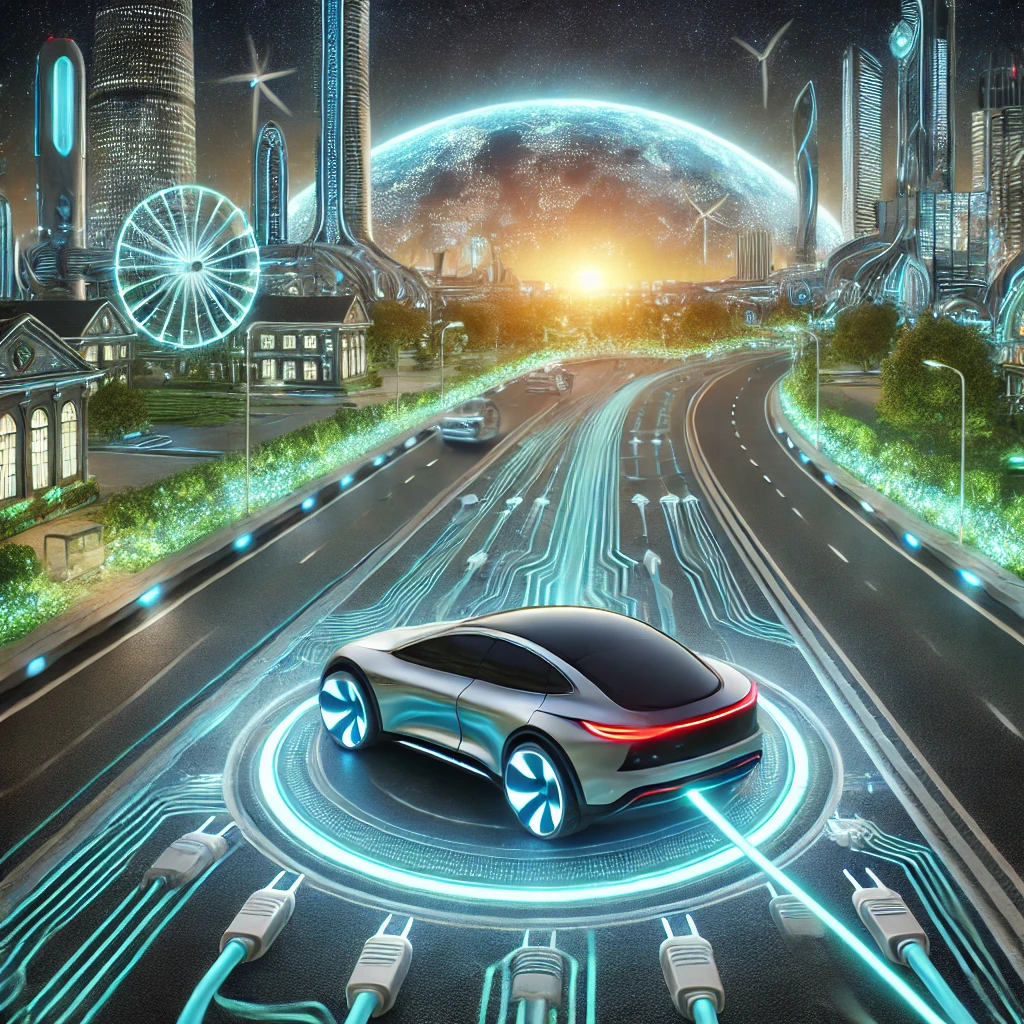
What Are Road-Charging Systems?
Road-charging systems, also known as dynamic wireless charging or in-motion charging, use advanced technology to transfer energy from the road to an EV’s battery. The process typically involves embedding coils or conductive strips into the road surface, which generate electromagnetic fields. When an EV equipped with compatible technology drives over or parks on these roads, the energy is transferred wirelessly to its battery.
This innovative approach eliminates the need for frequent stops at charging stations, allowing EV drivers to recharge their vehicles while continuing their journeys. Static charging solutions, where vehicles charge while stationary, are also part of the road-charging system concept and are ideal for parking lots, taxi stands, and public transportation hubs.
Benefits of Road-Charging Systems
The introduction of road-charging systems offers numerous benefits for EV drivers and the broader transportation network. One of the most significant advantages is the reduction of range anxiety. Knowing that their vehicle can recharge while on the move gives drivers confidence to embark on longer trips without worrying about finding a charging station.
Road-charging systems also enhance convenience by integrating charging into the natural flow of driving. This is particularly beneficial in urban areas with high traffic density, where stopping for long periods at a charging station may not be practical. For fleet operators, such as buses and delivery vehicles, dynamic charging ensures uninterrupted operation, maximizing efficiency and reducing downtime.
Another key benefit is sustainability. Road-charging systems can be powered by renewable energy sources, such as solar or wind, making the entire process cleaner and more environmentally friendly. This aligns with the goals of many cities in the US and Europe, which are working toward reducing emissions and promoting green mobility.
The Technology Behind the Innovation
The success of road-charging systems relies on several advanced technologies working together. Wireless power transfer, often using inductive charging technology, is at the core of these systems. This involves creating a magnetic field that transfers energy across a small gap between the road and the vehicle.
Energy management systems play a critical role in optimizing the charging process. These systems ensure that power is distributed efficiently across multiple vehicles, preventing overloads and maximizing energy use. Communication technologies, such as vehicle-to-grid (V2G) and vehicle-to-infrastructure (V2I) systems, enable real-time data exchange, allowing vehicles to communicate with the road and adjust charging rates as needed.
To make these systems widely accessible, standardization is essential. Automakers, technology providers, and governments are collaborating to develop universal standards that ensure compatibility across different vehicles and charging systems.
Challenges in Implementation
While the potential of road-charging systems is immense, their implementation comes with challenges. One of the primary hurdles is the cost of infrastructure development. Installing wireless charging technology into roads requires significant investment and planning, particularly in regions with older infrastructure.
Maintenance is another concern, as the embedded components must withstand wear and tear from heavy traffic and weather conditions. Ensuring that these systems remain functional over time will require robust materials and regular inspections.
Public acceptance and adoption also play a crucial role. Drivers and automakers must be willing to invest in vehicles equipped with compatible technology. Governments and industry stakeholders must work together to educate the public about the benefits of road-charging systems and provide incentives for adoption.
A Look at Progress in the US and Europe
In the US and Europe, several pilot projects and research initiatives are exploring the feasibility of road-charging systems. Countries like Sweden, Germany, and Italy have already implemented test tracks that demonstrate the effectiveness of dynamic wireless charging. In the US, similar projects are underway, with a focus on integrating renewable energy and improving scalability.
These initiatives are paving the way for broader deployment, with governments and private companies collaborating to address technical and financial challenges. By learning from pilot programs and scaling successful models, road-charging systems could become a key component of the EV ecosystem in the near future.
Driving Toward a Seamless Future
Road-charging systems have the potential to revolutionize EV mobility by making charging seamless, efficient, and eco-friendly. For drivers in the US and Europe, this technology promises a future where EVs can travel long distances without the need to stop and recharge, enhancing convenience and reducing reliance on traditional charging stations.
As the technology evolves and infrastructure expands, road-charging systems will play a vital role in supporting the transition to electric mobility. They are more than just a solution to range anxiety—they represent a bold vision for a connected, sustainable, and electrified future. By investing in innovation today, we can drive toward a world where clean energy powers every journey, and mobility becomes smarter and more sustainable for all.


