The rise of electric vehicles (EVs) has transformed the way we think about transportation, offering a cleaner and more efficient alternative to traditional gasoline-powered cars. However, the true environmental impact of EVs depends largely on how the electricity used to charge them is generated. This is where renewable energy comes into play, offering a sustainable solution that aligns perfectly with the eco-friendly goals of EV adoption.
In the US and Europe, governments, businesses, and individuals are increasingly focusing on charging EVs using renewable energy sources such as solar, wind, and hydropower. This approach not only reduces carbon emissions but also supports the global transition to a greener energy future.
Why Renewable Energy Matters for EV Charging
While EVs produce zero tailpipe emissions, the electricity used to charge them often comes from a mix of energy sources, including fossil fuels. In regions where coal or natural gas dominate the grid, the environmental benefits of EVs can be diminished. Charging EVs with renewable energy addresses this issue, ensuring that the power fueling the vehicles is as clean as the vehicles themselves.
Renewable energy sources like solar and wind are abundant, sustainable, and increasingly cost-competitive. By tapping into these resources for EV charging, drivers can further reduce their carbon footprint and contribute to the fight against climate change.
Solar-Powered EV Charging
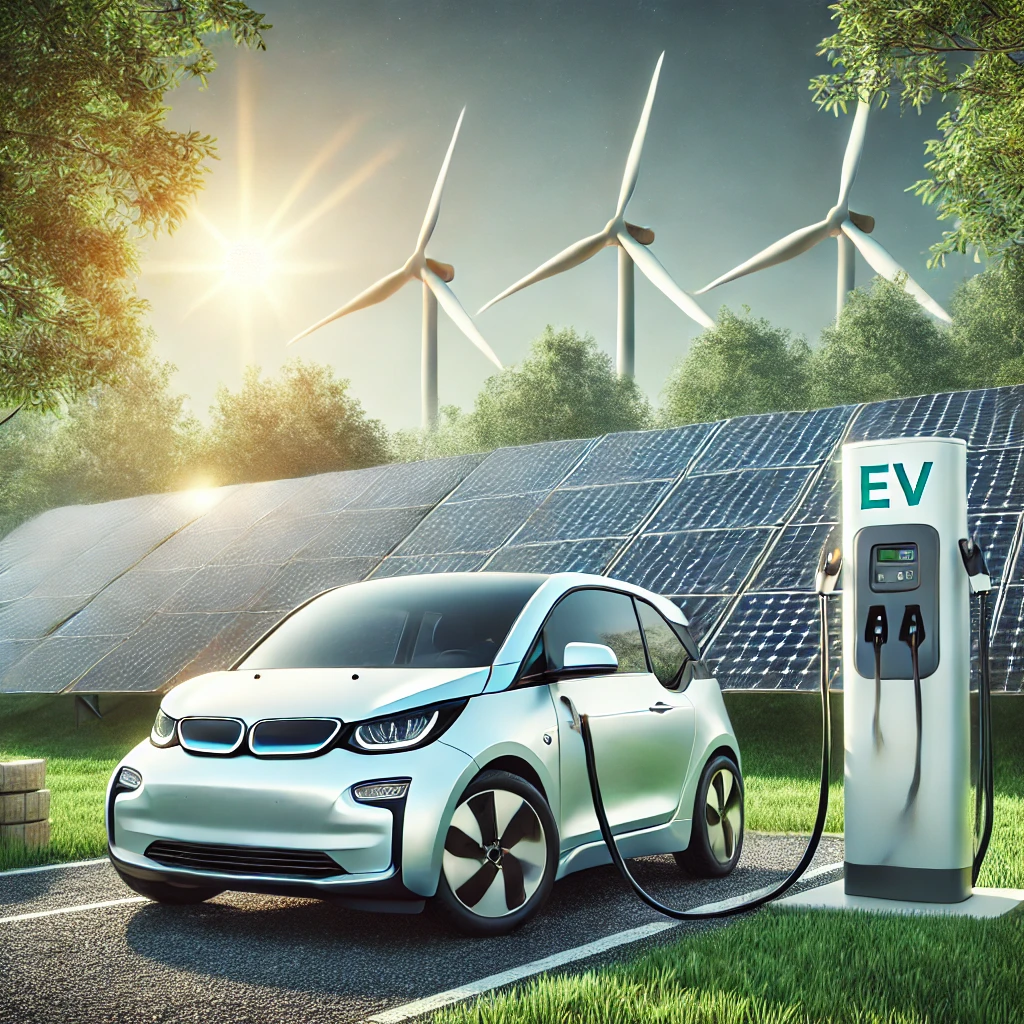
One of the most promising ways to charge EVs with renewable energy is through solar power. Homeowners with solar panels can generate their own electricity, using it to power their EVs while reducing reliance on the grid. This setup is not only environmentally friendly but also cost-effective, as it allows drivers to avoid fluctuating electricity prices.
For businesses and public spaces, solar-powered charging stations are becoming increasingly popular. These stations often feature solar canopies that generate electricity directly on-site, making them ideal for parking lots, shopping centers, and highway rest areas. In Europe, where sustainability is a key focus, many cities are investing in solar charging infrastructure to support their green energy goals.
Wind Energy for EVs
Wind energy is another powerful ally in the push for renewable EV charging. In countries like the US, where wind power is abundant, utilities are incorporating wind energy into their grids to supply clean electricity. Europe, particularly in regions like Scandinavia and the UK, has also embraced wind energy as a major contributor to the energy mix.
By charging their vehicles during periods of high wind energy production, EV owners can take advantage of cleaner power while supporting the integration of renewables into the grid. Some utilities even offer programs that allow customers to choose renewable energy options for their electricity supply, making it easier for drivers to align their charging habits with their environmental values.
Hydropower and EV Charging
Hydropower is a long-standing renewable energy source that plays a significant role in powering EVs in regions with access to abundant water resources. Countries like Norway, which generates the majority of its electricity from hydropower, have become global leaders in EV adoption, demonstrating the synergy between clean energy and electric mobility.
By integrating hydropower into the energy mix, utilities in the US and Europe can provide a stable and renewable source of electricity for EV charging. This not only supports environmental goals but also ensures a reliable power supply for drivers.
Challenges and Solutions
While charging EVs with renewable energy offers significant benefits, there are challenges to address. One key issue is the intermittent nature of renewable energy sources like solar and wind, which depend on weather conditions. This can lead to fluctuations in energy supply, particularly during periods of low sunlight or wind.
To overcome this, energy storage systems such as batteries are being integrated into renewable energy setups. These systems store excess power generated during peak production times, ensuring a consistent energy supply for EV charging even when renewable generation is low.
Another challenge is expanding the infrastructure needed to support renewable energy charging. Governments and private companies are addressing this by investing in charging stations powered by renewables and offering incentives for individuals and businesses to adopt green energy solutions.
The Role of Policy and Innovation
Strong policy frameworks and technological advancements are driving the integration of renewable energy and EV charging. In Europe, initiatives like the European Green Deal are encouraging the expansion of clean energy infrastructure. Similarly, in the US, federal and state programs are incentivizing renewable energy projects and supporting the growth of EV adoption.
Innovation is also playing a key role in making renewable energy more accessible and efficient. Smart grids, AI-driven energy management systems, and next-generation batteries are enabling better integration of renewables into the charging ecosystem, ensuring a seamless experience for EV owners.
A Greener Road Ahead
Charging EVs with renewable energy is more than just a step toward sustainability—it’s a leap into a cleaner and smarter future. By combining the benefits of electric mobility with the power of renewable energy, the US and Europe are setting the stage for a transportation revolution that prioritizes both the planet and the people.
For drivers, this means not only cleaner air and reduced emissions but also the opportunity to actively participate in the transition to renewable energy. By choosing solar, wind, or hydropower for EV charging, every charge becomes a step toward a greener world. As renewable energy and EV technologies continue to evolve, the road ahead is bright, clean, and full of possibilities.