Electric vehicles (EVs) are transforming the way we move, offering a cleaner, more sustainable alternative to traditional cars. As the number of EVs on the road grows in the US and Europe, the demand for efficient and intelligent charging solutions is also rising. Enter smart charging grids, a revolutionary approach to EV charging that promises to optimize energy use, reduce costs, and support the transition to a greener energy future.
Smart charging grids are more than just a technological upgrade—they represent a shift in how we think about energy and mobility. By connecting EVs, charging stations, and the electrical grid in an intelligent network, these systems ensure that power is distributed efficiently and sustainably. Let’s explore how smart charging grids work and why they are essential for the future of EVs.
What Are Smart Charging Grids?
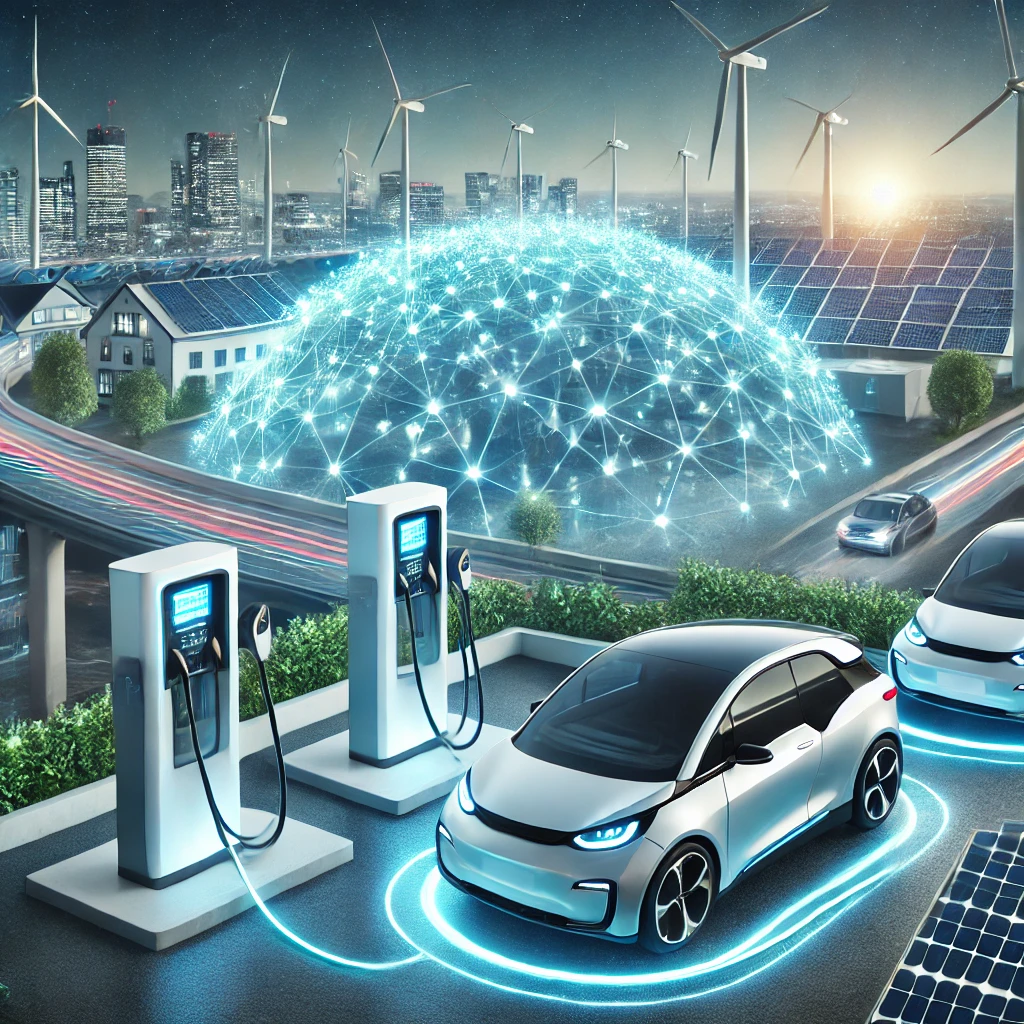
Smart charging grids are advanced networks that integrate EV charging infrastructure with the electrical grid. They use cutting-edge technologies like artificial intelligence, real-time data analytics, and IoT connectivity to manage the flow of electricity in a way that benefits both EV owners and energy providers.
Unlike traditional charging systems, which operate independently, smart grids communicate with the grid to determine the best times to charge EVs based on factors like energy demand, grid capacity, and renewable energy availability. This dynamic approach helps balance the grid, reduce strain during peak hours, and maximize the use of clean energy sources.
For EV owners, smart charging grids offer flexibility and convenience. They allow drivers to schedule charging sessions during off-peak hours when electricity is cheaper, saving money while ensuring their vehicles are ready to go when needed. Additionally, these grids enable bi-directional charging, where EVs can return excess energy to the grid, turning vehicles into mobile energy storage units.
Supporting Renewable Energy Integration
One of the most significant benefits of smart charging grids is their ability to integrate renewable energy into the charging process. In the US and Europe, wind and solar power are becoming key components of the energy mix. However, these sources can be intermittent, producing energy only when the sun shines or the wind blows.
Smart charging grids address this challenge by aligning EV charging with renewable energy production. For example, during sunny or windy periods, the grid can prioritize charging EVs to take advantage of surplus green energy. This reduces reliance on fossil fuels and helps achieve emissions reduction targets.
In regions with advanced renewable energy infrastructure, smart grids can also store excess energy in EV batteries for later use. This not only supports grid stability but also ensures that renewable energy doesn’t go to waste, further enhancing the sustainability of electric mobility.
Reducing Strain on the Electrical Grid
As EV adoption accelerates, the pressure on existing electrical grids is increasing. Without intelligent management, simultaneous charging during peak hours could lead to grid congestion, blackouts, or the need for costly infrastructure upgrades.
Smart charging grids solve this problem by distributing energy more evenly. They analyze real-time grid conditions and adjust charging schedules accordingly, ensuring that demand stays within manageable levels. For example, a smart grid might prioritize charging EVs in one neighborhood while delaying charging in another, based on current energy availability.
By optimizing energy use, smart grids also reduce the need for additional power plants and transmission lines, saving costs for utilities and consumers alike. This makes EV adoption more scalable and supports the long-term growth of electric mobility.
Empowering EV Owners with Smart Features
Smart charging grids come with a range of features that enhance the EV ownership experience. Mobile apps and digital platforms allow drivers to monitor charging status, set preferences, and access real-time information about energy pricing. These tools make it easy to schedule charging sessions when electricity is cheapest or when renewable energy is most abundant.
Bi-directional charging, another key feature of smart grids, turns EVs into active participants in the energy ecosystem. During times of high demand, EV owners can sell stored energy back to the grid, earning money while helping to stabilize the system. This concept, known as vehicle-to-grid (V2G) technology, is already being piloted in parts of Europe and the US and has the potential to revolutionize the way we think about energy.
The Role of Policy and Innovation
The success of smart charging grids depends on strong policies and innovative technologies. Governments in the US and Europe are supporting this transition through investments in smart grid infrastructure, incentives for EV owners, and regulations that encourage renewable energy use.
Private companies are also playing a crucial role by developing advanced software, hardware, and connectivity solutions that make smart grids possible. Collaborations between automakers, utilities, and tech firms are accelerating the deployment of these systems, bringing the benefits of smart charging to more drivers every day.
Driving Toward a Smarter Future
Smart charging grids are more than just a solution to the challenges of EV adoption—they are a foundation for the future of sustainable transportation. By optimizing energy use, supporting renewable integration, and empowering EV owners with intelligent tools, these systems are making electric mobility more practical and appealing for drivers across the US and Europe.
As EVs continue to reshape the automotive landscape, smart charging grids will play a pivotal role in ensuring that the transition is efficient, affordable, and environmentally friendly. For drivers, businesses, and communities alike, this innovation marks a significant step toward a smarter, greener future on the road.