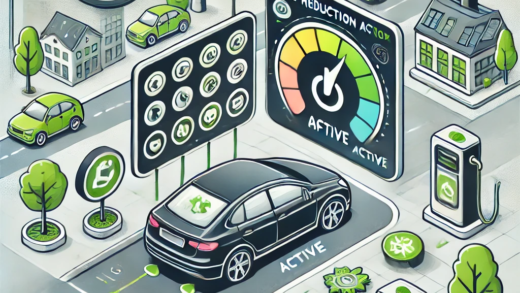
Electric vehicles (EVs) are often celebrated as a cleaner, greener alternative to traditional gasoline-powered cars. However, as EV adoption grows across the US and Europe, questions about the environmental impact of their production—particularly the batteries that power them—have come to the forefront. Understanding the challenges and opportunities associated with EV battery production is essential for making informed choices about the future of sustainable transportation.
EV Batteries: The Heart of Electric Mobility
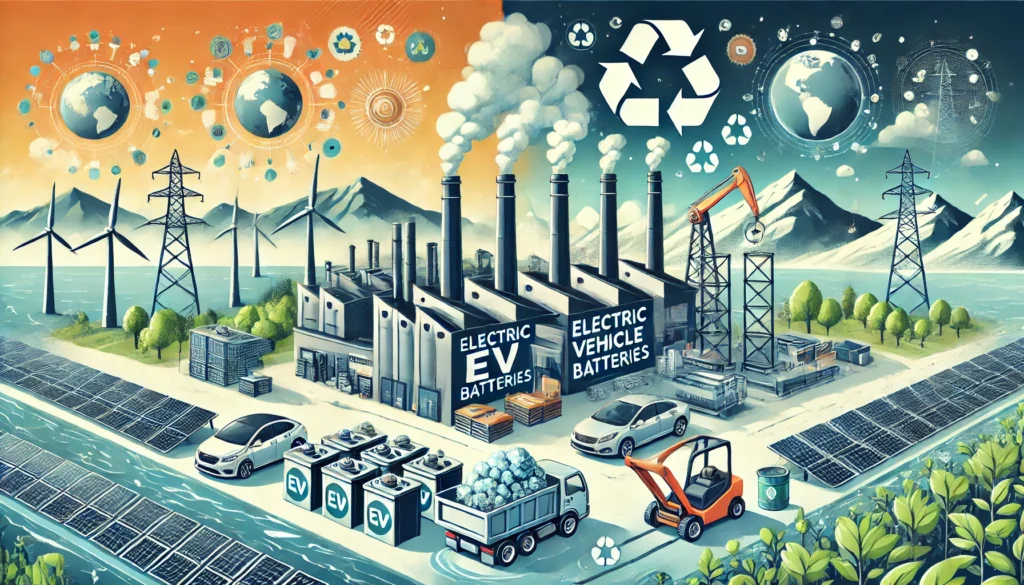
At the core of every EV lies its battery, typically a lithium-ion unit similar to those used in smartphones and laptops, but on a much larger scale. These batteries are crucial for powering the vehicle and determining its range, performance, and efficiency. However, the production of EV batteries involves mining and processing raw materials, which can have significant environmental consequences.
Key materials used in EV batteries include lithium, cobalt, and nickel. These elements are mined from the earth, refined, and manufactured into battery cells. While EVs eliminate tailpipe emissions during use, the environmental footprint of extracting and processing these materials is a point of concern.
Mining and Resource Extraction
The mining of raw materials like lithium and cobalt has raised environmental and ethical concerns. Lithium extraction, for example, often requires significant amounts of water, which can strain local ecosystems in arid regions where much of the world’s lithium is sourced. Cobalt mining has faced scrutiny for its environmental degradation and the use of unethical labor practices in some regions.
Nickel mining, while less controversial than cobalt, still presents challenges, including energy-intensive processes that contribute to greenhouse gas emissions. The environmental impact of mining operations underscores the need for sustainable practices and alternatives that reduce dependency on scarce resources.
The Carbon Footprint of Battery Production
The production of EV batteries is an energy-intensive process, contributing to carbon emissions. Studies have shown that battery manufacturing can account for a significant portion of an EV’s total environmental impact. However, these emissions are largely offset during the vehicle’s use, as EVs generate far fewer greenhouse gases compared to internal combustion engine vehicles.
The energy source used in battery production facilities also plays a significant role. Facilities powered by renewable energy have a much smaller carbon footprint than those relying on fossil fuels. In the US and Europe, automakers and battery manufacturers are increasingly investing in renewable energy to power their production lines, reducing the overall environmental impact.
Recycling and Second-Life Opportunities
One of the most promising solutions to the environmental challenges of EV battery production is recycling. By recovering valuable materials from used batteries, manufacturers can reduce the need for raw material extraction and minimize waste. Advanced recycling methods are being developed to extract lithium, cobalt, nickel, and other components with high efficiency.
Beyond recycling, batteries that no longer meet the performance standards for EVs can be repurposed for other uses. These “second-life” applications include energy storage systems for homes and businesses, helping to integrate renewable energy sources like solar and wind into the grid. Repurposing batteries extends their lifespan, further reducing their environmental impact.
Innovations in Sustainable Battery Technology
The EV industry is actively exploring alternatives to traditional lithium-ion batteries to address sustainability concerns. Solid-state batteries, for instance, promise higher energy density, improved safety, and reduced reliance on rare materials. These advancements could significantly reduce the environmental footprint of future EVs.
Another area of innovation involves sourcing materials from ethical and environmentally responsible suppliers. Automakers and battery manufacturers in the US and Europe are adopting transparent supply chain practices to ensure that the materials they use are sourced sustainably and ethically.
Comparing EVs to Gasoline-Powered Cars
While the production of EV batteries has environmental challenges, it’s important to consider the full lifecycle of a vehicle. Studies consistently show that EVs have a smaller environmental impact over their lifetime compared to gasoline-powered cars, thanks to their lower operational emissions. As the electricity grid becomes cleaner in the US and Europe, the carbon footprint of EVs continues to shrink.
Gasoline-powered vehicles, on the other hand, produce emissions throughout their entire lifecycle, from extracting and refining oil to burning fuel. EVs, even with their battery production footprint, offer a more sustainable alternative when considering long-term environmental impact.
The Path Toward Sustainable EVs
As the EV market expands, the focus on sustainability will only grow stronger. Governments, automakers, and researchers in the US and Europe are working together to address the environmental challenges associated with battery production. Initiatives include investing in renewable energy, improving recycling infrastructure, and accelerating the development of next-generation battery technologies.
For consumers, understanding the environmental impact of EV battery production is an important step in making informed decisions about sustainable transportation. While no technology is without its challenges, the strides being made toward greener battery production demonstrate the commitment to a cleaner, more sustainable future.
The road ahead is clear: with continued innovation and collaboration, EVs are poised to become even more environmentally friendly, offering a powerful solution to reduce emissions and protect our planet for generations to come.