The automotive industry is undergoing a transformative shift, with electric vehicles (EVs) taking center stage. The recent joint venture between Volkswagen, a global automotive powerhouse, and Rivian, an innovative EV startup, has sparked significant interest and speculation. This partnership signals a bold step forward for sustainable transportation in the US and Europe, but it also raises questions about what this collaboration means for competitors like Tesla and Ford.
A Game-Changing Partnership
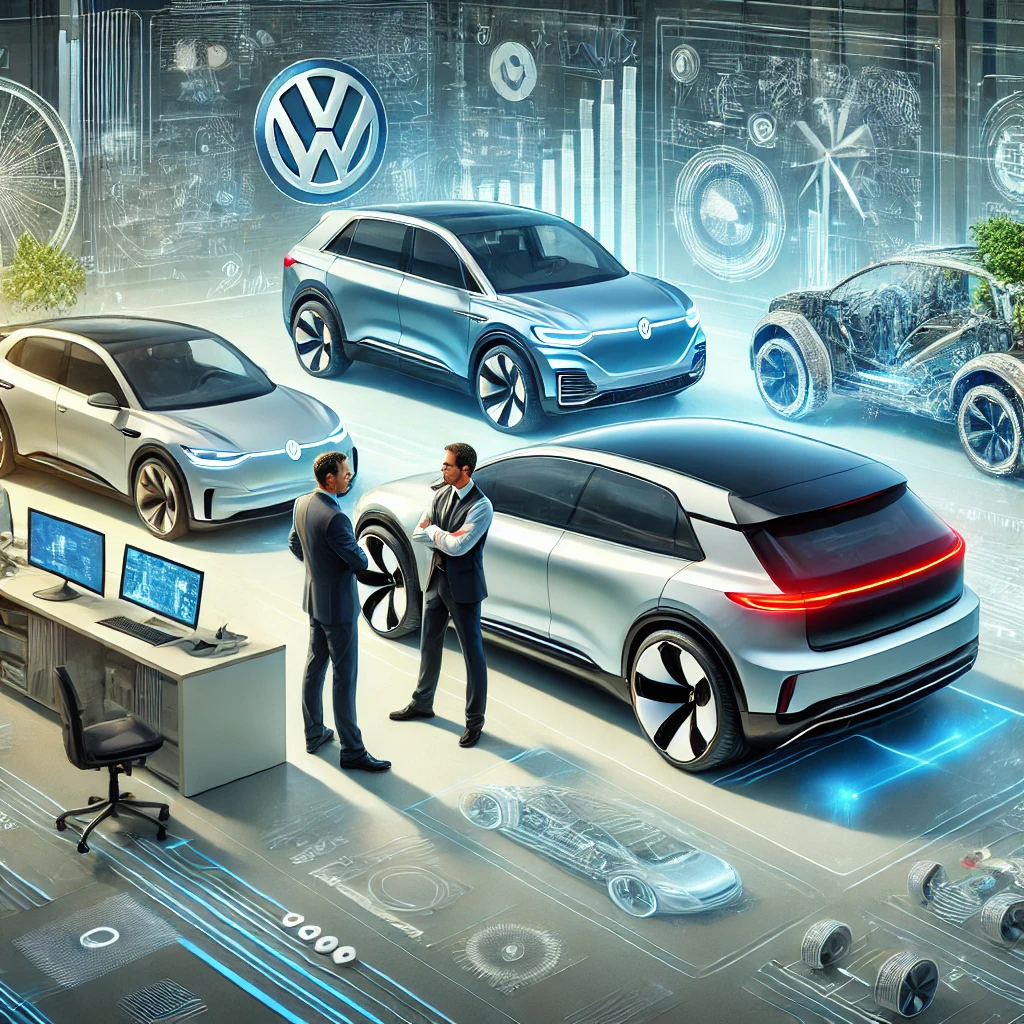
Volkswagen and Rivian’s partnership is a strategic alignment of legacy and innovation. Volkswagen brings decades of experience in automotive production, a global supply chain, and established credibility. Rivian, known for its rugged electric trucks and SUVs, brings cutting-edge technology, agility, and a fresh perspective. Together, they aim to accelerate the development of EV technology, expand infrastructure, and make EVs more accessible to consumers.
This collaboration sends a clear message to the industry: the competition in the EV market is intensifying, and even established players must innovate to stay ahead. The partnership is not just about building vehicles—it’s about reshaping the EV landscape and setting new standards for efficiency, sustainability, and affordability.
Tesla: Maintaining the First-Mover Advantage
Tesla has long been the frontrunner in the EV market, leading the charge with groundbreaking technology, extensive charging infrastructure, and a devoted customer base. However, the Volkswagen-Rivian partnership introduces a new dynamic. With Volkswagen’s manufacturing scale and Rivian’s innovative designs, this joint venture could challenge Tesla’s dominance, particularly in the US and Europe.
Tesla’s first-mover advantage gives it an edge, but competitors like Volkswagen and Rivian are catching up quickly. Their combined strengths may allow them to close the gap in key areas like production capacity, affordability, and accessibility. As more players enter the market, Tesla will likely need to double down on its innovation and customer experience to maintain its lead.
Another area where this partnership may put pressure on Tesla is in affordability. Rivian’s technology and Volkswagen’s economies of scale could lead to cost-effective EVs that appeal to a broader audience, something Tesla has struggled with despite its Model 3. The competition could push Tesla to accelerate its plans for more affordable models or refine its existing lineup.
Ford: Facing Challenges on Multiple Fronts
Ford, another major competitor, has been making strides in the EV market with its popular F-150 Lightning and Mustang Mach-E. However, the Volkswagen-Rivian partnership introduces significant competition, especially in the truck and SUV segments where Rivian has already made a name for itself.
Ford’s strength lies in its deep understanding of the American market, particularly in the truck segment. The F-150 Lightning has been a strong contender, but Rivian’s innovative designs and Volkswagen’s manufacturing power could pose a serious challenge. With the two companies working together, they have the potential to create electric trucks and SUVs that rival Ford’s offerings in terms of performance, range, and affordability.
The joint venture also underscores the importance of infrastructure, an area where Ford has room for improvement. Volkswagen’s expertise in developing charging networks, combined with Rivian’s innovative battery technology, could give their partnership an edge in creating a seamless customer experience. To compete effectively, Ford may need to ramp up its efforts in expanding charging infrastructure and refining its EV technology.
The Broader Impact on the EV Industry
The Volkswagen-Rivian partnership is not just a challenge to Tesla and Ford—it’s a wake-up call for the entire automotive industry. As the EV market becomes more competitive, automakers must prioritize innovation, sustainability, and customer-centric solutions to stay relevant.
For Tesla, this means staying ahead of the curve by continuing to innovate in battery technology, autonomous driving, and charging infrastructure. For Ford, it highlights the need to leverage its strong brand loyalty and legacy while pushing harder into EV innovation. Other automakers in the US and Europe are also likely to feel the pressure, as the bar for quality, affordability, and sustainability continues to rise.
A Win for Consumers and the Planet
While the competition between Volkswagen, Rivian, Tesla, Ford, and others may seem intense, the ultimate winners are consumers and the environment. Increased competition drives innovation, leading to better technology, more affordable options, and improved infrastructure. It also accelerates the transition to sustainable transportation, which benefits the planet.
For consumers in the US and Europe, the Volkswagen-Rivian partnership means more choices, lower costs, and access to cutting-edge EVs. For the industry, it’s a sign that the race to lead the EV revolution is far from over. And for the environment, it’s another step toward reducing emissions and building a cleaner, greener future.
As Volkswagen and Rivian continue to build on their joint venture, the impact on competitors like Tesla and Ford will be closely watched. One thing is certain: the EV market is heating up, and the race to lead this revolution has only just begun.