Social media has become an indispensable tool for businesses across industries, and the automotive sector is no exception. In the U.S. and Europe, automakers and dealerships are increasingly leveraging social platforms to connect with consumers, build brand loyalty, and drive sales. From Instagram-worthy car launches to influencer partnerships, social media is redefining how the automotive industry markets its products.
Connecting With Today’s Digital Consumers
Today’s car buyers spend a significant amount of time online researching their options before making a purchase. Social media platforms like Instagram, Facebook, Twitter, and TikTok have become crucial touchpoints for engaging these digital-savvy consumers. Automakers are using these platforms to showcase new models, highlight features, and share stories that resonate with their target audiences.
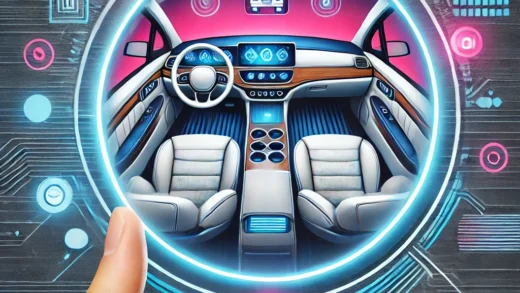
Visual storytelling plays a big role in this strategy. Platforms like Instagram and Pinterest, with their focus on images and videos, allow brands to create eye-catching content that captures attention. A sleek video of a car cruising through scenic landscapes or a detailed walkthrough of a new model’s interior features can spark interest and inspire potential buyers to take the next step.
Building Trust Through Authentic Engagement
Social media allows automotive brands to interact directly with their audiences, creating a sense of trust and authenticity. Responding to comments, answering questions, and participating in conversations show that a brand values its customers and is willing to engage with them on a personal level.
In Europe, where sustainability is a key concern, brands are using social platforms to discuss their green initiatives and highlight electric vehicle (EV) offerings. In the U.S., automakers are connecting with audiences by emphasizing innovation, technology, and lifestyle-oriented content. This kind of authentic engagement helps build a loyal customer base while making the brand more relatable.
User-generated content is another powerful tool in building trust. Encouraging customers to share photos and experiences with their vehicles not only provides free marketing but also creates a community of passionate brand advocates. A simple hashtag campaign or a call-to-action asking customers to post their car adventures can result in a flood of positive content that boosts the brand’s reputation.
Influencers Driving the Conversation
Influencers play a central role in automotive social media strategies. These individuals, with their large and dedicated followings, have the power to shape opinions and influence purchasing decisions. Collaborating with influencers who align with the brand’s values can be an effective way to reach specific demographics.
For example, a lifestyle influencer might highlight how an SUV is perfect for family road trips, while a tech-focused creator might dive into the innovative features of a new electric vehicle. In Europe, influencers often spotlight the environmental benefits of EVs, aligning with the region’s emphasis on sustainability. In the U.S., influencers may focus on performance, luxury, or adventure, depending on the vehicle.
Micro-influencers—those with smaller but highly engaged audiences—are also becoming a popular choice. These creators often have a stronger connection with their followers, making their endorsements feel more genuine. Whether it’s a short TikTok review or a detailed YouTube vlog, influencer content can generate significant interest and drive traffic to dealerships and brand websites.
Data-Driven Campaigns for Maximum Impact
One of the biggest advantages of social media marketing is the ability to track and analyze performance in real time. Platforms like Facebook and Instagram provide detailed insights into how campaigns are performing, from engagement rates to conversion metrics. This data allows automotive marketers to refine their strategies and deliver content that resonates with their audience.
In the U.S. and Europe, targeting capabilities on social media are also helping brands reach the right customers. By leveraging demographic data, interests, and behavior, automakers can create highly personalized campaigns. For instance, an EV manufacturer can target environmentally conscious users, while a luxury car brand can focus on high-income households. This precision ensures that marketing budgets are used effectively, delivering better returns on investment.
Social Media’s Role in Driving Sales
While social media is often viewed as a tool for building brand awareness, it also plays a critical role in driving sales. Many platforms now offer integrated shopping features, making it easier for users to explore, configure, and even purchase vehicles online. Virtual test drives, live Q&A sessions, and direct links to dealership websites are helping streamline the customer journey.
In Europe, where digital adoption is particularly high, automakers are using platforms like Instagram and Facebook to offer immersive buying experiences. In the U.S., car brands are tapping into TikTok trends and influencer collaborations to drive traffic and generate leads. This seamless integration of content and commerce is redefining the traditional car-buying process.
The Road Ahead
Social media has become more than just a marketing tool for the automotive industry—it’s a key driver of innovation and growth. By using these platforms to connect with audiences, build trust, and drive engagement, automakers in the U.S. and Europe are staying ahead in an increasingly competitive market.
As technology continues to evolve and new platforms emerge, the role of social media in automotive marketing will only grow stronger. For brands that embrace this shift, the opportunities are limitless, paving the way for deeper connections with customers and greater success on the digital stage.