Making the switch from a gasoline-powered car to an electric vehicle (EV) is an exciting and environmentally conscious decision. However, it also comes with a learning curve as you adapt to a new way of driving and maintaining your vehicle. In the US, where EV infrastructure is rapidly growing, the transition can feel smoother with the right insights. Let’s explore the most important changes you’ll encounter when trading in your gas guzzler for an EV.
Charging Instead of Refueling
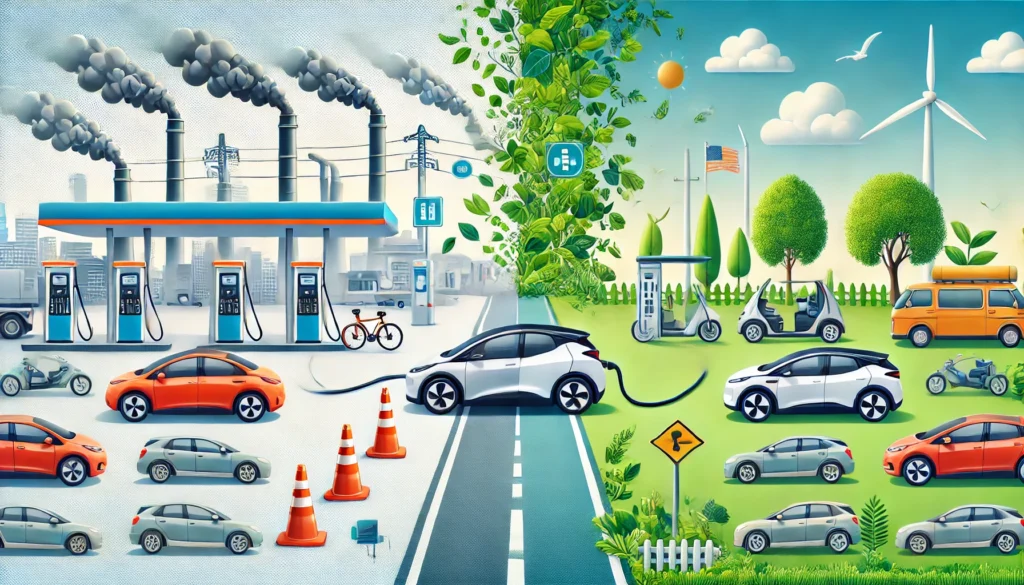
One of the first differences you’ll notice when switching to an EV is replacing gas stations with charging stations. Unlike gasoline cars, which require regular trips to the pump, EVs rely on electric charging from home setups, public stations, or high-speed chargers. In the US, networks like Tesla Superchargers, Electrify America, and ChargePoint are expanding rapidly, making it easier to find charging locations.
Charging times vary based on your charger type. Home Level 1 chargers can take several hours, while public Level 3 chargers (fast chargers) can power your car in under an hour. This shift in fueling habits means you’ll need to plan trips more thoughtfully, especially for longer journeys.
Driving Range Awareness
Gasoline vehicles are known for their consistent range, typically over 300 miles on a full tank. While many modern EVs, such as the Tesla Model Y or Ford Mustang Mach-E, now boast comparable ranges, being aware of your battery’s capacity is crucial. EV drivers often develop a habit of monitoring range, especially in areas where charging stations are less frequent.
Planning becomes second nature, especially for road trips. Fortunately, apps like PlugShare or your car’s built-in Apple CarPlay features help locate nearby chargers and provide real-time updates about their availability.
Regenerative Braking
Another significant change is how braking works in an EV. Unlike traditional gasoline cars, many EVs use regenerative braking systems to recover energy while slowing down. This feature helps recharge the battery during deceleration, improving efficiency.
For new EV drivers, regenerative braking can feel different at first. When you lift your foot off the accelerator, the car slows down more aggressively compared to coasting in a gasoline car. This one-pedal driving experience may take some getting used to, but it soon becomes a favorite feature for many, offering smoother stops and better control.
Lower Maintenance Requirements
Gasoline cars require regular oil changes, engine tune-ups, and emissions testing, all of which are unnecessary for EVs. With fewer moving parts and no internal combustion engine, EVs have significantly lower maintenance requirements. Say goodbye to oil changes and exhaust repairs!
However, EVs still need some upkeep, like tire rotations and brake checks. The main focus shifts to ensuring the battery remains in good health. For US drivers, many automakers offer long-term warranties on EV batteries, providing added peace of mind.
Cost Savings and Incentives
Switching to an EV can have a positive impact on your wallet, thanks to reduced fueling and maintenance costs. Electricity is typically cheaper than gasoline in the US, and charging at home is often the most economical option. Additionally, many states offer incentives and tax credits for purchasing electric vehicles, making the upfront cost more affordable.
Programs like the federal EV tax credit, along with state-specific rebates, encourage drivers to go electric. Pair these with savings from avoiding rising gas prices, and the financial benefits become even clearer.
Embracing Technology
Driving an EV often means stepping into a more tech-savvy experience. EVs are packed with advanced features, including Apple CarPlay setups for seamless smartphone integration. From navigation to hands-free calls, CarPlay-compatible cars make it easy to stay connected while keeping your focus on the road.
Additionally, many EVs come with smart apps that allow you to monitor charging, adjust climate controls, and even pre-condition your car remotely. These conveniences highlight the shift from traditional mechanics to digital ecosystems.
The Environmental Impact
Finally, one of the most rewarding aspects of switching to an EV is the environmental impact. By driving an EV, you significantly reduce your carbon footprint and help combat climate change. In the US, where efforts to expand renewable energy are growing, charging your car with solar or wind energy further amplifies the environmental benefits.
Conclusion
Switching from a gasoline car to an EV is a transformative experience that requires adjusting to new habits but offers a host of benefits. From learning to charge instead of refueling to embracing regenerative braking and modern tech features like Apple CarPlay, the shift is both exciting and rewarding. With lower maintenance costs, financial incentives, and environmental advantages, EVs are quickly becoming the future of driving in the US. Embrace the change and enjoy the ride!