As more drivers in the U.S. consider eco-friendly options, hybrid vehicles have become a popular choice. While they offer impressive fuel efficiency and reduced emissions, many potential buyers wonder why hybrids tend to carry a higher price tag compared to traditional gasoline cars. In this blog, we’ll explore the reasons behind this cost difference and how it impacts the overall ownership experience.
Advanced Technology Under the Hood
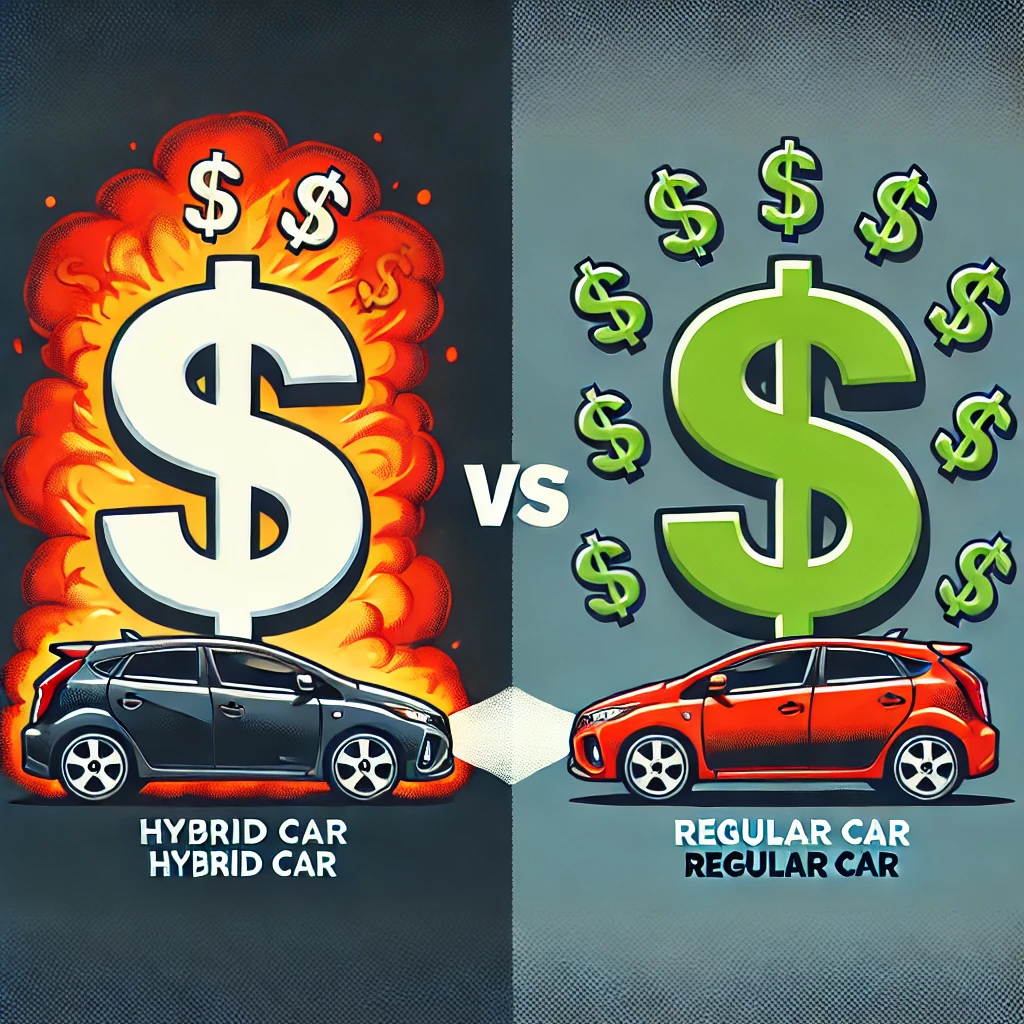
One of the primary reasons hybrid vehicles are more expensive than conventional cars is the advanced technology they incorporate. A hybrid vehicle features both an internal combustion engine and an electric motor, which requires additional components such as a larger battery and sophisticated power management systems. This dual-power setup contributes to the higher production costs associated with hybrids.
For example, hybrid batteries are a critical component and often utilize lithium-ion technology, which can be costly to manufacture. As automakers invest in research and development to enhance battery performance and longevity, these expenses are often passed on to consumers in the form of higher prices. Additionally, the engineering and design involved in integrating both systems require significant expertise, further driving up production costs.
Fuel Efficiency and Long-Term Savings
While the initial price of a hybrid may be higher, it’s essential to consider the long-term savings associated with fuel efficiency. Hybrid vehicles typically achieve significantly better gas mileage than traditional cars, which can lead to substantial savings at the pump over time. With fluctuating gas prices, the efficiency of hybrids makes them an appealing option for budget-conscious drivers.
Moreover, many states offer incentives for purchasing hybrids, including tax rebates and reduced registration fees. These incentives can help offset the higher upfront costs, making hybrids more financially attractive in the long run. However, potential buyers should evaluate their driving habits and calculate whether these savings align with the higher initial investment.
Higher Resale Values
Another factor contributing to the cost difference is the higher resale value of hybrid vehicles. As environmental concerns become increasingly prominent, more consumers are willing to pay a premium for used hybrids. Their reputation for fuel efficiency and reduced emissions enhances their appeal in the second-hand market, often resulting in higher resale values compared to regular cars.
When considering a hybrid, it’s important to factor in the vehicle’s expected resale value. This can help offset the initial cost, making the overall ownership experience more economical. For those looking for long-term value, hybrids often make sense as they retain their worth better than many conventional vehicles.
Maintenance and Repairs
While hybrid vehicles are generally reliable, their maintenance and repair costs can sometimes be higher than those of regular cars. This is partly due to the specialized knowledge required for servicing hybrid systems. For instance, technicians must be trained to work on both the electric and combustion components of hybrids. This specialized training can lead to higher labor costs when servicing these vehicles.
However, it’s worth noting that hybrids often experience less wear and tear on their internal combustion engines because the electric motor can take on some of the workload. This means that, in some cases, hybrids can have lower long-term maintenance costs. Still, the higher upfront service costs should be factored into your purchasing decision.
Technological Features and Amenities
Hybrids often come equipped with a range of advanced technological features, many of which are designed to enhance fuel efficiency and driving comfort. For instance, hybrid vehicles frequently include regenerative braking systems that capture energy during braking and use it to recharge the battery. Such features, while beneficial, add to the overall production costs.
In addition, many hybrids are now compatible with modern infotainment systems, including the popular Apple CarPlay setup. This allows drivers to seamlessly integrate their smartphones for navigation, music, and communication. Features like Apple CarPlay and other high-tech options are often standard in hybrids, making them more appealing but also contributing to the higher price tag.
Conclusion
While it’s clear that hybrids typically come with a higher initial cost compared to traditional gasoline cars, several factors contribute to this price difference. The advanced technology, enhanced fuel efficiency, and strong resale values make hybrids a compelling choice for many drivers. Additionally, the technological features included in hybrids, such as Apple CarPlay compatibility, add both convenience and appeal.
As more consumers turn to environmentally friendly options, understanding the value of hybrids can help make informed purchasing decisions. For many, the benefits of owning a hybrid vehicle—combined with potential savings at the pump and incentives—make the investment worthwhile in the long run. By weighing these factors, potential buyers can determine whether a hybrid is the right choice for their needs and budget.