In 2024, car security is rapidly evolving as biometric authentication is becoming a popular feature in the automotive industry. From fingerprint car access to facial recognition, this technology is shifting the way we think about vehicle security, convenience, and personalization. In the U.S., automakers are embracing biometrics to offer drivers enhanced protection and a seamless driving experience. Let’s explore how biometric car entry is revolutionizing the industry and what it means for drivers in the coming years.

What is Biometric Authentication in Cars?
Biometric authentication is the process of using unique physical characteristics, such as fingerprints, facial features, or even voice patterns, to verify an individual’s identity. In recent years, this technology has made its way into smartphones, banking systems, and home security, and now it’s becoming a standard feature in vehicles.
Biometric car entry uses fingerprint, facial recognition, or even iris scanning to grant access to a vehicle. Instead of relying on traditional keys or fobs, drivers can simply use their biometric data to unlock and start their cars. In 2024, this innovation is gaining traction in the U.S., as automakers and tech companies collaborate to provide cars that are more secure and user-friendly.
Enhancing Vehicle Security with Biometrics
Security is one of the primary reasons for adopting biometric authentication in vehicles. Traditional car keys and fobs can be lost, stolen, or hacked, leaving vehicles vulnerable to theft. With biometric systems, only authorized users with registered fingerprints or facial data can access the vehicle, significantly reducing the risk of unauthorized entry.
For instance, fingerprint car access is already being implemented by luxury car manufacturers like Mercedes-Benz and Tesla. These systems ensure that only the rightful owner and other authorized users can operate the vehicle. Additionally, unlike traditional keys, biometric data is almost impossible to duplicate, making it one of the most secure forms of authentication available.
In the U.S., where car theft remains a concern in certain regions, biometric car entry could be a game-changer in preventing vehicle theft. With its superior security, this technology provides drivers with peace of mind, knowing their vehicles are protected against unauthorized access.
The Convenience of Biometric Car Entry
While security is a significant benefit, the convenience offered by biometric authentication in cars is equally impressive. Forgetting or losing car keys is a common frustration among drivers, but with biometric systems, this issue becomes a thing of the past. Whether it’s fingerprint car access or facial recognition in vehicles, drivers can enter their cars with ease, using just their biometric data.
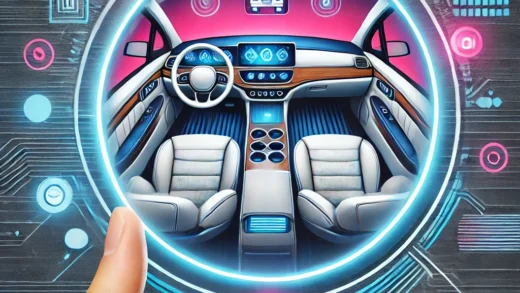
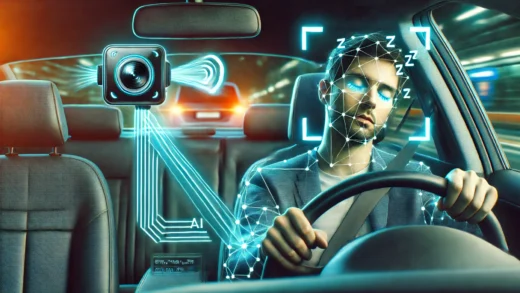
Facial recognition in vehicles is one of the most exciting developments in this area. By simply looking into a camera, drivers can unlock and start their cars. This is particularly useful when your hands are full or when you’re in a hurry. Some systems even go beyond entry, allowing for personalized settings. Once the car recognizes the driver, it can automatically adjust the seat position, mirrors, and even the climate controls based on the driver’s preferences.
For American drivers who value convenience and efficiency, biometric authentication offers a hassle-free solution that enhances the overall driving experience. No more fumbling for keys or worrying about where you last placed them—your car knows who you are.
Addressing Privacy and Data Concerns
While the benefits of biometric authentication in cars are clear, concerns about privacy and data security naturally arise. Since biometric systems collect and store sensitive data, it’s essential to ensure that this information is kept secure and private. U.S. automakers are aware of these concerns and are implementing strong encryption and data protection measures to safeguard biometric data.
Additionally, most biometric systems in vehicles are designed to store data locally, meaning the information is kept within the car’s secure system rather than being transmitted over networks. This reduces the risk of hacking or data breaches. As biometric technology continues to advance, automakers are likely to enhance their security protocols even further to ensure drivers’ data remains safe.
The Future of Biometric Authentication in U.S. Cars
The U.S. automotive market is already witnessing the introduction of biometric features in higher-end vehicles, but it won’t be long before this technology becomes more widespread across all segments. As biometric car entry gains popularity, we can expect more affordable models to offer these features, making the technology accessible to a broader range of drivers.
In the future, biometric authentication may go beyond just unlocking and starting the car. Automakers are exploring the possibility of integrating more advanced biometric features, such as heartbeat monitoring or voice recognition, to offer additional layers of security and personalization. For example, biometric systems could detect if a driver is tired or stressed and automatically adjust the car’s settings or suggest a break. These innovations could transform the driving experience into something far more intuitive and responsive.
Conclusion
In 2024, biometric authentication in cars is taking the automotive world by storm, offering enhanced security, greater convenience, and a more personalized driving experience. From fingerprint car access to facial recognition in vehicles, this technology is shaping the future of vehicle security in the U.S. As more automakers adopt these systems, drivers will enjoy a safer and more efficient way to interact with their cars.
Biometric car entry is not just about keeping your car safe—it’s about making your life easier. As this technology evolves, it’s clear that biometrics will become an essential feature in the cars of tomorrow. Whether it’s for security, convenience, or personalization, biometric authentication is driving us toward a smarter, more secure future on the road.