

As electric vehicles (EVs) become increasingly popular across the United States, their impact on the power grid is a topic of growing importance. In 2024, with EV sales continuing to rise and more consumers opting for electric cars, understanding the relationship between EVs and grid impact has never been more crucial. This blog explores how electric cars affect power demand, the challenges and opportunities they present, and the grid’s readiness to accommodate this new wave of energy consumption.
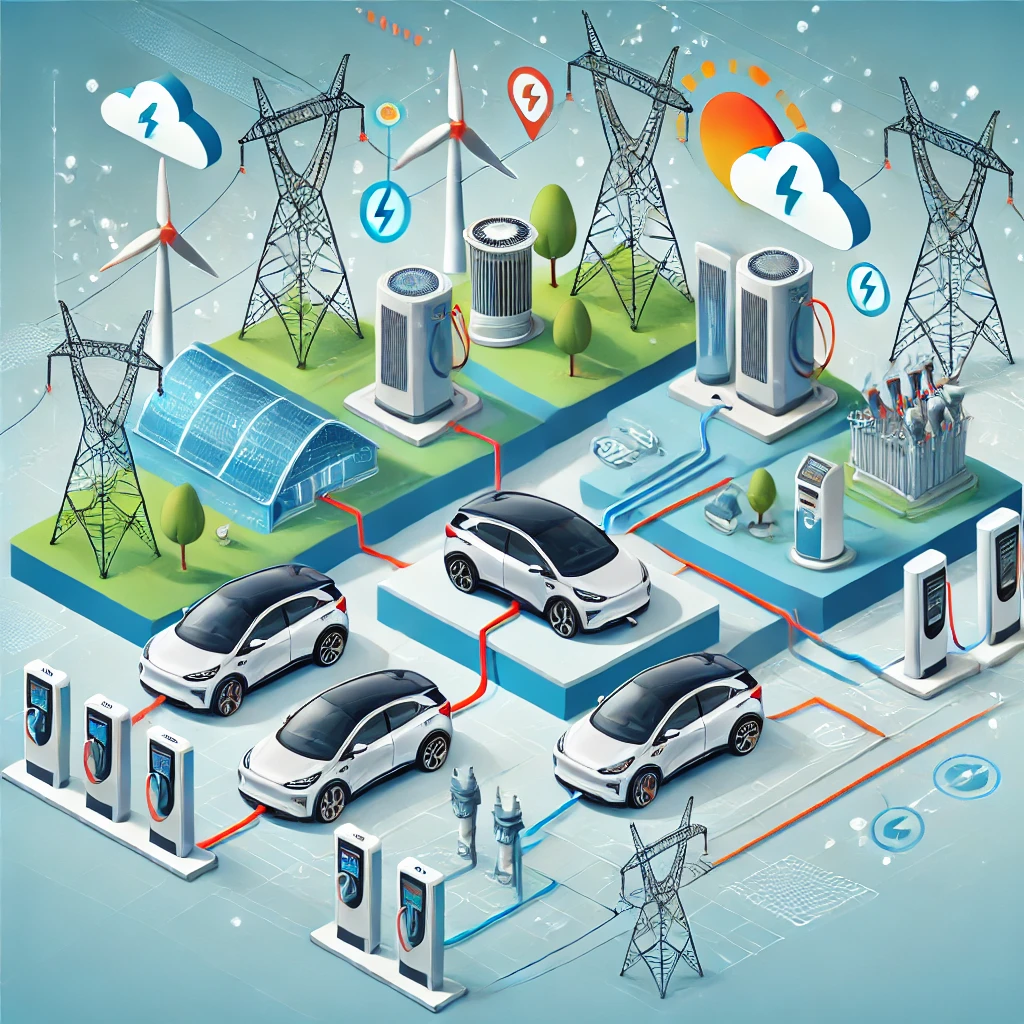
The Growing Demand for Electric Vehicles
The shift towards electric vehicles is not just a trend; it’s a significant movement toward sustainability. As more consumers recognize the environmental benefits and cost savings associated with EV ownership, the number of electric cars on the road has surged. According to recent data, EV sales are projected to make up nearly 25% of new car sales in the U.S. by the end of 2024. This rise in popularity translates to increased power demand on the nation’s electrical grid, raising questions about its ability to handle the surge.
Electric cars require a substantial amount of electricity to charge. The average EV consumes about 30 kWh per 100 miles, which can add up to a considerable amount of energy when considering daily driving habits. For example, if an EV owner drives 30 miles a day, they might use around 9 kWh daily, which can translate into higher overall demand on the grid, particularly during peak hours.
The Challenge of Grid Readiness for EVs
One of the critical concerns surrounding the growing adoption of electric vehicles is whether the existing power grid is ready to handle the increased load. Many regions in the U.S. are already facing challenges related to grid capacity, with aging infrastructure and limited resources to upgrade. This raises important questions about grid readiness for EVs.
Utility companies are assessing the impact of increased EV charging on their systems. They are particularly focused on how to manage demand during peak charging times, which often coincide with other energy-intensive activities, such as heating or cooling homes. If too many EV owners charge their vehicles simultaneously, it can lead to grid strain, potentially resulting in outages or increased energy costs.
To prepare for this surge, many utilities are investing in grid enhancements. This includes upgrading transformers, expanding capacity, and implementing smart grid technologies that can help manage energy distribution more efficiently. Additionally, some utilities are promoting time-of-use rates, encouraging EV owners to charge their vehicles during off-peak hours, which can alleviate pressure on the grid.
Opportunities for Renewable Energy Integration
The integration of electric vehicles into the power grid also presents exciting opportunities, particularly regarding renewable energy sources. As more EVs are adopted, there is an increasing potential to utilize solar, wind, and other renewable energy sources to power these vehicles. This shift could help reduce reliance on fossil fuels and further decrease greenhouse gas emissions.
For instance, many homeowners with solar panels are already using the electricity generated to charge their EVs. As battery technology advances, there is also the potential for vehicle-to-grid (V2G) systems, where electric vehicles can return excess energy back to the grid during peak demand times. This creates a symbiotic relationship between EVs and the power grid, providing both energy storage and supply when needed.
Preparing for the Future
To ensure a seamless transition as electric vehicle adoption continues to grow, it’s crucial for policymakers, utility companies, and consumers to work together. Investments in grid infrastructure, alongside incentives for renewable energy use, will be vital for creating a sustainable energy ecosystem.
In 2024, cities across the U.S. are beginning to adopt more ambitious goals for electrification and renewable energy integration. Many regions are implementing initiatives that not only focus on building EV charging infrastructure but also emphasize smart grid technologies and energy efficiency. These efforts aim to create a resilient grid capable of supporting both current and future energy demands.
Conclusion
The impact of EVs on the power grid is multifaceted, presenting both challenges and opportunities as we navigate the shift toward electric mobility. With the growing popularity of electric cars, understanding their power demand and ensuring grid readiness for EVs is essential for a sustainable future. As utilities adapt to the evolving landscape and explore innovative solutions like renewable energy integration and smart grid technologies, the future looks promising for both electric vehicles and the power grid. By embracing these changes, we can foster a more efficient and environmentally friendly energy system, paving the way for a cleaner transportation future.


