As we continue to explore sustainable energy solutions in the automotive world, ethanol fuel is gaining attention as a viable alternative for environmentally-conscious drivers. With increasing concerns about climate change and a desire for cleaner fuels, ethanol presents a promising option for reducing greenhouse gas emissions and promoting energy independence. In this blog, we will delve into what ethanol fuel is, its benefits, the types of vehicles that can use it, and the current landscape of ethanol fuel in the United States as of 2024.
Understanding Ethanol Fuel
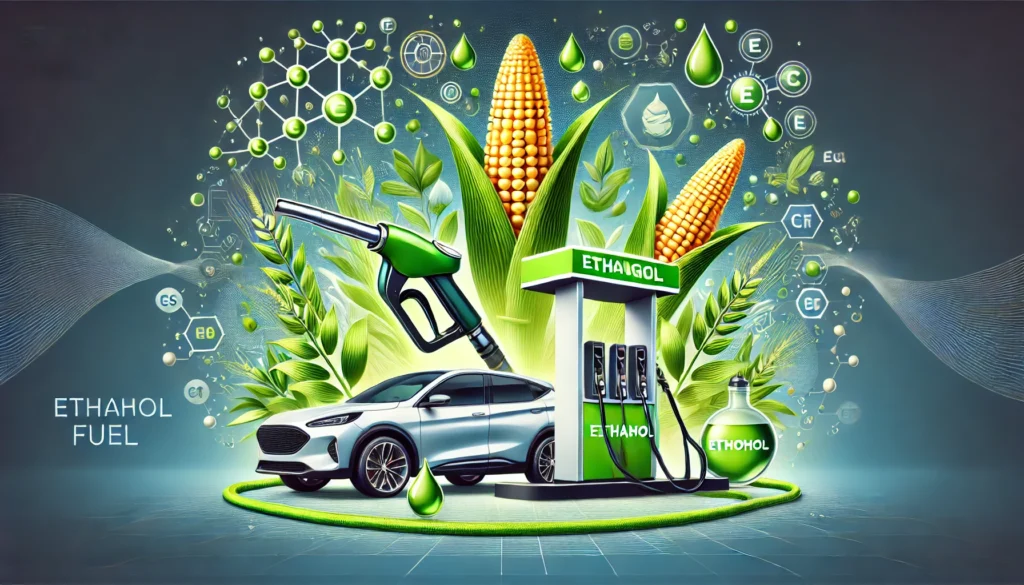
Ethanol is a type of alcohol that is produced from fermenting plant materials, primarily corn, but also other grains and sugarcane. In the U.S., the majority of ethanol is made from corn, which is abundant and readily available. Ethanol is commonly blended with gasoline to create fuel blends like E10 (10% ethanol, 90% gasoline) and E85 (85% ethanol, 15% gasoline). The numbers indicate the percentage of ethanol in the mixture, with E85 being the highest concentration of ethanol typically used in flex-fuel vehicles.
The Benefits of Ethanol Fuel
One of the primary advantages of ethanol fuel is its environmental impact. When burned, ethanol produces lower levels of carbon monoxide and greenhouse gases compared to conventional gasoline. This makes it an attractive option for drivers looking to reduce their carbon footprint. In fact, using ethanol can cut greenhouse gas emissions by up to 40% compared to regular gasoline, making it a more sustainable choice for car owners.
Ethanol fuel also contributes to energy independence. By utilizing domestically-produced fuel sources, the U.S. can reduce its reliance on foreign oil, which can enhance national security and stabilize energy prices. Moreover, the production of ethanol creates jobs in agriculture and renewable energy sectors, supporting local economies.
Flex-Fuel Cars: The Perfect Match for Ethanol
Flex-fuel vehicles (FFVs) are specially designed to run on both traditional gasoline and higher ethanol blends, such as E85. This flexibility allows drivers to choose their fuel based on availability and price. As of 2024, there are numerous models from various manufacturers that come equipped with flex-fuel capabilities, making it easier than ever for consumers to opt for ethanol when filling up their tanks.
FFVs can operate efficiently on a wide range of fuel blends, which means that even if E85 is not available, drivers can still use gasoline without any issues. This versatility makes flex-fuel cars a practical choice for those interested in using ethanol fuel without the commitment of solely relying on it.
The Current Landscape of Ethanol Fuel in the U.S.
As of 2024, the use of ethanol fuel in the U.S. continues to grow, driven by both consumer interest and government policies promoting renewable fuels. The Renewable Fuel Standard (RFS) program, established by the federal government, mandates the blending of renewable fuels like ethanol into the nation’s fuel supply. This has led to increased availability of ethanol blends at gas stations across the country.
However, there are still some challenges to overcome. Ethanol fuel has a lower energy content than gasoline, which can result in reduced fuel economy for vehicles running on E85 compared to regular gasoline. Drivers may notice a decrease in miles per gallon (MPG) when using higher ethanol blends. Despite this, many find the environmental benefits and potential cost savings from using ethanol fuel to outweigh the drawbacks.
Consumer Considerations
When considering ethanol fuel, it’s essential to check your vehicle’s compatibility. Most newer vehicles, particularly those labeled as flex-fuel cars, can handle E85 without any problems. However, older cars may not be equipped to handle higher concentrations of ethanol. It’s always a good idea to consult your owner’s manual or contact the manufacturer to ensure your vehicle can safely use ethanol blends.
Additionally, drivers should be aware of the availability of ethanol fuel in their area. While many urban locations have access to E85, rural areas may have limited options. Understanding the local fuel landscape can help you make informed decisions about fueling your vehicle.
Conclusion
Ethanol fuel represents a sustainable and practical choice for drivers in the U.S. as of 2024. With its environmental benefits, contribution to energy independence, and compatibility with flex-fuel cars, ethanol offers an appealing alternative to traditional gasoline. As the demand for cleaner, renewable energy sources continues to rise, ethanol fuel cars are poised to play a significant role in the future of transportation. By choosing ethanol, drivers can actively participate in reducing greenhouse gas emissions while supporting local economies and enhancing national energy security. If you’re considering a new vehicle or looking to make a more sustainable choice, exploring the world of ethanol fuel and flex-fuel cars might just be the right move for you.