In the fast-evolving world of automotive technology, over-the-air (OTA) updates have become a game-changer. These updates allow car manufacturers to send software improvements, bug fixes, and new features directly to your vehicle without requiring a visit to the dealership. While OTA updates offer convenience and enhance vehicle performance, they also raise important questions about security. In 2024, understanding OTA updates security is essential for every car owner who enjoys the benefits of a connected vehicle.

The Rise of OTA Updates
Over-the-air updates have transformed the way we maintain and upgrade our vehicles. In the past, drivers often had to schedule appointments to have their car software updated manually. Today, manufacturers can push updates directly to vehicles, similar to how smartphones receive app updates. This not only saves time but also helps ensure that cars are always equipped with the latest software enhancements.
OTA updates can include anything from minor tweaks to major feature additions, such as improved navigation systems or new entertainment options. While the convenience of OTA updates is undeniable, it also opens the door to potential security vulnerabilities that car owners must consider.
The Security Risks of OTA Updates
The convenience of OTA updates comes with risks, primarily concerning unauthorized access and malicious attacks. Since these updates occur via wireless connections, hackers may attempt to exploit vulnerabilities in the update process to gain access to a vehicle’s software. If successful, this could allow them to manipulate critical functions, access sensitive data, or even take control of the vehicle remotely.
In 2024, as more vehicles become connected, the potential for cyberattacks will only increase. It’s crucial for manufacturers to implement robust security measures to protect against these threats. For car owners, understanding these risks is essential to ensure their vehicles remain secure.
Secure Car Software Updates
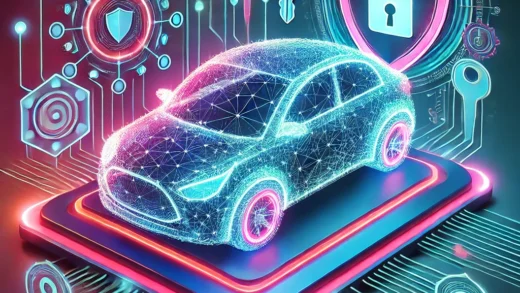
To maintain the integrity of OTA updates, automakers must prioritize secure car software updates. This includes utilizing encryption to protect data being transmitted between the manufacturer’s servers and the vehicle. Encryption ensures that even if data is intercepted during transmission, it remains unreadable to unauthorized parties.
Another essential security measure is authentication. This process ensures that updates are only applied if they originate from trusted sources. By verifying the authenticity of the update, manufacturers can prevent unauthorized updates that could compromise vehicle security.
Preventing Unauthorized Updates
Car owners also have a role to play in preventing unauthorized updates. Staying informed about the security features of your vehicle and understanding how OTA updates work is the first step. Here are some tips to help you ensure your vehicle is protected:
Regularly Check for Software Updates: While most manufacturers automatically push updates, it’s good practice to periodically check for any available updates in your vehicle’s settings. This way, you can ensure that you have the latest security enhancements installed.
Read Manufacturer Communications: Automakers often send notifications about upcoming updates and their security measures. Keeping an eye on these communications can help you stay informed about how your vehicle’s software is managed and secured.
Secure Your Internet Connection: Ensure that your home Wi-Fi network is secure when your car connects to it for updates. Use strong passwords and change them regularly to protect against unauthorized access.
Consult with Your Dealer: If you have concerns about OTA updates or the security features of your vehicle, don’t hesitate to reach out to your dealership. They can provide valuable insights and guidance on how to keep your vehicle secure.
The Future of OTA Updates Security
As the automotive industry moves forward, the importance of OTA updates security will only grow. Consumers are increasingly reliant on technology to enhance their driving experience, and with that comes a greater responsibility for manufacturers to provide safe and reliable updates.
In response to rising cybersecurity concerns, many automakers are investing heavily in advanced security protocols for OTA updates. This includes machine learning algorithms that can detect anomalies during the update process and quickly address potential threats. As these technologies evolve, they will play a crucial role in ensuring the safety and security of connected vehicles.
Conclusion
In 2024, OTA updates are an integral part of the connected car experience, offering numerous benefits that enhance vehicle performance and user satisfaction. However, understanding the associated security risks is essential for every car owner. By prioritizing secure car software updates and taking proactive steps to prevent unauthorized updates, you can help protect your vehicle from potential threats.
As we embrace the convenience of OTA updates, let’s also commit to staying informed and vigilant about the security measures that keep our cars safe. With the right knowledge and precautions, you can enjoy the advantages of connected technology while ensuring your vehicle remains secure on the road.