

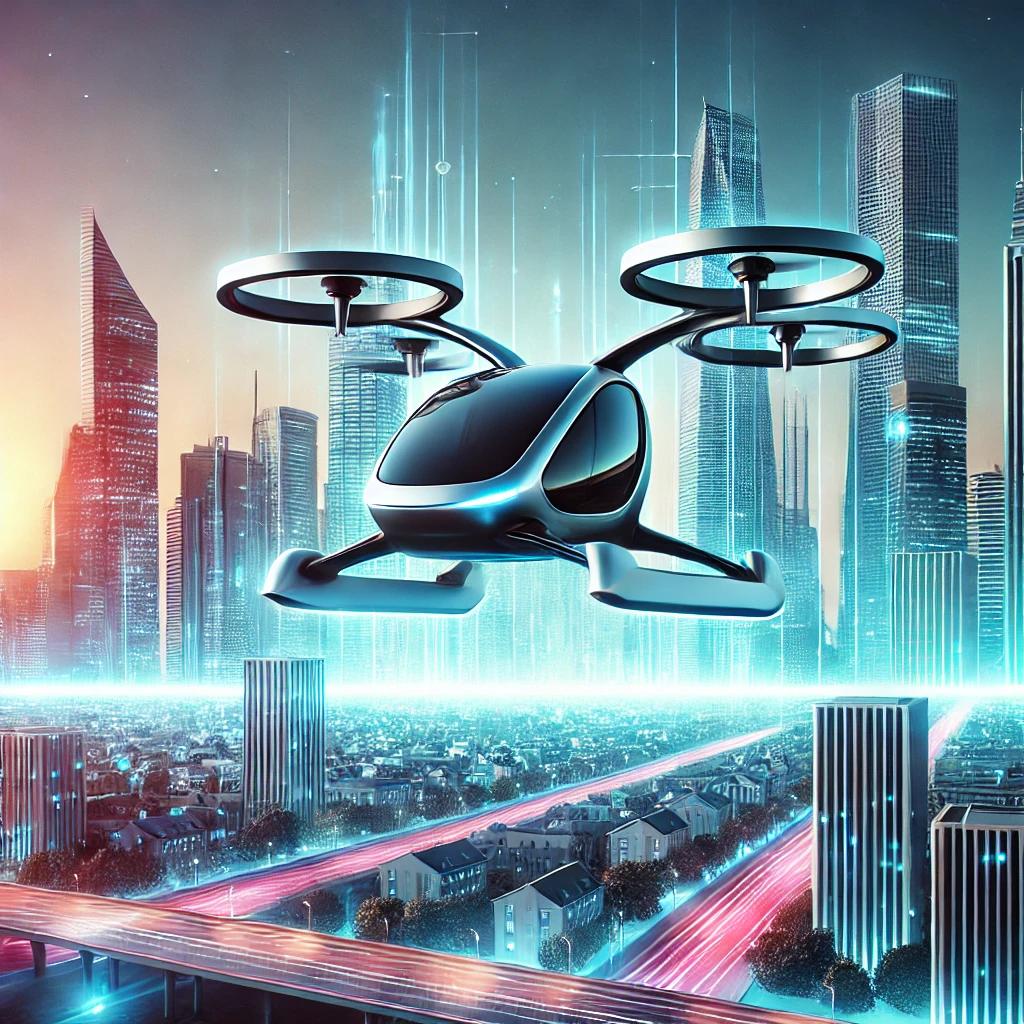
As we step into 2024, the dream of flying cars is no longer confined to the pages of science fiction. The development of electric flying cars, or eVTOLs (electric Vertical Take-Off and Landing vehicles), is making headlines and promises to revolutionize the way we think about transportation in the United States. With urban air mobility at the forefront of innovation, let’s explore the advancements in flying cars and how they could reshape our cities in the years to come.
The Rise of Urban Air Mobility
Urban air mobility refers to the concept of using flying vehicles to transport people and goods within urban areas, easing traffic congestion and providing an efficient alternative to traditional ground transportation. As cities continue to grow and populations increase, the need for innovative solutions to urban transportation challenges has never been more pressing. Flying cars offer a potential solution by creating a new layer of mobility above congested roads.
The idea of air taxis—automated flying vehicles that can carry passengers—has captured the imagination of many. Several companies in the U.S. are actively working on bringing these concepts to life, with the goal of integrating flying cars into our daily commutes.
Pioneering Companies Leading the Charge
Various companies have emerged as frontrunners in the electric flying car race. Industry giants such as Joby Aviation, Archer Aviation, and Bell are investing significant resources into developing eVTOL technology. These companies are focusing on creating vehicles that are not only efficient and environmentally friendly but also safe for everyday use.
Joby Aviation, for instance, has made headlines with its successful test flights, showcasing the viability of its electric air taxi. With a range of around 150 miles and the ability to take off and land vertically, Joby’s vehicle is designed for urban environments, making it a promising option for short commutes. Similarly, Archer is developing its own air taxi, with plans for commercial operations in major U.S. cities within the next few years.
The Technology Behind Electric Flying Cars
At the heart of electric flying cars lies advanced technology. These vehicles are powered by electric propulsion systems, which significantly reduce noise and emissions compared to traditional helicopters and airplanes. This aspect is crucial for urban environments, where noise pollution and air quality are critical concerns.
Additionally, electric flying cars are equipped with sophisticated avionics and navigation systems to ensure safe and efficient operation. With advancements in artificial intelligence, autonomous flying capabilities are becoming a reality, potentially allowing air taxis to navigate and operate without a pilot. These developments not only enhance safety but also reduce operational costs, making air travel more accessible to the general public.
The Challenges Ahead
Despite the excitement surrounding electric flying cars, several challenges remain on the path to widespread adoption. Regulatory hurdles are one of the most significant obstacles. The Federal Aviation Administration (FAA) is working to establish guidelines and safety standards for eVTOLs, ensuring that these vehicles can operate safely within crowded airspaces.
Infrastructure is another critical factor. The development of vertiports—designated landing and take-off areas for flying cars—will be essential for their integration into urban settings. Cities will need to invest in infrastructure that supports air mobility, including charging stations for electric vehicles and safe access points for passengers.
Public perception also plays a vital role in the acceptance of flying cars. Many people may have reservations about the safety and reliability of air taxis. Education and transparency regarding safety measures, alongside successful pilot programs, will be necessary to build trust among potential passengers.
The Future of Urban Transportation
As we look to the future, the potential of electric flying cars is immense. By 2024, we may witness the first commercial air taxi services taking off in major U.S. cities, offering a new and exciting way to navigate urban environments. With the promise of reduced travel times and alleviated traffic congestion, flying cars could revolutionize how we think about commuting.
In addition, the environmental benefits of electric flying cars cannot be overlooked. By utilizing electric propulsion, these vehicles could significantly reduce carbon emissions and contribute to cleaner air in urban areas.
Conclusion
The development of electric flying cars is a thrilling glimpse into the future of urban mobility. With advancements in technology, dedicated companies, and a growing interest in air taxis, the dream of soaring through the skies may soon become a reality. As we embrace this new era of transportation, it is essential to address the challenges ahead to ensure that flying cars can safely and efficiently integrate into our lives.
As we move forward into 2024 and beyond, the sky is no longer the limit. With electric flying cars, the horizon is filled with possibilities for how we travel, connect, and experience our cities. The future of urban air mobility is bright, and it’s just a flight away.


