When it comes to fueling your vehicle, you might have heard the terms “premium” and “regular” gas thrown around. With varying prices and specifications, it’s essential to understand what these types of gasoline are and how they affect your vehicle’s performance. In this guide, we’ll explore the differences between premium and regular gas, helping you determine whether opting for premium is worth it.
What Are the Types of Gasoline?
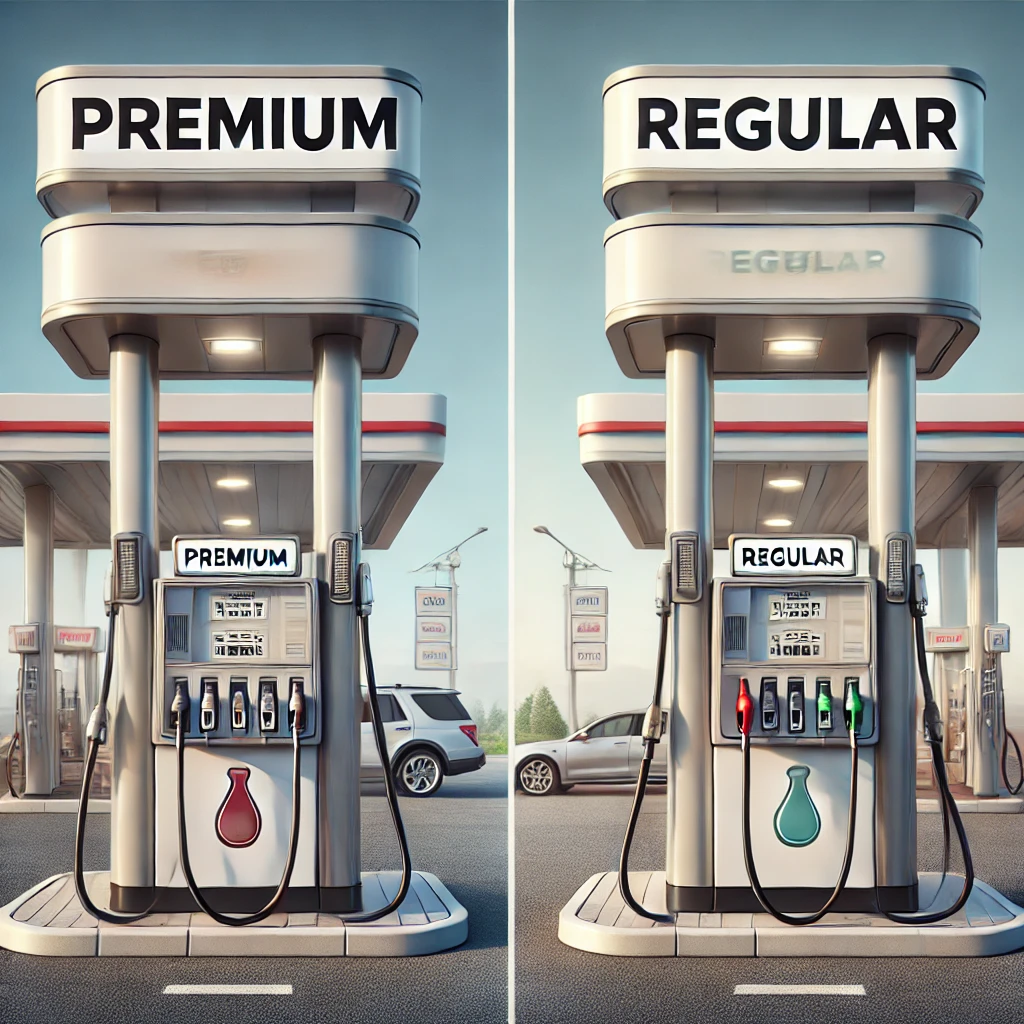
In the U.S., gasoline is generally categorized into three main types: regular, mid-grade, and premium. The difference among these types lies primarily in their octane ratings. Regular gas typically has an octane rating of 87, mid-grade ranges from 88 to 90, and premium gas boasts an octane rating of 91 to 94.
The octane rating measures a fuel’s ability to resist knocking or pinging during combustion. Knocking occurs when fuel combusts prematurely in the engine cylinder, which can lead to reduced performance and potential engine damage over time. Higher-octane fuels are formulated to withstand greater pressure before igniting, making them suitable for high-performance and luxury vehicles.
Regular Gas: The Everyday Choice
Regular gas is the most commonly used fuel across the United States. Its lower price and availability make it an attractive choice for many drivers. Most vehicles on the road today are designed to run efficiently on regular gas, making it a practical option for everyday commuting.
Using regular gas in a vehicle designed for it will generally not harm performance or efficiency. In fact, many modern engines are equipped with technology that can adapt to various fuel types, allowing for optimal performance even with lower-octane fuel.
Premium Gas: Is It Worth It?
Premium gas is often marketed as a superior option, especially for high-performance vehicles and luxury brands. But is premium gas worth the extra cost? The answer depends on your vehicle and driving habits.
For cars that require premium fuel, the engine is typically designed to operate best with higher octane levels. These vehicles may have turbocharged engines or performance-oriented designs, where using regular gas could lead to knocking or reduced efficiency. In such cases, following the manufacturer’s recommendations is crucial for maintaining optimal performance.
However, if your vehicle is not specifically designed for premium fuel, using it might not yield any significant benefits. Some drivers believe that premium gas leads to better fuel efficiency or improved performance in engines designed for regular gas, but studies show that the differences are often negligible.
Factors to Consider When Choosing Fuel
When deciding between premium vs. regular gas, consider a few key factors. First, check your owner’s manual. The manufacturer will specify the recommended fuel type for your vehicle. If it states that regular gas is acceptable, you may be better off saving the extra money.
Next, consider your driving style and habits. If you often drive aggressively or carry heavy loads, your engine might benefit from higher octane fuel. On the other hand, if your driving consists mainly of short commutes and highway cruising, regular gas is likely sufficient.
Also, think about the cost. Premium gas generally costs anywhere from 20 to 50 cents more per gallon than regular gas, depending on the market. Over time, this can add up significantly, especially for frequent drivers.
The Bottom Line: Making an Informed Choice
Ultimately, the choice between premium and regular gas boils down to your vehicle’s needs and your budget. While premium gas has its place in the automotive world, it’s not a necessity for every driver. For most vehicles, regular gas will suffice, allowing you to save money without compromising performance.
If you’re still unsure whether premium gas is worth it, it’s always a good idea to consult with your mechanic or the dealership. They can provide personalized advice based on your specific vehicle and driving habits.
In conclusion, understanding the differences between premium vs. regular gas can help you make informed decisions at the pump. Whether you opt for regular or choose to invest in premium, being aware of your vehicle’s requirements and your driving patterns will guide you to the best choice for your wallet and your ride. As you navigate through 2024, remember that knowledge is power, especially when it comes to fuel!