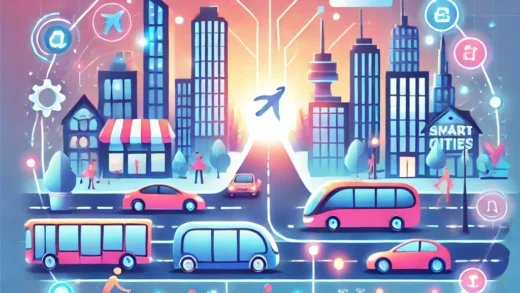
As we look ahead to the future of transportation, one of the key trends shaping mobility is the integration of connected vehicles with public transport systems. Connected vehicles, equipped with advanced communication technologies, have the potential to enhance the efficiency, accessibility, and sustainability of public transportation networks. In this blog, we will explore how the integration of connected vehicles with public transport is reshaping the future of mobility in the United States.

Enhancing Accessibility and Convenience:
One of the primary benefits of integrating connected vehicles with public transport is the enhancement of accessibility and convenience for passengers. Connected vehicle technologies enable real-time tracking and scheduling of public transit services, allowing passengers to access up-to-date information about routes, arrival times, and available seats. This increased visibility and transparency make it easier for passengers to plan their journeys and make informed decisions about their travel options.
Improving Last-Mile Connectivity:
Connected vehicles play a crucial role in addressing the challenge of last-mile connectivity, which refers to the distance between a passenger’s final destination and the nearest public transit stop. By leveraging ride-hailing services, autonomous shuttles, and micro-mobility solutions, connected vehicles can bridge the gap between public transit stations and passengers’ homes or workplaces. This integration of first-mile and last-mile services makes public transportation more accessible and convenient for passengers, particularly in areas with limited transit infrastructure.
Optimizing Transit Operations:
Connected vehicle technologies enable transit agencies to optimize the operation of public transport systems by collecting and analyzing real-time data about vehicle performance, passenger demand, and traffic conditions. This data-driven approach allows transit operators to improve route planning, scheduling, and dispatching, resulting in more efficient and reliable public transportation services. By minimizing delays, reducing congestion, and enhancing service quality, connected vehicles contribute to a better overall transit experience for passengers.
Enhancing Safety and Security:
Integrating connected vehicles with public transport can also enhance safety and security for passengers and operators. Connected vehicle technologies enable features such as real-time surveillance, emergency notifications, and predictive maintenance alerts, helping transit agencies monitor and respond to potential safety hazards or security threats more effectively. Additionally, connected vehicles can communicate with traffic signals and infrastructure to prioritize transit vehicles and improve traffic flow, further enhancing safety on the roads.
Promoting Sustainability:
The integration of connected vehicles with public transport aligns with broader efforts to promote sustainability and reduce carbon emissions in transportation. By providing seamless connections between different modes of transportation, connected vehicles encourage multi-modal travel and reduce reliance on single-occupancy vehicles. This shift towards more sustainable transportation options helps reduce traffic congestion, air pollution, and greenhouse gas emissions, contributing to cleaner and healthier communities.
Government Support and Investment:
Government support and investment play a crucial role in driving the integration of connected vehicles with public transport. In the United States, federal, state, and local governments provide funding, grants, and incentives to support the deployment of connected vehicle infrastructure and technologies. Initiatives such as the Smart Cities Challenge and the Federal Transit Administration’s Mobility on Demand program facilitate collaboration between government agencies, transit operators, technology providers, and other stakeholders to develop and implement innovative mobility solutions.
The integration of connected vehicles with public transport holds tremendous potential to transform the future of mobility in the United States and beyond. By enhancing accessibility, improving last-mile connectivity, optimizing transit operations, enhancing safety and security, and promoting sustainability, connected vehicles are reshaping the way we think about public transportation. With government support, industry collaboration, and technological innovation, we can create a more connected, efficient, and sustainable transportation ecosystem that benefits passengers, communities, and the environment.