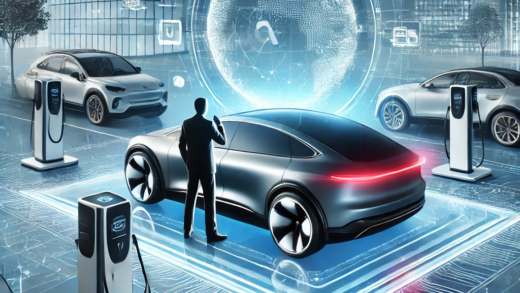
In recent years, the automotive industry has witnessed a surge in electric and hybrid vehicles, presenting families with a myriad of options for greener and more efficient transportation. However, with the abundance of choices available, deciding on the best EV or hybrid for your family can be a daunting task. Fear not! This guide is here to simplify the process and help you make an informed decision tailored to your specific needs and preferences.

Understanding Your Needs
Before delving into the world of electric and hybrid vehicles, it’s essential to assess your family’s transportation requirements. Consider factors such as daily commute distance, frequency of long trips, cargo space needs, and charging infrastructure availability in your area. Understanding your needs will narrow down the options and streamline the decision-making process.
Range Considerations
One of the primary concerns for families considering electric vehicles is range anxiety. However, advancements in battery technology have significantly improved the range of EVs, making them more viable for daily use. Evaluate your typical driving patterns to determine the range required to meet your needs comfortably. Additionally, consider hybrid vehicles if you frequently undertake longer journeys, as they offer the flexibility of utilizing both electric and gasoline power.
Charging Infrastructure
Access to charging infrastructure is crucial for EV owners. Before purchasing an electric vehicle, research the availability of charging stations in your area, including home charging options. Many EV manufacturers offer home charging solutions, allowing you to conveniently charge your vehicle overnight. Evaluate the convenience and accessibility of charging options to ensure a seamless ownership experience.
Budgetary Considerations
While electric and hybrid vehicles offer long-term savings on fuel and maintenance costs, they often come with a higher upfront price tag compared to traditional gasoline vehicles. Evaluate your budget and explore available incentives, such as federal tax credits and state incentives, to offset the initial cost. Additionally, consider long-term savings on fuel and maintenance when assessing the overall cost of ownership.
Vehicle Size and Features
Choose a vehicle size and features that align with your family’s lifestyle and preferences. Whether you need ample cargo space for family road trips or advanced safety features for peace of mind, prioritize factors that enhance your driving experience. Many electric and hybrid vehicles offer spacious interiors and advanced technology features, ensuring both comfort and convenience for your family.
Environmental Impact
Opting for an electric or hybrid vehicle contributes to reducing greenhouse gas emissions and minimizing your carbon footprint. Evaluate the environmental impact of your vehicle choice and consider the long-term benefits of transitioning to greener transportation options. By choosing an electric or hybrid vehicle, you not only reduce your dependence on fossil fuels but also contribute to a cleaner and healthier environment for future generations.
Test Drives and Research
Once you’ve narrowed down your options based on your needs and preferences, schedule test drives to experience the vehicles firsthand. Pay attention to factors such as driving dynamics, comfort, and overall performance to ensure a satisfying ownership experience. Additionally, conduct thorough research by reading reviews, comparing specifications, and seeking recommendations from other EV or hybrid owners.
Choosing the best electric or hybrid vehicle for your family requires careful consideration of various factors, including range, charging infrastructure, budget, vehicle size, and environmental impact. By understanding your needs and preferences and conducting thorough research, you can make an informed decision that aligns with your family’s lifestyle and values. Embrace the transition to greener transportation and enjoy the numerous benefits that electric and hybrid vehicles have to offer.