

Electric vehicles are growing fast across the United States and Europe, but public charging reliability still frustrates many drivers. While EV ownership offers lower running costs and smooth driving, the charging experience can sometimes feel inconsistent. Drivers may arrive at a station listed as “available” only to find it offline or malfunctioning. This variability creates uncertainty, especially during long-distance travel. Understanding why chargers are unreliable — and how modern software is solving the problem — is key to building trust in electric mobility.
Charging stations are more complex than they appear. Unlike fuel pumps, EV chargers rely heavily on software, network connectivity, payment processing systems, and vehicle communication protocols. If any one of these layers fails, the charging session may not start. Even when hardware is intact, communication breakdowns between the charger and backend systems can prevent authentication. This layered dependency explains why reliability challenges are often rooted in software rather than just physical components.
Environmental exposure adds another level of complexity. Public chargers operate outdoors year-round, facing rain, snow, heatwaves, and dust. In northern US states or colder parts of Europe, freezing temperatures can affect cables and connectors. In hotter climates, overheating systems may temporarily shut down to protect internal components. Over time, wear and tear combined with heavy usage increases the risk of faults, especially in high-traffic charging corridors.
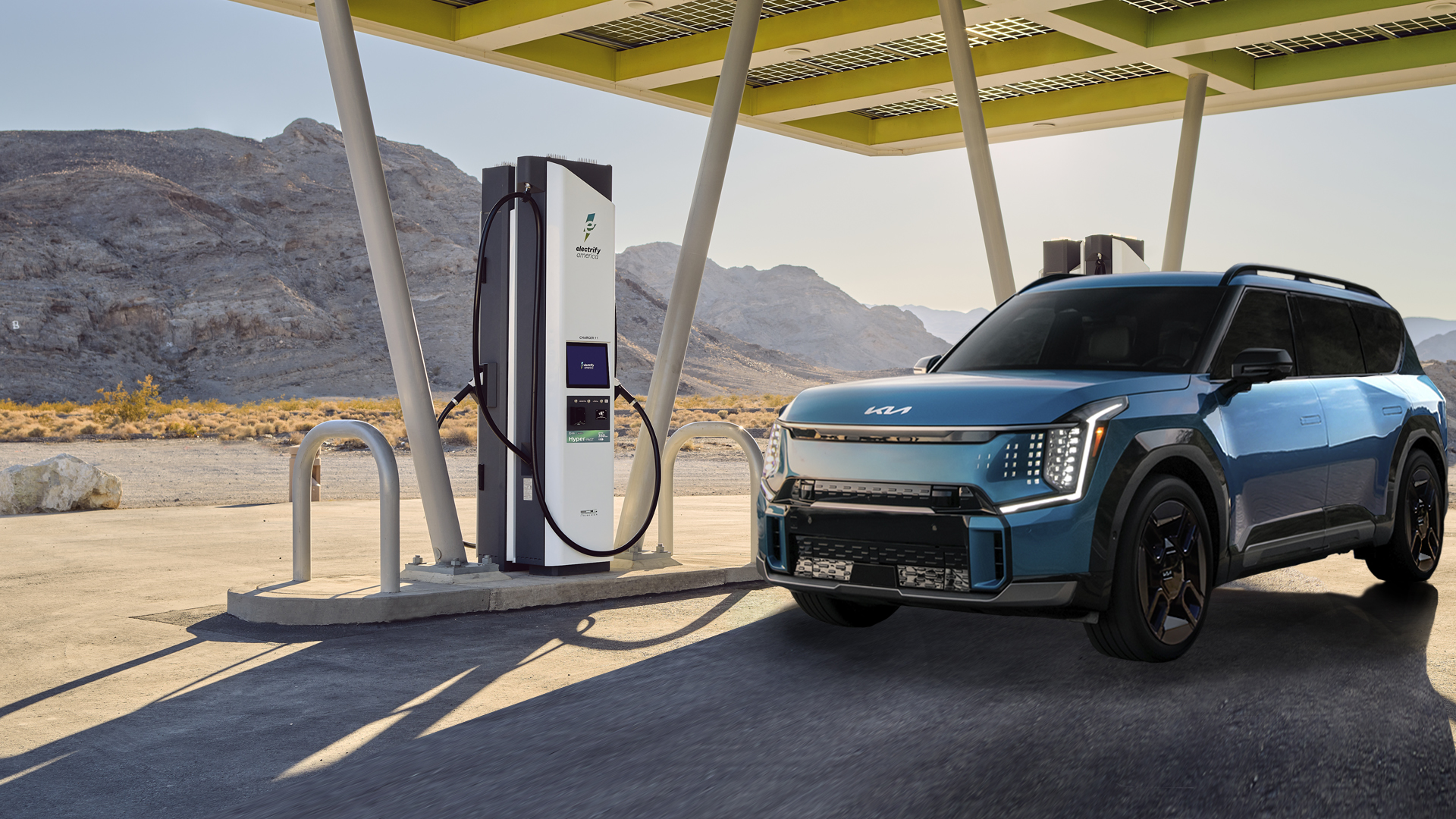
The Core Causes of Charger Variability
One of the biggest causes of unreliability is poor connectivity. Charging stations rely on cellular or internet connections to communicate with payment gateways and central management systems. If the signal drops, the charger may not authorize a session, even if it is technically functional. Rural highways or underground parking garages are particularly prone to connectivity issues. This is why drivers sometimes encounter chargers that appear operational but refuse to initiate charging.
Another issue is software compatibility. EV models, charging networks, and payment platforms often operate on different firmware versions and communication protocols. Without consistent updates and standardization, mismatches can occur. A vehicle may fail to handshake properly with a charger due to outdated software or incomplete integration. As the EV ecosystem expands rapidly in the US and EU, keeping systems synchronized becomes increasingly important.
Maintenance practices also influence variability. Some charging networks deploy equipment quickly to meet infrastructure targets but fall behind on monitoring and servicing. Without regular diagnostics, minor glitches can evolve into major faults. Stations may remain inoperative longer than necessary if operators lack real-time alerts or remote repair capabilities. This creates the perception of widespread unreliability, even if many issues could be fixed faster with better digital oversight.
How Software Is Fixing the Problem
The good news is that software solutions are significantly improving reliability. Modern charging networks now use real-time monitoring systems that track performance metrics such as voltage levels, connection stability, and transaction success rates. If anomalies appear, alerts are sent automatically to maintenance teams. This proactive monitoring reduces downtime and ensures problems are addressed before drivers even notice them.
Remote diagnostics are another powerful tool. Instead of dispatching technicians for every minor fault, operators can reboot systems, update firmware, or reset communication modules remotely. Many failures are software-related and can be resolved digitally within minutes. This reduces operational costs and dramatically improves effective uptime across networks. For drivers, it means fewer frustrating encounters with inactive chargers.
Standardized communication protocols are also helping stabilize the ecosystem. Industry-wide frameworks allow chargers and vehicles to “speak the same language,” minimizing handshake errors and compatibility issues. As more networks adopt unified software standards and regular firmware updates, interoperability improves. This consistency is critical in regions like Europe, where drivers frequently cross borders and rely on multiple charging networks.
Smarter Data, Better Driver Experience
Advanced data analytics now play a central role in reliability improvements. Charging operators collect vast amounts of usage data to identify patterns and recurring issues. Predictive analytics can detect early warning signs of hardware degradation, enabling preventive maintenance. Instead of waiting for a charger to fail completely, operators can service components before breakdowns occur. This shift from reactive to predictive management transforms reliability outcomes.
Driver-facing apps also contribute to better experiences. Modern EV apps provide live status updates, availability reports, and even user feedback on station performance. This transparency reduces surprises and helps drivers avoid problematic stations. When drivers report issues directly through apps, networks gain faster insight into faults. This two-way communication builds trust and improves the ecosystem overall.
Improved routing integration further enhances reliability perception. Charging-aware navigation systems now account for station health and historical uptime data. If a charger has frequent outages, routing software may prioritize more dependable alternatives. By guiding drivers toward reliable options, software reduces the likelihood of failed charging attempts. The result is a smoother journey and greater confidence in EV travel.
The Road to Reliable Charging
Charger reliability is improving steadily across both the US and EU markets. As competition increases, charging networks recognize that uptime is a major differentiator. Software-driven monitoring, predictive maintenance, and real-time data sharing are becoming industry standards. These digital improvements often deliver faster results than simply installing more physical chargers. Reliability is increasingly seen as a software challenge, not just an infrastructure issue.
For drivers, this evolution means fewer failed sessions and less range anxiety. While early EV adopters experienced inconsistent charging networks, the ecosystem is maturing quickly. Integration between vehicles, apps, and charging operators continues to strengthen. As software systems become smarter and more automated, the charging experience moves closer to the simplicity drivers expect.
Public charger variability may never disappear entirely, but it is no longer an unsolved problem. With robust connectivity, predictive analytics, standardized protocols, and transparent apps, software is transforming charging reliability. For the growing EV community, this progress builds trust and supports broader adoption. The future of electric mobility depends not only on batteries and hardware, but on intelligent software that keeps the network running smoothly every day.


