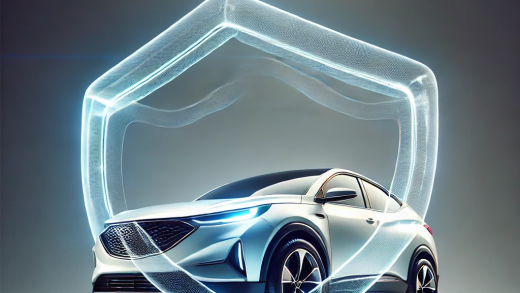
Driver Monitoring Systems are no longer futuristic concepts found only in luxury vehicles. Across the US and European markets, DMS is becoming a standard feature as regulators push for safer roads and automakers expand semi-autonomous driving capabilities. These systems monitor eye movement, head position, and driver attention to prevent accidents caused by distraction or fatigue.
However, real-world drivers are diverse. They wear prescription glasses, sunglasses, masks, hats, and scarves. They drive during bright daylight, at night, and in challenging weather conditions. For DMS to truly deliver safety, it must work accurately for everyone, not just in ideal test conditions.
Inclusive design in driver monitoring is not just a technical upgrade; it is a fairness issue. If a system performs better for one group than another, the safety promise becomes uneven. In markets like the US and EU, where diversity and regulation intersect, inclusive DMS is quickly becoming a competitive and ethical necessity.
Why Accessibility in DMS Matters
Safety technology should protect every driver equally. If a system struggles to track eye movement because someone is wearing glasses or has darker skin under low lighting, the protection becomes inconsistent. That inconsistency can reduce trust and potentially increase risk. A driver who feels misjudged by the system may start ignoring alerts or disabling features entirely.
In Europe, regulatory programs increasingly evaluate driver monitoring performance under real-world conditions. In the United States, safety agencies and consumer watchdog groups also expect systems to function reliably across diverse populations. This means automakers cannot design systems that work only for a narrow set of facial features or lighting conditions.
Beyond compliance, inclusivity strengthens brand reputation. Drivers want to know that the technology inside their vehicle recognizes them accurately and fairly. When DMS is accessible and reliable for everyone, it reinforces the idea that safety innovation serves the entire driving community, not just a subset of it.
The Challenge of Glasses, Masks, and Facial Occlusions
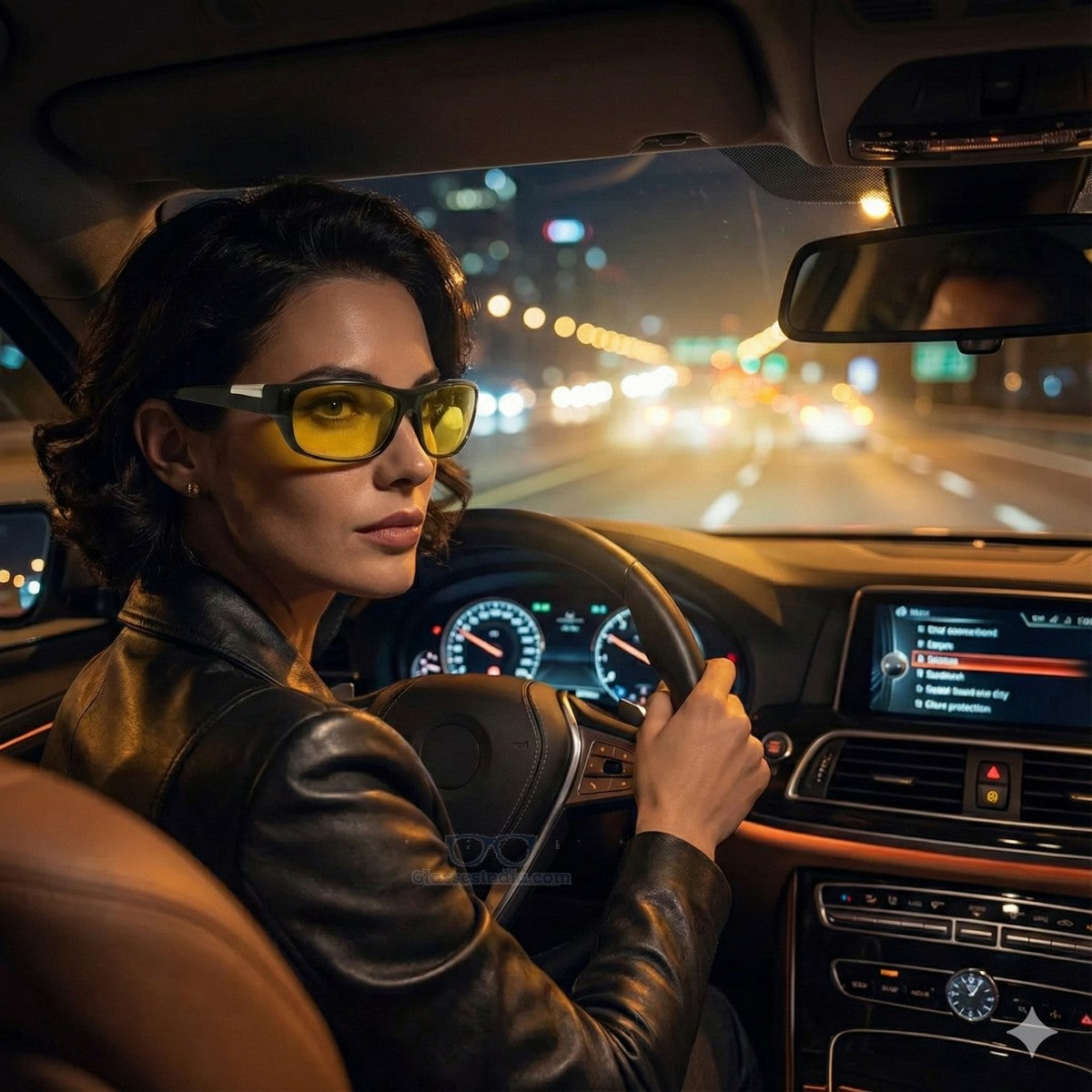
One of the biggest technical challenges for DMS is facial occlusion. Glasses and sunglasses can reflect infrared light or hide pupil movement, making gaze tracking more complex. Thick frames or tinted lenses may reduce visibility of critical eye features. Since millions of drivers rely on eyewear daily, systems must adapt rather than fail.
Face masks present another layer of complexity. Although their widespread use began during the pandemic, masks remain common in many regions. They hide key facial cues such as mouth movement and lower face tension, which some algorithms use to detect fatigue or distraction. A DMS that depends too heavily on full-face visibility may produce inconsistent results.
To address these issues, modern systems rely on multiple indicators beyond just direct eye tracking. Head orientation, blink rate, and contextual driving data help maintain accuracy. By diversifying the signals used to assess attention, manufacturers can reduce the impact of occlusions and deliver more consistent performance.
Skin Tones, Lighting, and Night Driving
Lighting conditions dramatically affect camera-based monitoring systems. During bright daylight, glare and shadows can distort facial visibility. At night, low illumination creates additional challenges, particularly for systems not optimized for varied skin tones. If algorithms are trained primarily under uniform lighting, real-world performance may suffer.
Research in computer vision has shown that imaging systems can perform differently across skin tones, especially in low-light scenarios. For automotive applications, this means inclusive training data is critical. A DMS that performs inconsistently under certain lighting conditions undermines both fairness and safety.
Manufacturers are responding with advanced infrared illumination and higher dynamic range sensors. These technologies help ensure faces are detected accurately regardless of skin tone or time of day. Combined with better algorithm training, these improvements are making DMS more resilient in night driving conditions common across US highways and European motorways.
Designing Fair and Robust Algorithms
Inclusive DMS begins with diverse data. Algorithms trained on a wide range of ages, ethnicities, facial structures, and accessories are more likely to perform consistently in real-world settings. Data diversity reduces bias and improves system robustness across scenarios that reflect actual driving populations.
Sensor fusion is also becoming a powerful tool. By combining camera data with infrared, depth sensing, or even radar inputs, systems gain redundancy. If one sensor struggles due to glare or occlusion, another can compensate. This layered approach improves reliability without increasing false alerts.
Continuous validation is equally important. Automakers are expanding testing protocols to include diverse participant groups and challenging environmental conditions. This ensures that systems are not only compliant with regulatory benchmarks but genuinely effective across the varied realities of modern driving.
Building Trust Through Transparency and Communication
Even the most advanced system must earn driver trust. Clear communication about how DMS works and what factors may influence performance is essential. Drivers should understand that the system focuses on attention detection, not identity recognition, and that privacy protections are in place.
User interfaces can also reinforce inclusivity. Gentle, well-calibrated alerts that adapt to context help avoid unnecessary frustration. When drivers feel the system responds intelligently rather than rigidly, confidence grows. Trust increases when alerts feel supportive rather than accusatory.
Ultimately, inclusivity is about respect. Respect for diversity, for personal differences, and for the realities of daily driving. When automakers prioritize fairness in DMS design, they create vehicles that feel safer, smarter, and more human-centered.
The Future of Inclusive Driver Monitoring
As automation expands, the role of DMS will only grow more critical. Vehicles will rely heavily on accurate attention monitoring to transition safely between automated and manual driving modes. Inclusive performance will become a baseline expectation rather than a competitive advantage.
Advances in artificial intelligence and sensor hardware will continue improving resilience against occlusion and lighting variability. However, fairness must remain a guiding principle during development. Without deliberate design choices, bias can reappear in subtle ways.
Inclusive DMS represents the future of automotive safety in the US and EU markets. By designing systems that work reliably for glasses wearers, mask users, diverse skin tones, and night drivers alike, the industry can deliver on its promise of safer roads for everyone. When technology protects all drivers equally, innovation truly fulfills its purpose.