

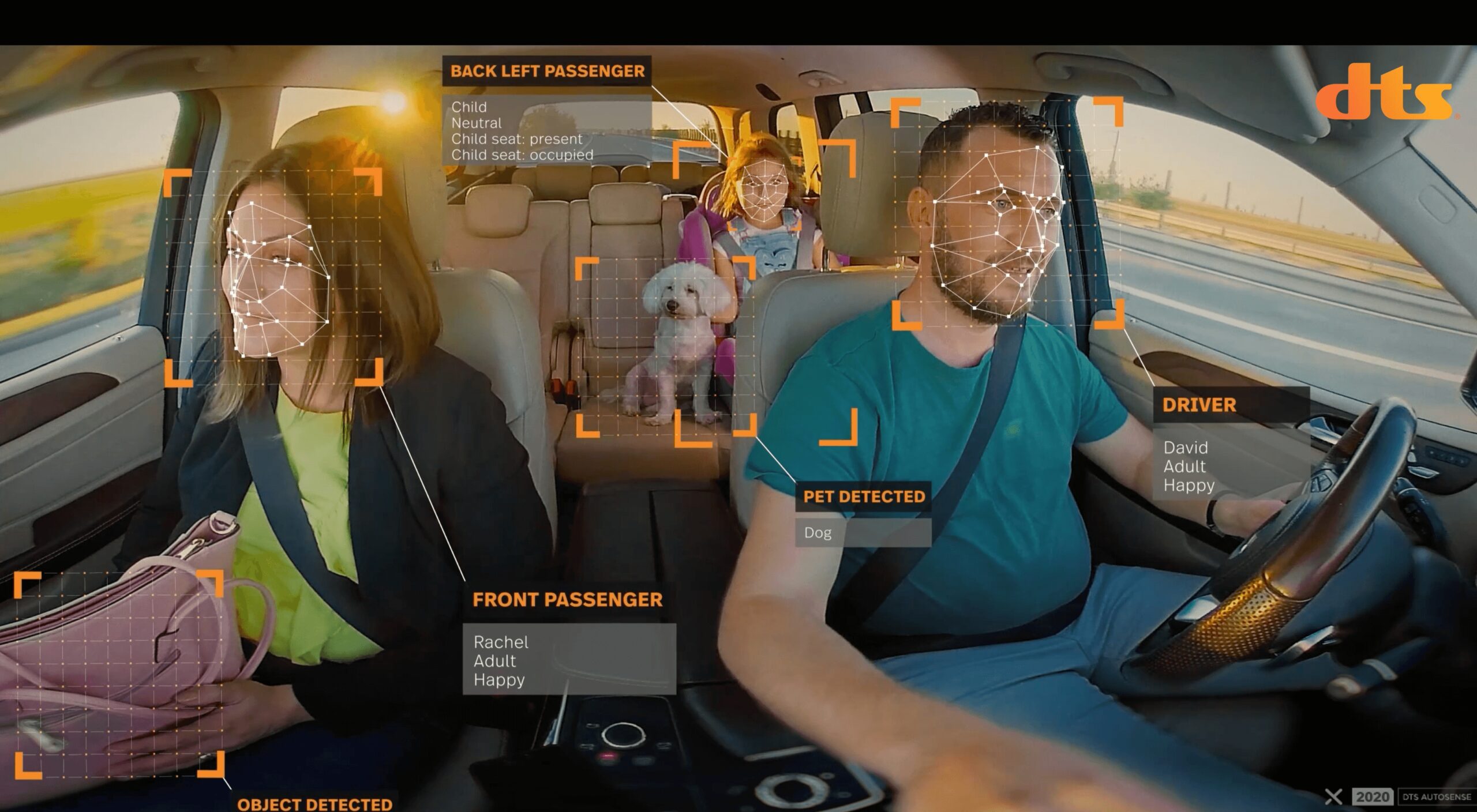
The modern vehicle cabin is no longer just a space with seats, airbags, and infotainment screens. It has evolved into an intelligent environment powered by sensors, artificial intelligence, and advanced processing units that continuously interpret what is happening inside the car. From detecting driver fatigue to recognizing if a child has been left in the rear seat, cabin sensing technologies are reshaping safety and user experience across the US and European markets. Automakers are racing to deliver smarter interiors that support semi-autonomous driving and meet rising safety expectations.
But as vehicles become more perceptive, they also become more data-intensive. Cameras, radar systems, and biometric sensors can capture enormous volumes of personal information. In an era where privacy concerns dominate headlines, simply collecting everything “just in case” is no longer acceptable. This is where data minimization enters the conversation as both a regulatory requirement and a smart design strategy.
Why Data Minimization Matters More Than Ever
In Europe, the influence of the General Data Protection Regulation has fundamentally changed how companies approach personal data. The principle of collecting only what is necessary is written directly into the regulation, and automotive manufacturers operating in the EU must comply. Cabin sensing systems that capture identifiable facial images or store long-term driver behavior logs can quickly fall under regulatory scrutiny if not carefully designed.
In the United States, while privacy regulation is more fragmented, consumer expectations are equally strong. State laws such as California’s privacy framework and growing federal discussions around automotive data governance signal a clear trend: transparency and restraint are becoming competitive advantages. For global OEMs, designing one privacy-first architecture that satisfies both US and EU markets is simply more efficient. Data minimization is emerging as the universal design principle that bridges regulatory differences.
Cabin Sensing: Safety Innovation Meets Privacy Pressure
Driver Monitoring Systems and Occupant Monitoring Systems are rapidly becoming standard features in new vehicles. European safety requirements under the General Safety Regulation are accelerating deployment of in-cabin monitoring technologies, particularly for driver distraction and drowsiness detection. Safety bodies such as Euro NCAP are also rewarding vehicles equipped with advanced monitoring capabilities in their safety ratings.
At the same time, consumers are asking hard questions. Are in-cabin cameras recording me? Is my facial data being stored somewhere? Can insurers or third parties access this information? These concerns are legitimate. Vehicles are increasingly connected devices, and without clear architectural safeguards, cabin sensing can easily cross the line from safety feature to surveillance risk. The challenge for automakers is delivering life-saving functionality without creating data hoarding ecosystems.
The Minimalist Design Pattern Explained
A minimalist design pattern for cabin sensing starts with a simple mindset shift: collect the minimum viable signal, not the maximum possible dataset. Instead of defaulting to high-resolution RGB video streams that capture every detail inside the cabin, engineers can prioritize sensors that provide functional insights without identifying individuals. Radar and near-infrared technologies, for example, can detect posture, movement, and vital signs without producing detailed facial imagery.
Equally important is limiting data retention. A system designed around data minimization processes information in real time and discards it once the safety action is completed. If a driver shows signs of drowsiness, the vehicle issues an alert, and the raw data does not need to be stored. By architecting systems around ephemeral data flows rather than persistent storage, automakers reduce risk exposure and regulatory complexity while maintaining safety performance.
On-Device Intelligence: Keeping Data Inside the Car
One of the most powerful enablers of data minimization is edge processing. By embedding AI models directly within the vehicle’s electronic control units, raw sensor data never needs to leave the cabin. Instead of transmitting video streams to cloud servers for analysis, the system interprets signals locally and outputs only a decision, such as “driver distracted” or “rear occupant detected.”
This approach drastically reduces cybersecurity and privacy risks. It also aligns with both EU and US regulatory expectations around purpose limitation and secure processing. From a brand perspective, automakers that communicate clearly that cabin data stays inside the vehicle can strengthen consumer trust. In a competitive market where differentiation is increasingly digital, privacy-first messaging is not just compliance strategy; it is marketing leverage.
Designing for Trust in the US and EU Markets
Trust is quickly becoming the currency of connected mobility. European consumers are particularly sensitive to privacy issues due to the visibility of GDPR enforcement, while American buyers are increasingly aware of how digital platforms monetize personal data. Automotive brands that proactively embrace data minimization can position themselves as responsible innovators rather than reluctant followers of regulation.
Transparency plays a crucial role here. Clear user interfaces explaining what sensors are active, what data is processed, and how long it is retained can dramatically improve user acceptance. Minimalist design does not mean minimal communication; it means intentional engineering paired with open dialogue. When drivers understand that cabin sensing is built around safety rather than surveillance, adoption barriers shrink significantly.
The Competitive Advantage of Doing Less
Ironically, in a data-driven industry, collecting less can create more value. Systems built on data minimization are inherently simpler to secure, easier to certify, and more adaptable across jurisdictions. They reduce storage costs, lower cybersecurity liabilities, and streamline compliance audits. For Tier 1 suppliers and OEMs alike, minimalist cabin architectures can shorten development cycles and accelerate time to market.
As vehicles continue evolving toward higher levels of automation, cabin sensing will only grow more sophisticated. The brands that succeed will not be those that gather the most data, but those that gather the right data with precision and restraint. Cabin sensing without data hoarding is not a limitation on innovation. It is the blueprint for sustainable, privacy-first mobility in both the US and European automotive landscapes.


