Across the US and European markets, vehicles have become rolling software platforms. Modern cars rely on tightly integrated electronic control units, domain controllers, cloud connectivity, and digital services that continuously evolve after the point of sale. Over-the-air updates are now central to how OEMs deliver improvements, whether that involves refining battery performance, enhancing infotainment features, patching cybersecurity vulnerabilities, or adjusting driver assistance systems. Customers expect seamless upgrades that “just work,” without dealership visits or unexpected disruptions.
But delivering updates in vehicles is far more complex than pushing a mobile app refresh. Automotive systems are layered and interdependent, with firmware controlling hardware behavior, applications managing user experiences, and configuration files tailoring features to specific trims and regions. If these elements are not packaged correctly, even a small mismatch can lead to feature instability, performance degradation, or regulatory compliance concerns. That is why update packaging — the art and science of bundling firmware, apps, and configuration data into a cohesive release — has become a strategic priority for OEMs in both the US and EU.
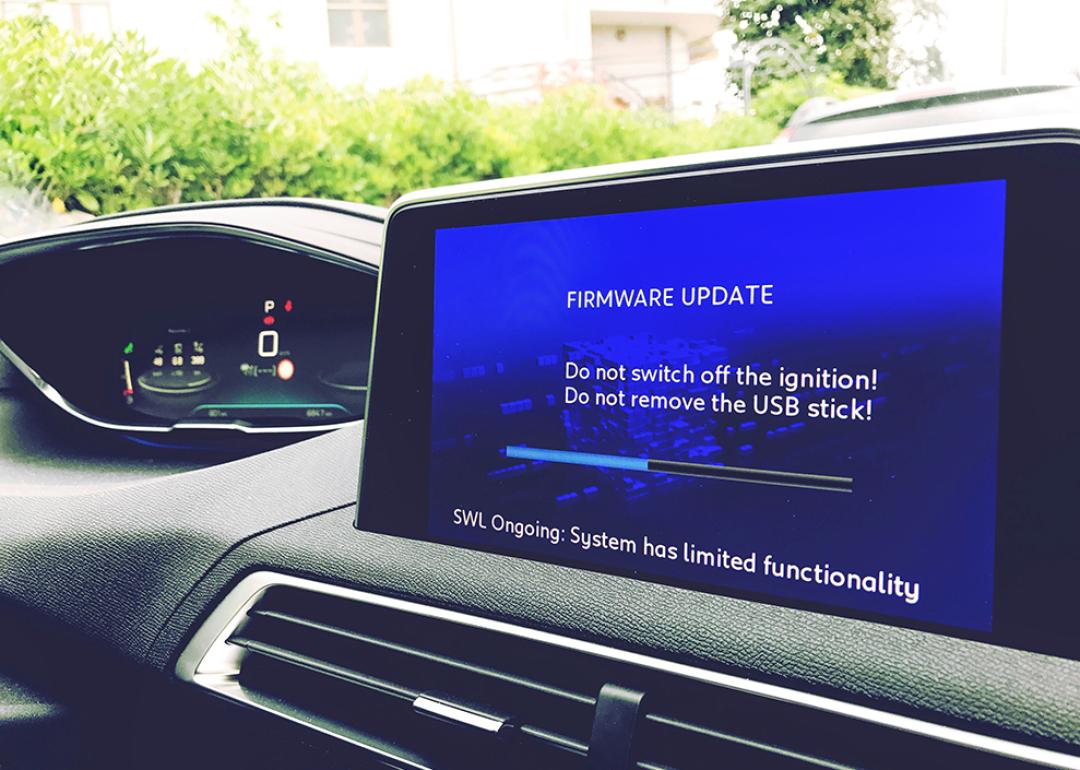
Understanding What Goes Into an Update Bundle
An automotive update bundle is not a single file but a coordinated package of interlocking components. Firmware sits at the lowest level, interacting directly with hardware such as sensors, processors, and communication modules. Above that layer sits application software, which includes infotainment systems, navigation engines, telematics services, and advanced driver assistance features. Configuration data then determines how those systems behave in a specific vehicle, enabling or disabling features based on trim level, region, or regulatory requirements.
When these components are updated independently without coordination, problems arise. A firmware change may alter how data is interpreted by a sensor, while an older application still expects the previous logic. A configuration file designed for the EU market may conflict with requirements for US vehicles if deployed incorrectly. By packaging firmware, applications, and configurations together in a validated bundle, OEMs ensure compatibility across layers. The goal is not simply to update, but to update as a synchronized system that preserves stability and compliance.
Why Packaging Discipline Matters in the US and EU
Regulatory expectations in the US and European Union add another layer of responsibility. European regulations under UNECE WP.29 require automakers to maintain secure software update management systems with traceability and risk control. In the US, cybersecurity best practices for modern vehicles emphasize secure deployment, validation, and incident response planning. Poorly structured updates that create unintended consequences could attract regulatory scrutiny and erode consumer trust.
Beyond compliance, brand reputation is on the line. Drivers expect reliability from their vehicles, especially when updates affect safety-related systems. A mismatched update that disables a camera feed, alters calibration logic, or disrupts connectivity can create frustration and negative publicity. Thoughtful bundling helps mitigate these risks by ensuring that each update has been tested as a complete ecosystem rather than as isolated components. In mature OTA strategies, the update bundle becomes the single source of truth, fully validated before deployment begins.
Designing Bundles for Compatibility and Flexibility
One of the biggest challenges OEMs face is fleet diversity. Vehicles across the US and EU markets differ by hardware revisions, optional features, regional software rules, and even connectivity standards. A rigid, one-size-fits-all update package can create unnecessary risk and bandwidth consumption. Instead, modern OTA systems rely on intelligent bundling strategies that tailor packages to the specific vehicle receiving them.
This approach begins with accurate vehicle state awareness. Before deployment, the backend system verifies the vehicle’s firmware version, hardware profile, installed applications, and configuration parameters. The update bundle is then constructed to include only the necessary components, ensuring compatibility while minimizing file size. By dynamically assembling compatible bundles, OEMs avoid forcing vehicles to install redundant updates and reduce the likelihood of version conflicts. This balance of flexibility and discipline is essential to delivering smooth experiences at scale.
Testing and Validation Without Surprises
Successful update packaging is not just about assembling files correctly; it requires rigorous validation. End-to-end testing environments simulate how firmware, apps, and configurations interact across representative vehicle models. These tests assess installation integrity, boot performance, system responsiveness, and fail-safe behavior. Validation must also include rollback procedures, ensuring that vehicles can revert safely if an installation fails or encounters unexpected issues.
Staged rollouts add another safety layer. Updates are typically released first to small segments of the fleet to monitor real-world performance under diverse driving and connectivity conditions. Telemetry collected during this phase allows engineers to confirm that the bundle behaves as intended before expanding deployment. By combining careful packaging with staged validation, OEMs significantly reduce the risk of disruptive surprises reaching the broader customer base.
Building Customer Confidence Through Smart Packaging
For drivers, the technical complexity behind update packaging remains invisible. What matters is that the vehicle starts reliably, features operate smoothly, and improvements feel seamless. Effective bundling delivers exactly that experience. When firmware updates align perfectly with applications and configurations, customers notice better performance, enhanced features, and stronger security without inconvenience.
As vehicles continue evolving toward software-defined architectures, update packaging will only grow more sophisticated. Electric drivetrains, AI-powered driver assistance, and connected services will demand coordinated changes across multiple system layers. OEMs that invest in disciplined bundling strategies today will be better positioned to scale innovation tomorrow.
In the US and EU markets, where regulatory oversight and customer expectations are equally high, update packaging is no longer a back-end technical detail. It is a core capability that underpins reliability, compliance, and brand trust. By treating firmware, applications, and configuration data as an integrated ecosystem, automakers can deliver OTA updates that feel effortless to drivers — and avoid the surprises that undermine confidence in connected mobility.