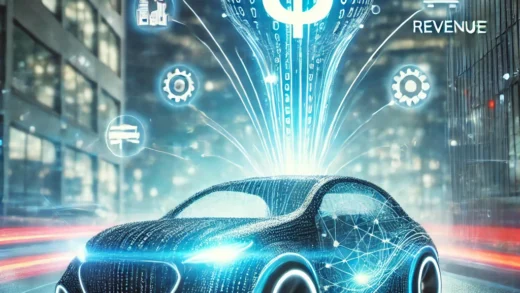
Electric vehicles are now symbols of progress—quiet, efficient, and a ticket to a greener future. In the US and Europe, policymakers, automakers, and drivers all embrace EVs as part of the fight against climate change. Yet hidden behind the gleam of clean mobility lies a harder truth. The batteries that make EVs possible depend on minerals like cobalt, lithium, and graphite, much of which comes from Africa.
The scramble to secure these resources is raising difficult ethical questions. Are we, in the race to build cleaner cars, repeating colonial-era patterns of extraction where the benefits flow north while the burdens remain south?

Africa’s Central Role in the EV Race
Africa sits on some of the world’s richest deposits of battery minerals. The Democratic Republic of Congo supplies about two-thirds of global cobalt. Zimbabwe and Namibia hold vast lithium reserves. Mozambique exports graphite, while South Africa has significant nickel resources. These materials are indispensable for the EV supply chain, powering everything from Tesla’s long-range batteries to Volkswagen’s gigafactories in Europe.
But Africa’s role has long been reduced to raw extraction. Minerals are shipped out in bulk, processed elsewhere, and then turned into high-value products abroad. African governments have grown increasingly frustrated by this imbalance. Zimbabwe has banned the export of raw lithium, while other countries are looking to build processing plants that can keep more jobs and profits at home. Their stance is clear: Africa no longer wants to be a quarry for the clean energy transition—it wants to be part of the industrial value chain.
The Hidden Costs of “Green” Minerals
Behind every EV battery lies a complicated human story. In the cobalt-rich DRC, artisanal miners, including children, dig by hand in unsafe conditions, often under the control of local militias. Coltan mining in parts of eastern Congo funds armed groups and fuels instability. In many communities, the environmental toll is also stark: polluted water sources, destroyed farmland, and deforestation.
For drivers in the US and Europe, the EV may symbolize sustainability. But for many in mining regions, the industry represents danger, displacement, and poverty wages. This contradiction makes it hard to claim that EVs are wholly “green” without deeper supply chain reform.
Pressure Mounts on the West
Civil society organizations and academics have warned US and European policymakers not to replicate exploitative colonial patterns. In the UK, campaigners recently urged the government to ensure its critical minerals strategy doesn’t exploit poorer countries. The European Union, meanwhile, faces criticism that its Critical Raw Materials Act focuses too much on securing supply and too little on ethical guarantees.
The US has taken a more partnership-based approach. Washington signed an agreement with the DRC and Zambia to co-develop battery supply chains, aiming to support not just mining but also processing and manufacturing in Africa. It’s a recognition that fairness matters, not only for ethics but for long-term stability of the EV transition.
Automakers Face Tough Questions
Car manufacturers know they cannot ignore where their minerals come from. Supply chain transparency is no longer optional. Companies like Mercedes-Benz have signed on to mining certification standards that track materials and encourage responsible practices. Ford and GM have struck long-term deals with suppliers who commit to traceability.
Yet many automakers still fall short. Amnesty International’s latest rankings show that several European and American EV producers lack robust human rights due diligence in their sourcing. For consumers increasingly attuned to sustainability, this gap is a reputational risk. Automakers that lead on ethical sourcing could win trust, while those that lag may face backlash.
Technology and Transparency
Part of the solution lies in innovation. Blockchain and digital traceability systems are being piloted to track minerals from mine to factory. Companies like Circulor and RCS Global are developing tools to give automakers real-time visibility into their supply chains. This could replace opaque paper trails with verified digital records, making it harder to hide exploitation.
At the same time, battery recycling is gaining momentum in Europe and the US. By recovering cobalt, lithium, and nickel from old batteries, recycling reduces reliance on newly mined minerals. It won’t eliminate mining, but it can ease pressure on vulnerable communities while building a more circular economy.
Africa’s Push for Value Addition
African leaders are no longer satisfied with simply exporting rocks. Reports suggest that refining lithium, cobalt, and nickel on the continent could cut costs for global producers by as much as 40 percent compared to overseas processing. Countries are forming regional partnerships to attract gigafactories and battery plants, aiming to create local jobs and industrial capacity.
For the US and Europe, supporting this shift could align clean energy goals with global equity. Investing in African processing and manufacturing is not charity—it’s a strategic hedge. It diversifies supply chains, reduces geopolitical risk, and helps ensure that the green transition doesn’t rest on exploitative foundations.
Final Thoughts: Avoiding a New Colonial Pattern
The EV boom is transforming global transport, but it cannot be called fully sustainable if it repeats old patterns of exploitation. The new colonialism would not come in the form of empire, but in the form of supply chains that extract Africa’s wealth without building local prosperity.
US and European automakers, along with policymakers, face a choice. They can continue business as usual, securing raw materials as cheaply as possible. Or they can embrace a different path—one that invests in fair partnerships, enforces transparency, and supports African nations in capturing more value from their resources.
For EVs to truly represent a better future, their supply chains must be as clean as their emissions. And that means looking beyond the showroom floor, all the way back to the mines of Africa, to ensure that the road to net zero is paved with justice as well as innovation.