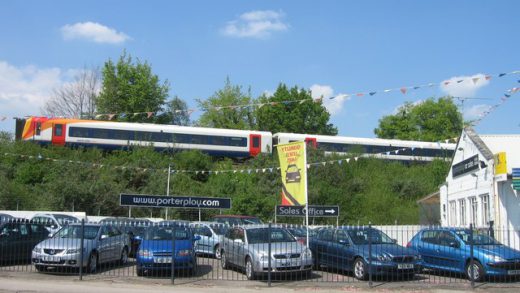
If you’ve been car shopping recently, you’ve probably noticed something puzzling. Some used cars seem to vanish from dealership lots within days, while others sit for months with a thin layer of dust on the hood. This naturally raises the question: is the U.S. used-car market cooling off, or does it simply mean those cars are priced wrong? Understanding what 3–6 months unsold really signals can save both buyers and sellers a lot of stress.

What’s Really Happening with Used-Car Inventory?
Across the U.S., the used-car market is not collapsing—it’s adjusting. The latest data shows that the overall supply of used vehicles is around a 43-day average, which is historically low for this time of year. In plain terms, most cars are still selling faster than dealers can replace them. That’s not exactly a “quiet” market.
The most affordable used cars, particularly those under $15,000, remain in especially short supply. Many buyers who are priced out of the new-car market are targeting these vehicles, which keeps demand strong. As a result, dealers have little reason to slash prices.
On the flip side, higher-end or niche models tend to linger longer. That doesn’t reflect a market crash—it’s more about the car itself. A quirky trim level, luxury sedan, or outdated model might not be on every buyer’s wish list, which explains why it could be sitting for months.
Why Some Cars Stay 3–6 Months Unsold?
When you see a vehicle sitting on a lot for 90 to 180 days, it doesn’t always mean the entire market is slowing. It’s often a sign of one of three things: pricing, demand, or presentation.
Sometimes a dealer sets the asking price too high, expecting to eventually meet the right buyer. In other cases, the car might be a less popular color, body style, or drivetrain. Even a small detail—like cloth seats instead of leather—can affect how quickly it sells.
Another factor is geography. A used SUV with all-wheel drive will fly off the lot in snowy states but might sit for months in warm, urban areas. Similarly, a pickup truck in excellent condition could sell quickly in Texas but take longer in downtown Boston. The local market matters as much as national averages.
Days on Lot: Warning Sign or Just Market Reality?
Industry watchers measure used-car health in “days on lot.” Right now, the average sits near 38 days—slower than the peak frenzy of a few years ago but still much quicker than historical norms. When a car has been around for 3–6 months, that’s well above the average.
In those cases, buyers should view the extra time as leverage. A car sitting too long often signals the dealer may be willing to negotiate. For sellers, it’s a cue to rethink pricing strategy or recondition the car to attract fresh eyes.
So yes, months of unsold time is a red flag—but usually about that individual car, not the entire U.S. used-car market.
Why Prices Aren’t Crashing?
Despite headlines about markets “slowing,” used-car prices are not falling off a cliff. In fact, they remain surprisingly firm. There are two big reasons why.
First, supply of late-model used cars is still thin. Lease returns, which used to flood the market with nearly new cars, are way down. Many consumers who leased cars during the pandemic decided to buy them outright rather than return them, shrinking the pool of vehicles now available.
Second, uncertainty in the new-car market is driving more people to used cars. With tariffs, higher sticker prices, and limited discounts, buyers are increasingly turning to slightly older vehicles for savings. This keeps demand strong, even as some cars take longer to sell.
The result? Average prices for a three-year-old used vehicle remain above \$30,000, a clear sign that the market isn’t collapsing—it’s stabilizing.
For Buyers: What This Means
If you’re hunting for a used car, don’t assume a car that’s been sitting for months is automatically a bad choice. Instead, use it as a chance to dig deeper. Ask why it hasn’t sold, check the vehicle history report, and inspect it carefully. If it’s simply overpriced, you may have room to negotiate.
Keep in mind that competition is still tough, especially for affordable models. If you’re targeting a price range under $20,000, expect to move quickly or expand your search radius to find the best deals.
For Sellers and Dealers: Lessons from the Lot
On the selling side, a car that lingers for months isn’t proof that the market is dead—it’s usually a sign to adjust. Competitive pricing, fresh photos, and minor reconditioning can make all the difference. Dealers especially should remember that buyers are more informed than ever. With online listings showing how long a car has been available, transparency and fair pricing are essential.
Reading the Market Like a Pro
So, is the U.S. used-car market “quieting down”? The answer is more nuanced. Overall demand is steady, supply remains tight, and prices are holding firm. The market is not crashing—it’s normalizing. But when a single vehicle sits for 3–6 months unsold, that’s a red flag worth reading carefully.
For buyers, it’s an opportunity to negotiate. For sellers, it’s a sign to rethink strategy. And for everyone watching the market, it’s a reminder that while broad trends matter, individual cars still tell their own story.