Electric vehicles (EVs) are becoming a cornerstone of global efforts to reduce carbon emissions and combat climate change. However, as EV adoption surges, so does the demand for sustainable solutions to manage the batteries that power them. In Europe, the issue of EV battery recycling and disposal is front and center, with policymakers, automakers, and environmental advocates working together to create a circular economy for these critical components.
The Challenge of EV Battery Recycling
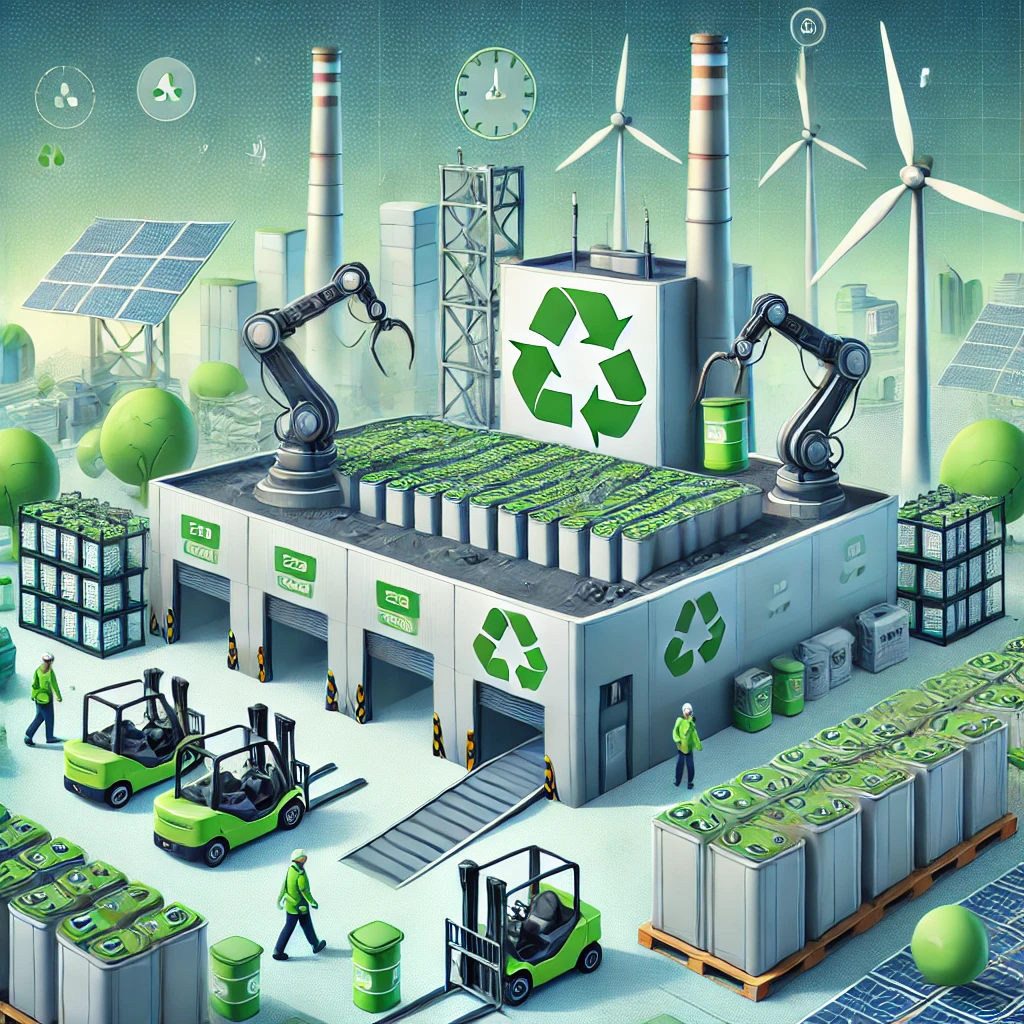
EV batteries are complex pieces of technology, primarily made up of lithium, cobalt, nickel, and other rare materials. While these batteries have a long lifespan, they eventually reach the end of their life cycle, presenting a challenge: how to responsibly recycle or repurpose them. Simply discarding these batteries is not an option. Improper disposal can lead to significant environmental harm, including soil and water contamination.
Recognizing this challenge, Europe has taken proactive steps to address EV battery recycling. The continent’s approach is built on the principles of sustainability, resource efficiency, and technological innovation. From setting strict recycling regulations to investing in advanced recycling technologies, Europe is striving to create a system that minimizes waste and maximizes the reuse of valuable materials.
Regulations Driving Change
One of the driving forces behind Europe’s progress in EV battery recycling is its robust regulatory framework. The European Union has implemented comprehensive rules that place responsibility on automakers and battery manufacturers to ensure proper end-of-life battery management. These regulations require companies to collect used batteries, recycle them efficiently, and minimize environmental impact.
By mandating high recycling targets for materials like lithium and cobalt, Europe is not only reducing waste but also reducing dependency on raw material imports. This approach strengthens the continent’s supply chain resilience while aligning with broader sustainability goals. For consumers, this means peace of mind knowing that their EVs are contributing to a greener future, even after they’re no longer on the road.
Innovative Recycling Technologies
Europe’s commitment to innovation is playing a key role in advancing EV battery recycling. Companies and research institutions are developing cutting-edge technologies to extract valuable materials from used batteries with greater efficiency. These processes ensure that materials like lithium and cobalt can be reused in the production of new batteries, reducing the need for mining and conserving natural resources.
Hydrometallurgical and pyrometallurgical methods are among the most promising recycling technologies being explored. Hydrometallurgical processes involve using chemical solutions to separate and recover metals, while pyrometallurgical methods use heat to achieve the same goal. Both techniques are helping Europe make strides toward creating a closed-loop system for EV batteries, where materials are continuously recycled and reused.
Second Life for Batteries
Recycling isn’t the only solution to managing EV batteries. Europe is also pioneering efforts to give batteries a second life. Once an EV battery’s capacity drops below a certain level, it may no longer be suitable for vehicle use but can still serve other purposes. For example, these batteries can be repurposed for energy storage in homes, businesses, and renewable energy systems.
Repurposing EV batteries for energy storage not only extends their lifespan but also supports Europe’s transition to renewable energy. By integrating used batteries into solar and wind energy projects, the continent is finding innovative ways to make the most of these valuable resources.
Collaborative Efforts Across Industries
Addressing the challenge of EV battery recycling and disposal requires collaboration across industries. Automakers, recycling companies, and governments in Europe are working together to develop efficient collection and recycling systems. Many automakers have also launched take-back programs, making it easier for consumers to return their used batteries and ensure they are handled responsibly.
Partnerships between automakers and recycling companies are driving innovation and creating economies of scale, making recycling more cost-effective and accessible. These collaborative efforts reflect Europe’s holistic approach to solving environmental challenges, where every stakeholder plays a role in building a sustainable future.
Lessons for the United States
As Europe leads the way in EV battery recycling, there are valuable lessons for the United States. While EV adoption in the US continues to grow, battery recycling infrastructure is still in its early stages. Europe’s regulatory framework, focus on innovation, and collaborative efforts offer a blueprint for creating a sustainable battery recycling system in the US.
The benefits of learning from Europe’s approach are clear: reduced environmental impact, enhanced resource efficiency, and a stronger EV industry. By adopting similar strategies, the US can accelerate its transition to electric mobility while addressing the environmental challenges associated with battery disposal.
A Sustainable Future
Europe’s response to EV battery recycling and disposal is a testament to the continent’s commitment to sustainability and innovation. By implementing strict regulations, investing in advanced technologies, and exploring second-life applications, Europe is setting a global standard for managing EV batteries responsibly.
For consumers and industry stakeholders alike, these efforts represent a significant step toward a greener and more sustainable future. As the world continues to embrace electric vehicles, Europe’s leadership in battery recycling offers a promising path forward, ensuring that the transition to electric mobility is not only clean but also circular.
Through collaboration and innovation, Europe is proving that the challenges of EV battery recycling can be met head-on, paving the way for a brighter and more sustainable tomorrow.